
Garden Experts’ Guide on How to Grow Lettuce In Pennsylvania
July 30, 2025
There’s something so satisfying about harvesting your own salad, especially when it starts with crisp, homegrown lettuce. Whether you’re topping sandwiches or tossing a fresh bowl for dinner, this garden staple is easier to grow than you think. Here’s how to grow lettuce right at home and bring a bit of backyard freshness to every meal.
Types of Lettuce to Grow
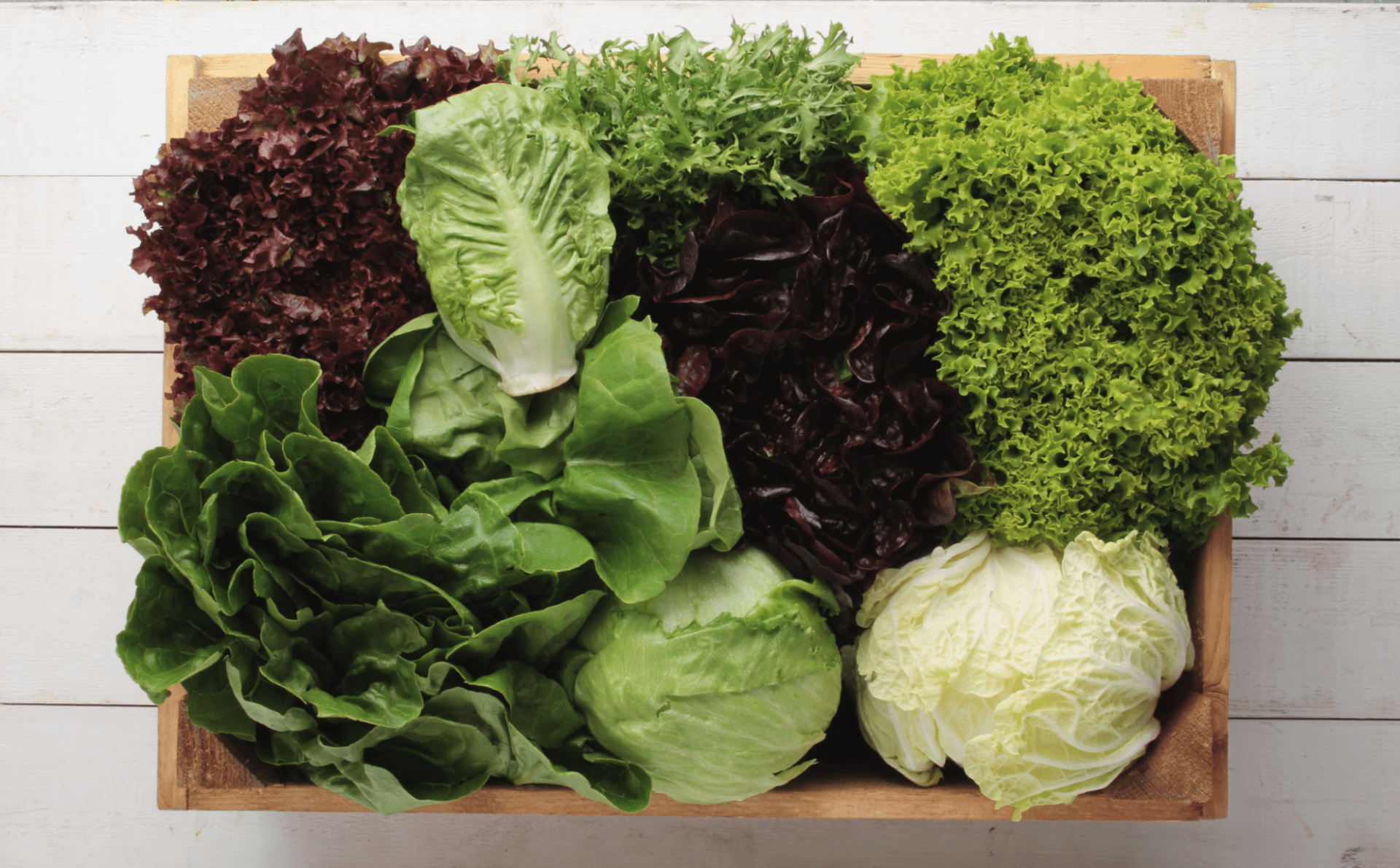
Here are four main types of lettuce to grow at home. These categories each have specific varieties beneath them.
| Crisphead/Iceberg | 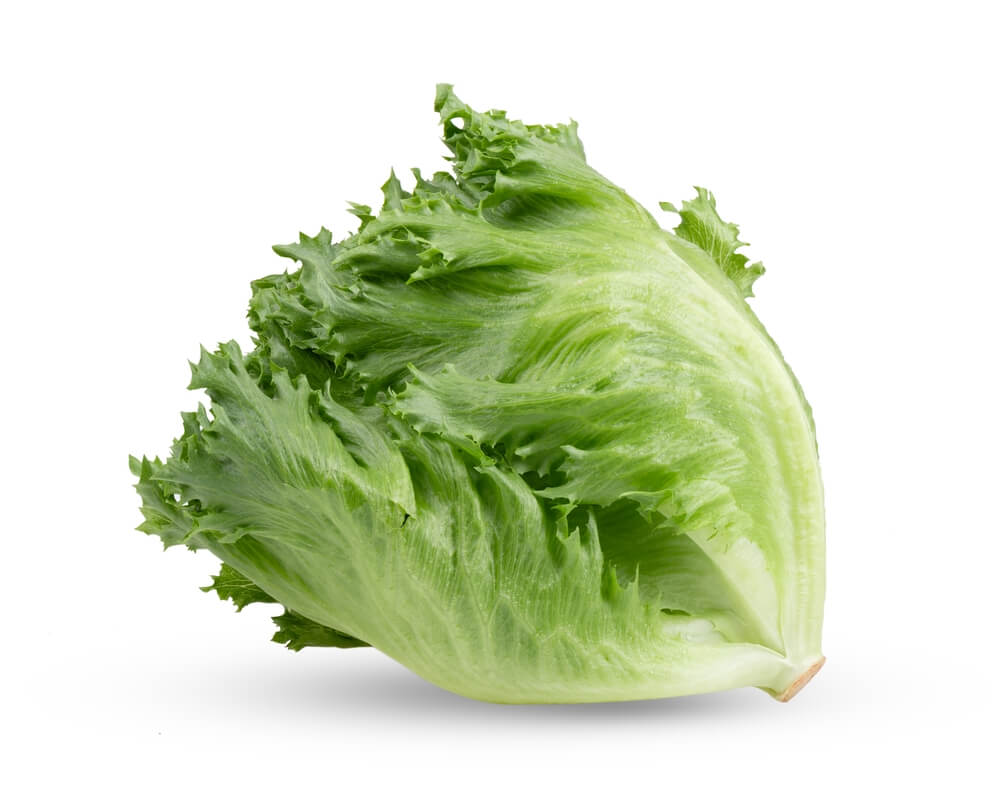 | • Round head with pale leaves • Mild flavor • Crisp, watery texture • Used in chopped or wedge salads and subs | Matures in 70–80 days |
| Butterhead | 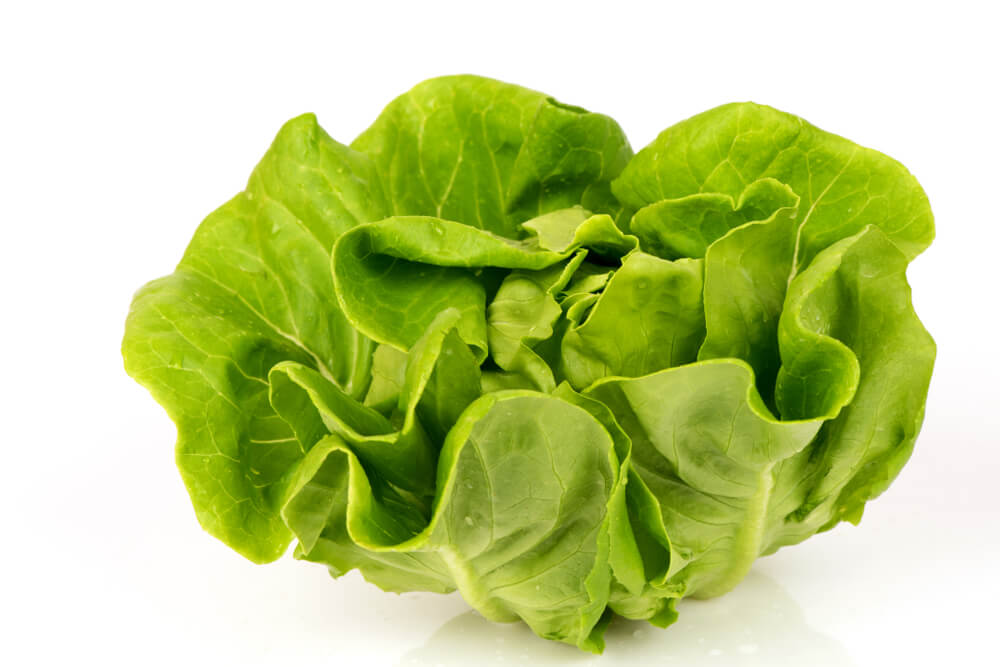 | • Soft, smooth leaves • Includes Bibb and Boston varieties • Heat-resistant • Used in lettuce wraps and sandwiches | Matures in 55–75 days |
| Romaine | 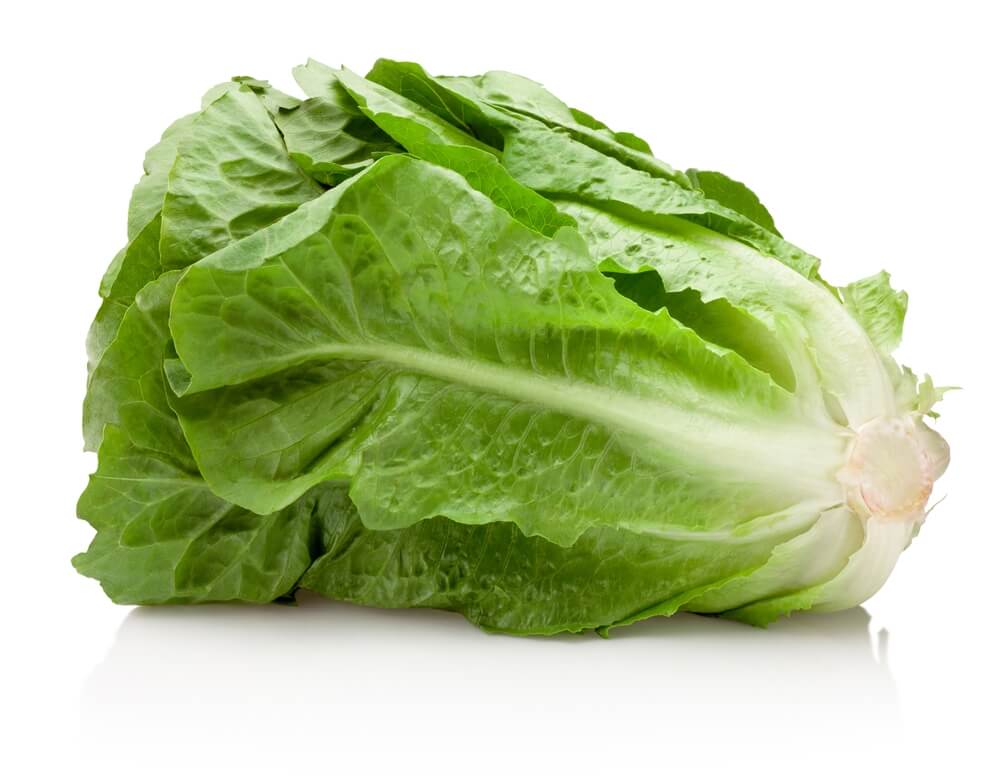 | • Long, upright leaves • Crunchy texture • Used in Caesar salads | Matures in 70 days |
| Looseleaf | 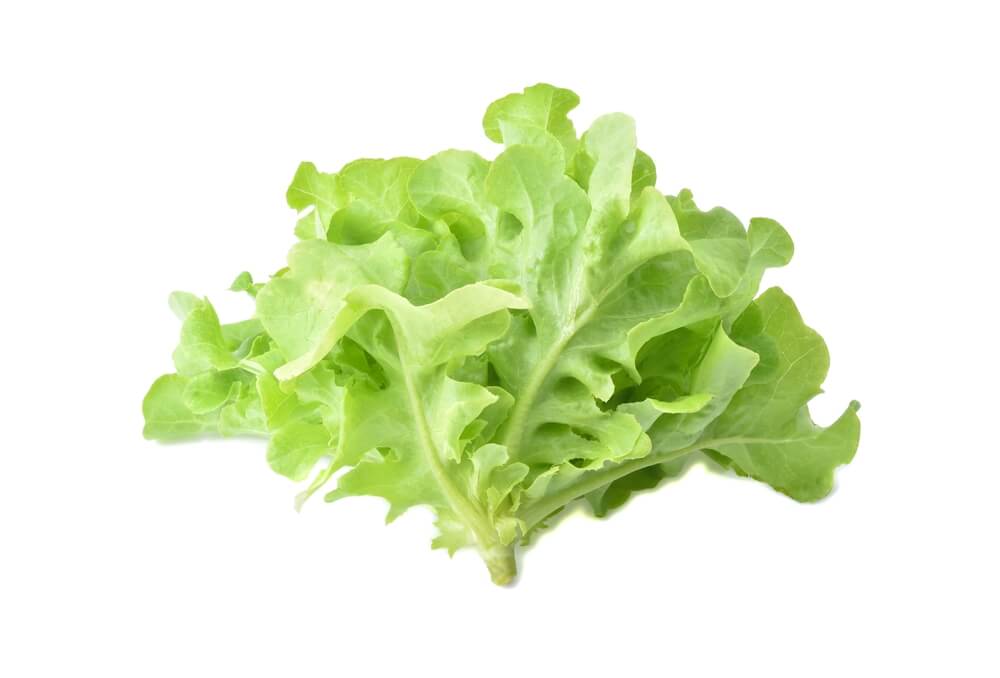 | • Doesn’t form a head • Includes red and green leaf varieties • Mild flavor • Used in salads and sandwiches | Matures in 40–45 days |
Of these types, the easiest lettuce to grow is looseleaf. It matures quickly and can tolerate temperature changes and various growing conditions better than head lettuce. Romaine is also a strong choice for beginners.
Growing Lettuce From Seed vs Starter Plant
To learn how to grow lettuce, you’ll need to understand the two ways to begin: seed vs starter plant. There is no right or wrong way to plant lettuce, but growing from seed will require a bit more time and effort.
Seeds
Start by sowing your lettuce seeds in rows, keeping in mind the type of lettuce you are planting and the amount of space it needs (more on that below). If you are growing several varieties, you may want to place markers in the soil so you know exactly where each type has been planted.
Cover the seeds with a thin layer of soil, making sure you do not sow them too deeply. You still want sunlight to reach them for germination. You can also consider planting your seeds in small pots or even egg cartons indoors to prevent them from drowning in rainwater while they germinate.
Growing lettuce from seed takes about six to eight weeks, depending on the variety.
Starter Plants
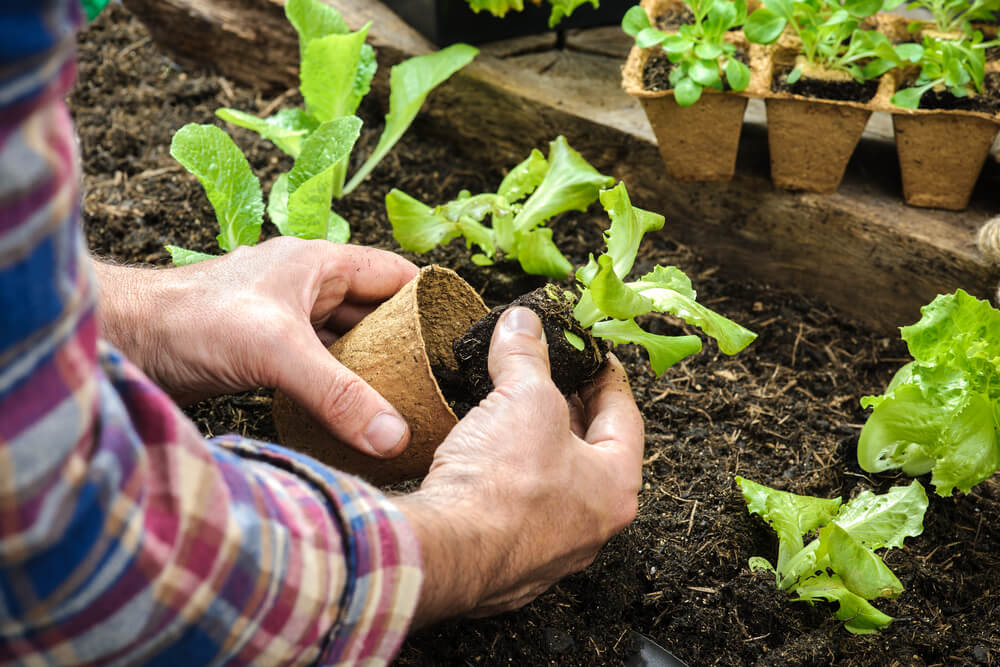
Lettuce starter plants are widely available at most greenhouses and nurseries in the spring and fall. Whether you’re planting lettuce from a store-bought starter plant or transplanting your seedlings from indoors, the same rules apply. Keep in mind the distance between each plant, as well as the sun exposure.
Growing lettuce from a starter plant takes about four to eight weeks, depending on the variety.
When to Grow Lettuce
A successful lettuce harvest starts with good timing.
Lettuce is known as a spring and fall crop, so you can begin growing most varieties early in the season. This veggie grows best between 60 and 65 degrees Fahrenheit, and it’s sensitive to extreme heat and cold.
We recommend you begin growing your spring lettuce after the last frost has melted and your soil has thawed. For a fall harvest, plant about six to eight weeks before the first expected frost.
In Pennsylvania, the first frost is typically in late October, so plant in late August or early September. However, germination may be challenging in the heat of the summer. To work around this, we recommend starting your seeds indoors before transplanting to avoid heat stress.
You’ll know the seedlings are ready to be transplanted when they are a few inches tall, have one or two sets of true leaves, and the roots are filling their container. This is usually three to four weeks after sowing.
If you want to know when to grow lettuce for the best flavor, we recommend the fall! The cooler temperatures usually produce sweeter leaves.
Succession Planting
How to grow lettuce is pretty simple, but if you want to harvest continuously, you should consider succession planting. Rather than planting your lettuce all at one time, begin planting in April and sow new seeds (or starter plants) every 10 to 14 days so you always have something to harvest.
Just be sure to stop planting at least one month before hot summer temperatures begin, to prevent bolting and bitterness. You can follow this same process in the late summer/early fall to have a continuous harvest until the temperatures drop.
Where to Plant Lettuce
Another major factor of a strong lettuce crop is knowing where to plant it. Lettuce grows best in loose, cool soil with good drainage. But there are a few other elements to keep in mind when choosing where to plant it. Check out these frequently asked questions about growing lettuce in your backyard.
How Much Sun Does Lettuce Need?
Most lettuce varieties enjoy full sunlight. For the best turnout, make sure you plant your lettuce in an area that receives approximately six to eight hours of bright sunlight each day. Some varieties (like looseleaf) can also be grown in partial shade, receiving four to six hours a day.
If you are planting lettuce when temperatures are getting hotter, make sure you provide some shade to prevent the plants from overheating. We recommend a shade cloth that you use to cover your crops on particularly hot days to extend the harvest and keep them from bolting.
How Much Space Does Lettuce Need to Grow?
If you’re planting lettuce in a garden, spacing your crops correctly is key. Larger heads of lettuce should be planted about 10 to 12 inches apart. Baby lettuce can be planted six to eight inches apart. While lettuce plants have shallow roots, they still prefer a soil depth of eight to twelve inches. This helps with drainage and allows the roots to spread out.
Can You Grow Lettuce Inside?
Lettuce can be grown in the ground or in raised beds. But if you don’t have a backyard garden, don’t sweat it. You can also grow lettuce inside, as long as it gets enough sun. We recommend placing it near a south-facing window so it can get a full day of bright sunlight.
Growing lettuce in containers is easy because of their shallow root system. Just choose a container that is at least eight inches deep and has drainage holes. You can use window boxes, pots, fabric planters, or baskets. Growing lettuce in containers usually requires more watering than your garden beds, so don’t forget to give them a splash.
Care and Maintenance Tips
Once you’ve mastered how to grow lettuce, you need to know how to care for it. Here are a few guidelines on the best growing conditions for lettuce to keep it healthy and thriving.
Watering
When watering your lettuce, keep it light and consistent. For the first two weeks after planting, water it lightly every single day. After that, you can start watering your lettuce less—twice a week or every four to five days, depending on the temperature and shade level. If you’re not sure, check the top inch of soil. When it’s dry, it’s time to water!
Our gardening experts recommend watering your lettuce in the early mornings or late afternoons, so that the midday sun doesn’t evaporate the water before it soaks into the soil.
Fertilizing
Lettuce thrives in nutrient-rich soil. Once the lettuce seedlings emerge, you can add fertilizer to maximize leaf production. Lettuce plants mature quickly, so typically only one dose of fertilizer is needed.
Choose a well-balanced fertilizer (equal parts nitrogen, potassium, and phosphate). If you opt for a granular fertilizer, look for 10-10-10 or 5-5-5 mixtures. These numbers represent the amount of nitrogen, potassium, and phosphate in the fertilizer.
Not sure what fertilizer to choose?
Mulching
Lettuce, especially when you’re starting from seed, needs to stay moist. The best way to do that is by adding a few inches of organic mulch around your plants. You can use grass clippings, compost, or something similar. This is key when learning how to grow lettuce, especially in the summer heat. To keep it from drying out, apply mulch between the rows and around your plants, being careful not to crowd the base or cover any leaves.
Preventing Pests
One of the most common pests for lettuce plants are aphids—tiny creatures that hide on the underside of leaves. Aphids can cause molding and disease by sucking the water and nutrients from your plant, causing them to turn yellow or wilt. They typically feed in groups and prefer young leaves.
There isn’t a systemic insecticide that prevents aphids, which means the best way to repel them is by using natural predators (such as lady beetles) or applying a horticulture soap or neem oil.
Harvesting Lettuce
Now that you’ve learned how to grow lettuce and care for it, you are ready to finally reap the rewards of your hard work. With these harvesting tips, you’ll be able to enjoy your home-grown lettuce in countless recipes.
Choosing when to harvest your lettuce is up to you. Each variety has a different growing season length, but most are mature within 40 to 70 days.
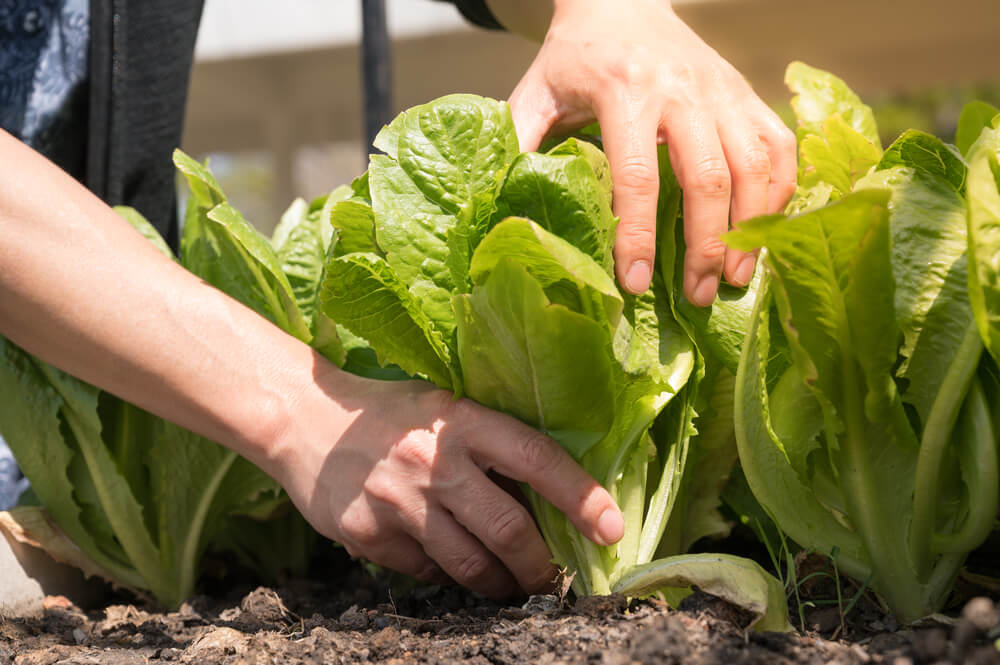
Lettuce grows from the center. You can harvest the entire head by slicing it off about an inch above the soil. However, we don’t recommend that, especially if you are curious about how to harvest leaf lettuce so it keeps growing. Cutting off the entire head stops its growth, so you won’t get as many leaves out of the plant.
Instead, harvest the large, outer leaves from all your plants. You can use scissors or pinch them off with your fingers. Leave the central, small leaves intact so the plant can keep growing and producing more greens.
Once you’ve harvested your lettuce, store and clean it properly to ensure it stays fresh and healthy for as long as possible. Now it’s time to eat it! Use your home-grown lettuce in salads, grain bowls, sandwiches, and beyond.
Summary: Best Growing Conditions for Lettuce
- Soil: loose, cool, good drainage
- Spacing: 10 to 12 inches apart
- Sunlight: six to eight hours, direct light
- Container: medium-sized with drainage holes
- Location: indoors or outdoors
- Water: twice a week (or when the top inch of soil is dry)
- Fertilizer: one dose, well-balanced
- Mulch: a few inches of organic mulch
- Temperature: 60 to 65 degrees Fahrenheit
- Timing: plant in early spring or early fall
- Harvesting: pick outer leaves so the plant keeps growing
More FAQs About How to Grow Lettuce
Does lettuce grow back every year?
No, lettuce does not grow back every year. It’s an annual, meaning it completes its growing cycle in one year. After you’re done harvesting for the season, they need to be replanted. However, if you use the harvesting method described above, you will be able to enjoy fresh lettuce over and over until the growing season ends.
Can spinach and lettuce grow together?
Yes, spinach and lettuce can grow together! In fact, they are ideal companion plants because spinach has similar growing needs and you can always find space for it. They both enjoy cool weather and well-draining soil. If you know how to grow lettuce, you know how to grow spinach!
Why are my lettuce leaves turning brown?
One reason your leaves could be turning brown is tipburn, a prevalent disease in lettuce where the leaves begin to curl and darken. This happens because of inconsistent moisture or excessive heat. Just trim the brown pieces and begin a consistent watering schedule to prevent tipburn from spreading. Also, consider adding a shade cloth to block the sun on hot days.
Why is my lettuce bolting?
Warm temperatures can cause your lettuce to “bolt.” This is when it grows a flower stalk and begins producing seeds. It’s a natural part of the plant’s reproductive cycle. However, it can impact the taste of your lettuce, turning it bitter and limiting leaf production. If you notice bolting, try to harvest the leaves before they become too bitter.
To avoid this, don’t plant too late in the summer. Water your lettuce consistently, mulch to retain moisture, and provide shade for the crops.
Why does my lettuce taste bitter?
Like we mentioned above, if your lettuce gets too hot, it can bolt and become bitter. Lack of water can also cause bitterness, so make sure you’re watering your plants and not letting the soil get too dry. Lastly, you may have a nutrient deficiency. Lettuce grows quickly, but a lack of nutrients can stunt its growth and flavor. This is where fertilizer comes in to help provide the nutrients it needs to thrive.
Get your own locally-grown lettuce and other fresh produce today at your nearest Stauffers of Kissel Hill.