
Best Matcha Powder and Recipes You Need This Summer
July 23, 2026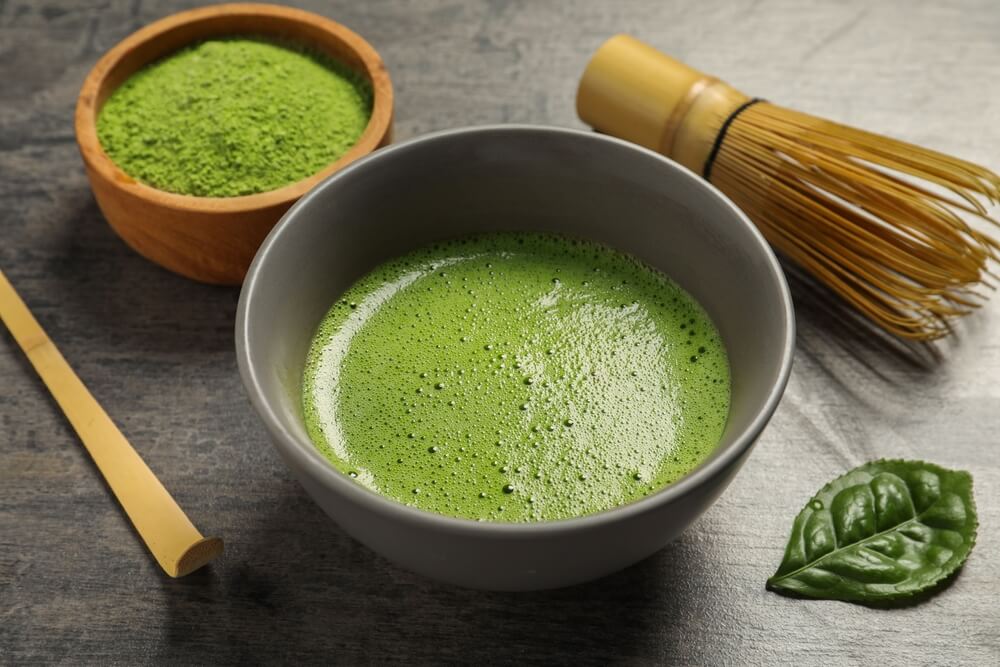
If your morning looks anything like ours, it starts by snoozing your alarm too many times, followed by some caffeine. Coffee is a classic choice, but if you want to change it up, matcha is the way to go. It’s an acquired taste for some, but here at Stauffers, we love it! That’s why we’re sharing the best matcha powder and recipes that you can make this summer.
What You Need to Know About Matcha
Matcha is a type of Japanese green tea. It’s made from finely ground, shade-grown green tea leaves. Farmers grow the plant in the shade to boost amino acid and chlorophyll levels, which give the leaves their iconic color.
Regular green tea is steeped, but with matcha, the entire leaf is ground up and consumed as a powder, providing more health benefits.
What Does Matcha Taste Like?
Matcha has an earthy, grass-like flavor. Some people don’t like its distinct taste, but matcha lovers like us know that the grassier it is, the better!
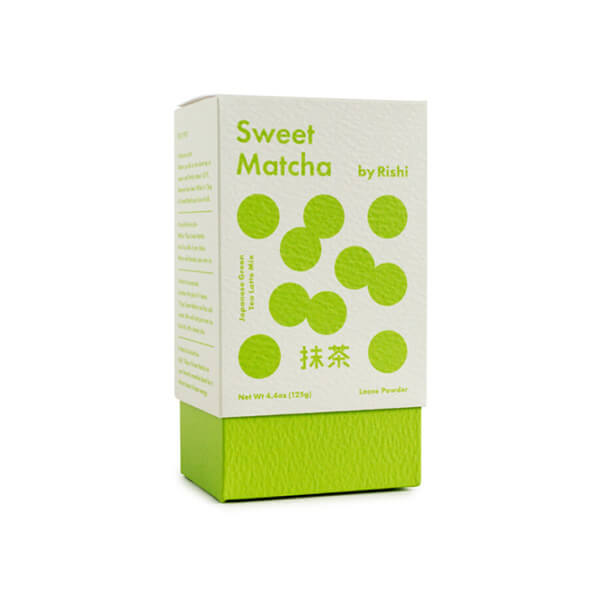
Some matcha powders come with built-in sweeteners or flavors, such as vanilla or lavender. Those are good options for beginners who are still getting used to the natural matcha flavor. However, die-hards like us prefer standard matcha powder.
Are There Matcha Benefits?
Yes, drinking matcha has several major benefits!
- Matcha is full of antioxidants called catechins, which can help lower inflammation, protect your cells, and improve heart health.
- It’s also packed with an amino acid called L-theanine that helps you focus without the coffee crash afterwards.
- Matcha may improve brain function and reaction time.
Does Matcha Have Caffeine?
Yes, matcha has caffeine. A standard one-teaspoon serving of matcha contains anywhere from 60–70 mg of caffeine. This is about the same as a single shot of espresso. That is less than a standard 8-oz cup of coffee but more than a cup of steeped green tea. This makes matcha a great in-between option for those who want a little boost without the coffee jitters.
Types of Matcha
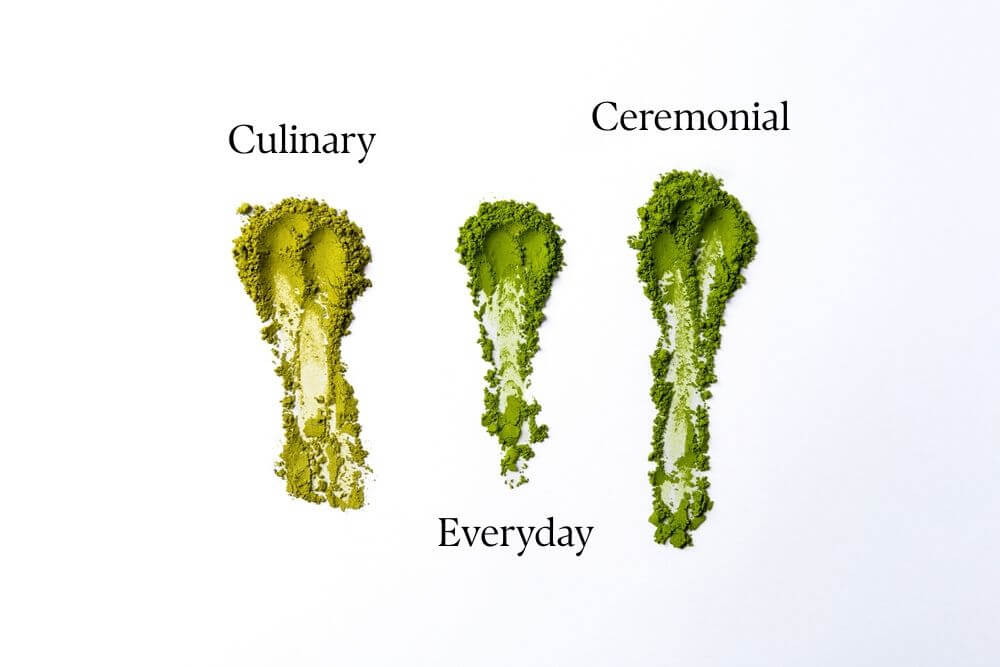
The best matcha powder and recipes depend on what you want to make and your taste preferences! There are three types of matcha: ceremonial grade, everyday grade, and culinary grade.
Ceremonial Grade Matcha
Ceremonial grade matcha is the highest-quality option. It’s made from the first harvest of green tea leaves and is meant for drinking plain with water, without any additional milk or sweeteners. There are different types of ceremonial grade matcha for different uses, but this powder is what’s used in traditional Japanese tea ceremonies.
Because it’s the highest quality, it’s usually the most expensive. So don’t try to buy it in bulk! Your wallet might take a while to recover. Plus, the subtle flavor of ceremonial grade matcha will get lost when added to a baked good. It has a higher amount of L-theanine and caffeine than the other types of matcha, and it’s a deeper, richer shade of green due to a higher chlorophyll content.
Everyday Grade Matcha
Everyday grade matcha—also called daily, premium, or traditional grade—is the second highest quality option. It has a balanced, bolder matcha flavor that’s not too bitter or too sweet. This powder is perfect for lattes, lemonades, smoothies, and more. It’s usually made from a blend of first and second harvest leaves.
You can spot this matcha by its brighter shade of green. It’s less expensive than ceremonial matcha and has less caffeine, making it the most versatile option.
Culinary Grade Matcha
Culinary matcha is the lowest grade, made from late harvest leaves. It’s the best matcha powder for cooking and baking. You can drink it, but the flavor might not be what you’re used to from your local coffee shop.
It has a duller, yellow-green color and a stronger, more bitter taste that will stand out when added to sugary baked goods. Culinary matcha is the cheapest option since it’s meant to be bought in bulk for baking.
- Best matcha powder for beginners: everyday or sweetened matcha
- Best matcha powder for drinking straight: ceremonial grade matcha
- Best matcha powder for lattes: everyday matcha
- Best matcha powder for cooking: culinary grade matcha
Find Your Perfect Match
| Grade | Best Use | Flavor | Color |
| Ceremonial Grade Matcha | Whisked straight with hot water | Naturally sweet with no bitterness | Deeper green |
| Everyday Grade Matcha | Iced or hot lattes and other drinks | Bold and balanced flavor that cuts through milk | Brighter green |
| Culinary Grade Matcha | Baked goods and smoothies | Strong, earthy green tea punch | Muted, yellow-green |
How to Prepare Matcha
Now that you know the best matcha powder and recipes they go with, it’s time to learn how to prepare matcha. It starts with the right supplies. You’ll need a bowl, a bamboo whisk, and a sifter.
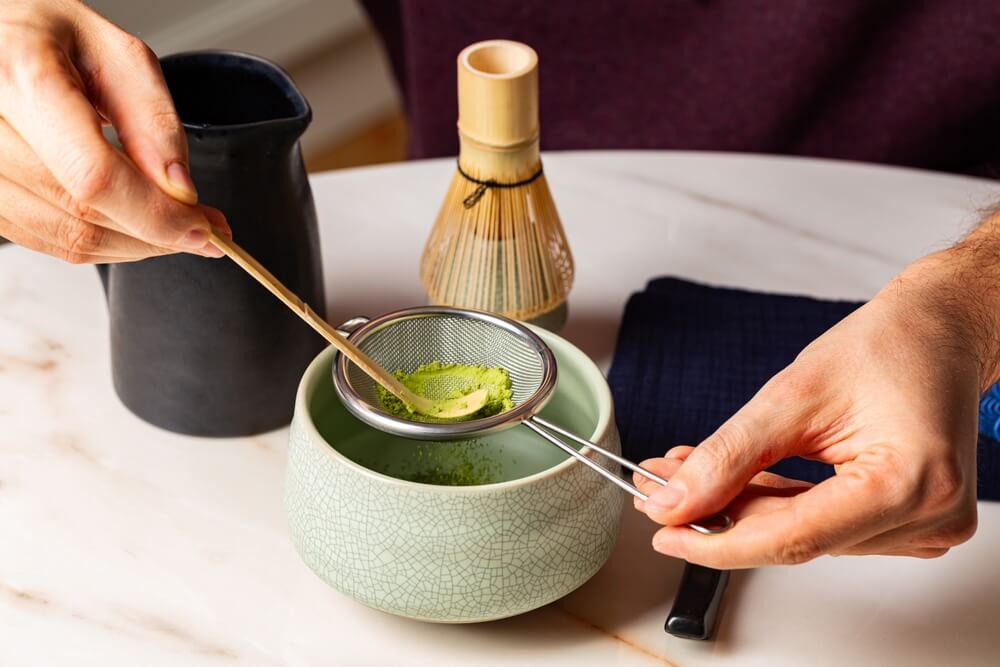
- Heat your water to 165°F.
- Pour a bit of hot water into your bowl and soak your bamboo whisk for about 30 seconds (this softens the prongs for whisking).
- Empty and dry the bowl.
- Sift 1 teaspoon (2 grams) of matcha powder into your dried bowl, pushing it through the sieve to remove clumps.
- Add about 70 mL of hot water (more or less to taste). The more water you add, the weaker the matcha taste will be and the harder it will be to produce good foam.
- Vigorously whisk the matcha and water together in a zig-zag motion like the letter M. Do this for 15–30 seconds until foam starts to form.
- Drink straight, or pour into a cup with milk for a matcha latte!
Stauffers Pro Tip: Is your matcha too foamy? After your first round of whisking, bring your whisk to the surface and slowly break up those larger bubbles for a smoother finish.
Matcha Recipes
Add a little green tea goodness to your life with the best matcha powder and recipes for different drinks and treats.
But first, let’s start with the basics. What are the best flavors to pair with matcha? Good flavors with matcha include anything fruity or floral. We also love coconut, white chocolate, vanilla, coffee, and—if you’re feeling adventurous—black sesame.
Matcha is the perfect addition to your everyday favorites like smoothies, lemonades, overnight oats, cookies, and yogurt bars. With this in mind, let’s dive into the matcha recipes!
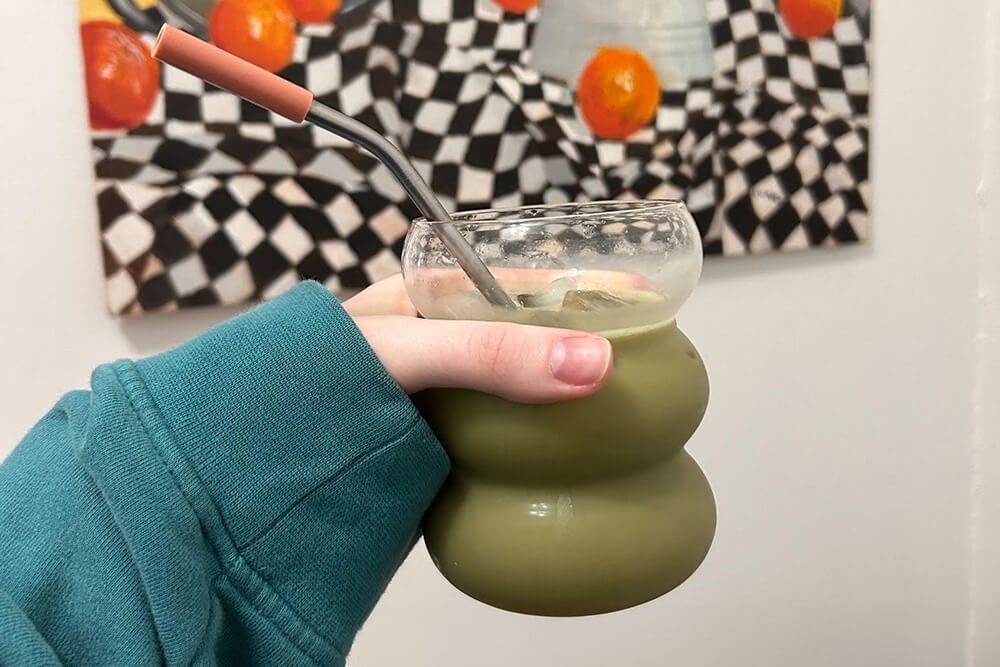
Iced Blackberry Matcha Latte Recipe
This is the perfect summer pick-me-up drink! It’s a little fruity, a little earthy, and perfectly creamy. And it’s completely customizable to your taste! If blackberries aren’t your thing, you can pick another fruit like strawberries, raspberries, and even mangos. Store your homemade syrup in an airtight container in the fridge for up to two weeks or freeze it for up to six months.
Ingredients:
For the syrup
- • 1 container of blackberries (or the fruit of your choice)
- • 1 cup of water
- • 1 cup of sugar
For the matcha
- • 1 tsp of everyday matcha powder
- • 70 mL of hot water
- • 6 oz of milk of your choice
Steps:
- • Add 1 cup of water and 1 cup of sugar to a saucepan over medium heat. Stir until sugar has dissolved.
- • Add blackberries and let them simmer for a few minutes to soften.
- • Mash the blackberries into the pan.
- • Remove from heat and pour through a strainer into a separate container.
- • Make your matcha using the steps outlined above.
- • Pour about 1 oz of blackberry syrup into the bottom of a glass.
- • Add ice cubes and 6 oz of the milk of your choice.
- • Top with your matcha, give it a stir, and enjoy!
Stauffers Pro Tip: Add even more fun with a flavored milk! We recommend strawberry milk, vanilla oat milk, coconut milk, or even chocolate milk.
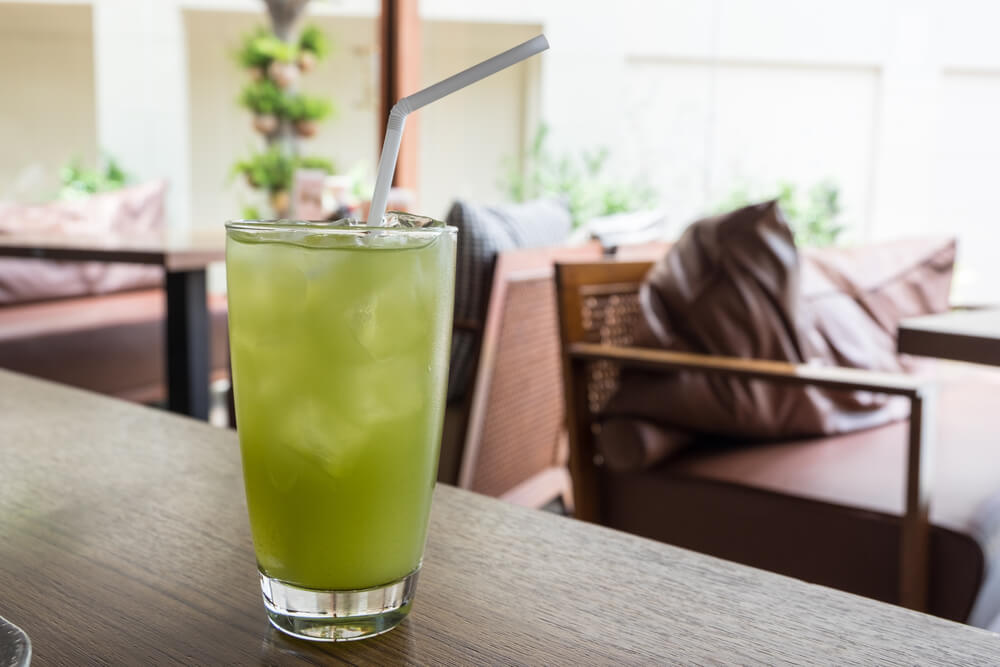
Matcha Lemonade Recipe
Nothing beats a glass of lemonade in the summer… except for a glass of matcha lemonade! It’s refreshing, delicious, and oh, so sweet. Make this for your next backyard BBQ, beach day, or girls’ night.
Ingredients:
For the lemonade
- • 1 cup of freshly-squeezed lemon juice
- • 1 cup of sugar
- • 3+ cups of water (more or less to taste)
For the matcha
- • 1 tsp of everyday matcha powder per serving
- • 70 mL of hot water per serving
Steps:
- • Juice lemons until you have 1 cup.
- • On the stove, combine 1 cup of sugar and 1 cup of water over medium heat. Stir until sugar has dissolved to create your simple syrup. Remove from heat.
- • Pour your lemon juice and simple syrup into a pitcher.
- • Add cold water in 1 cup increments until desired taste.
- • Prepare your matcha using the steps above.
- • Pour your lemonade into a glass, top with your matcha, and enjoy!
Stauffers Pro Tip: Use sparkling water for a fizzy finish, or mash fruit into your simple syrup for an elevated matcha lemonade.
More Matcha Recipes
The fun doesn’t end here! You can do so much more with matcha, from breakfast bites to dessert delicacies. Explore some of our favorite recipes below using matcha you can buy at your local Stauffers Fresh Foods store.
- Matcha Oreos
- Whipped matcha butter
- Matcha popsicles
- Matcha smoothie
- Lavender matcha fizz
- Matcha donut glaze
FAQs About the Best Matcha Powder and Recipes
Is matcha healthier than coffee?
Yes, overall matcha is healthier than coffee because it’s rich in amino acids, antioxidants, and EGCG. Both drinks offer a boost of energy, but matcha does so without the jitters and crash afterwards.
Where to buy matcha powder?
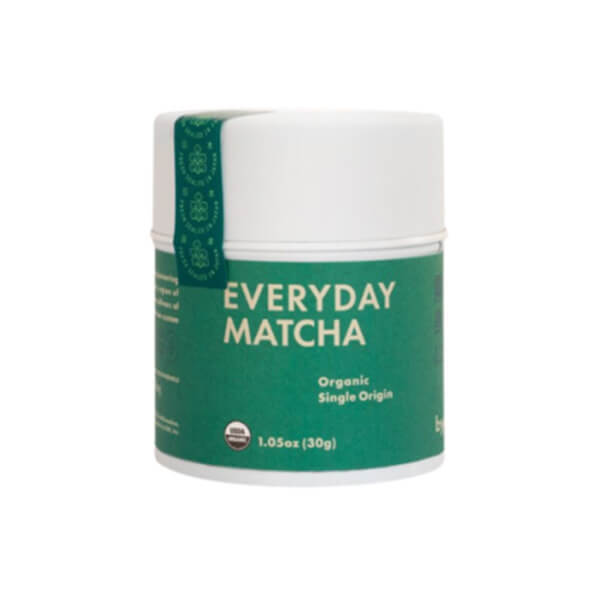
You can buy matcha powder online or at your local grocery store. Stauffers of Kissel Hill offers everyday matcha and sweet matcha for all your summer drink needs. We have Fresh Foods grocery stores in Lititz, Rohrerstown, and Mount Joy, PA!
Does matcha expire?
Matcha doesn’t expire like a carton of milk. However, over time it will lose its color, scent, and balanced taste as it’s exposed to oxygen. An unopened can of matcha can last for one to two years, but once opened, try to use it within 90 days. Stale matcha is safe to drink, but it might have a more bitter taste.
What are good matcha desserts?
Use culinary grade matcha to make any of the following matcha desserts!
- Matcha cookies
- Matcha tiramisu
- Matcha fudge
- Matcha-covered strawberries
- Matcha white chocolate bark
- Matcha yogurt bars
- Matcha cheesecake
- Matcha pudding
- Matcha macarons
It’s a Matcha Made in Heaven
Visit a store or shop online to find all your matcha must-haves! And don’t forget to subscribe to our newsletter for weekly deals and flyers to save money on your next grocery run.