
The Best Fall Foliage Trees & Shrubs for an Unforgettable Yard
September 02, 2025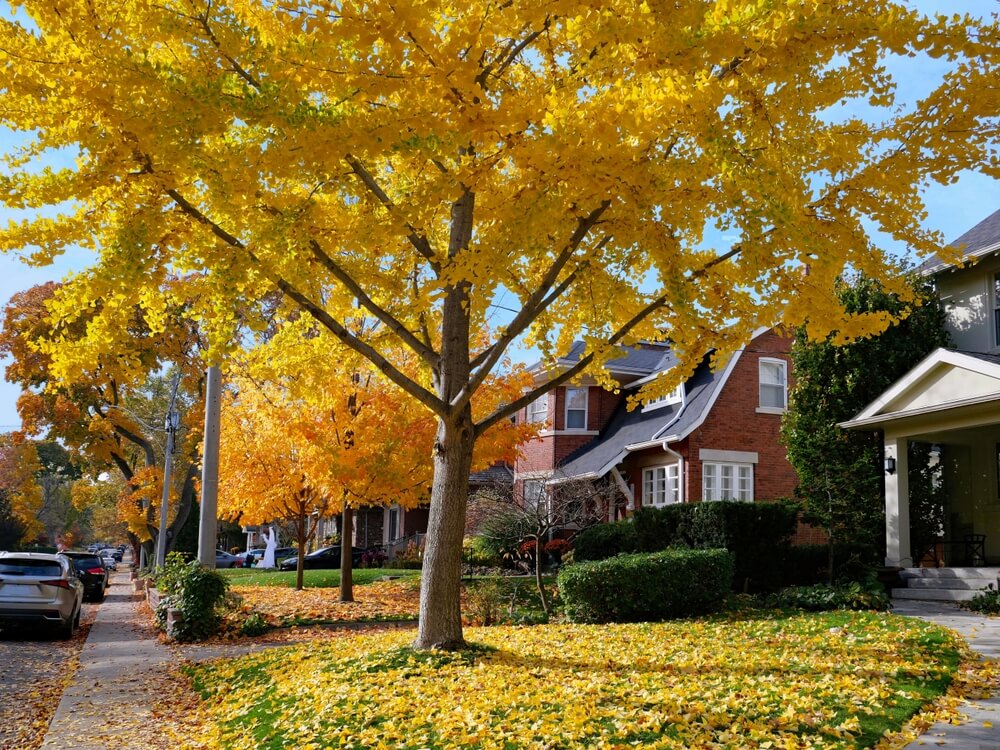
Boring yards? Never heard of them. Fall foliage plants are a must when autumn rolls around. While they don’t last long, the stunning displays will bring your yard to life. We’ve created a roundup of the best fall foliage trees and shrubs to add bursts of color to your home this fall.
Best Fall Foliage Trees in PA by Color
The best autumn yards have a mix of colors, from scarlet reds to sunshine yellows and even splashes of violet for a unique fall twist. Here are some of our favorite colorful autumn trees and shrubs to grow in your Pennsylvania yard.
For Fiery Reds
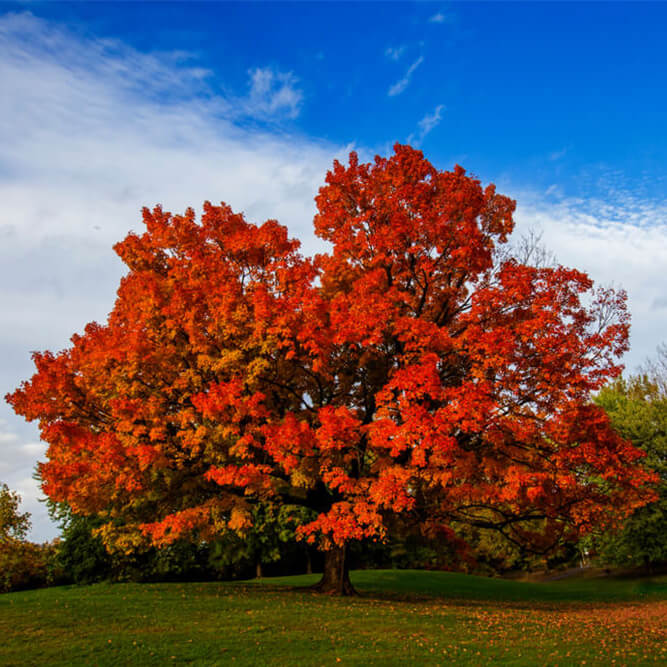
Sugar Maple — If you want a multicolored show, choose a sugar maple. These trees turn red, orange, or yellow in the fall (sometimes all on the same tree). They need room to spread, so don’t plant them in a confined space. Sugar maples thrive in full or partial sun with moist, well-draining soil.
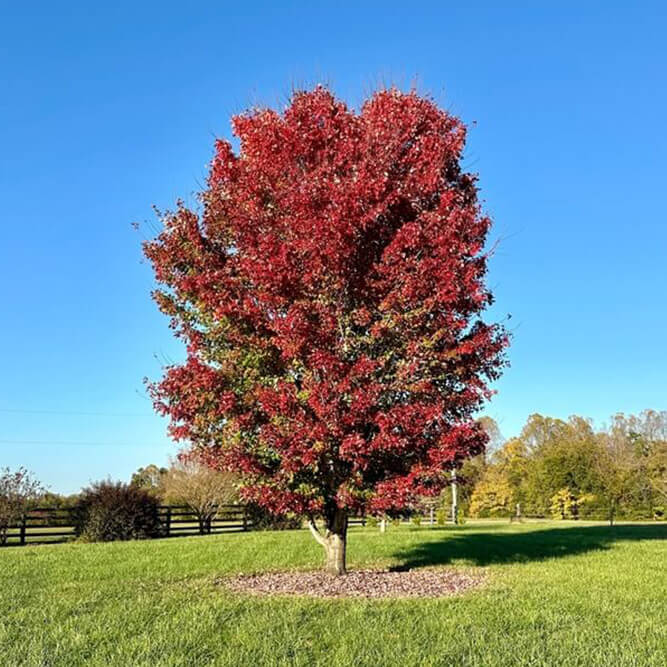
Red Oak — These colorful autumn trees can grow up to 75 feet tall. They have classic oak-shaped leaves that change every season. They start off reddish pink, then turn dark green in the summer, then transform into russet red when fall hits. Red oaks are drought tolerant and need full sun in well-draining soil.
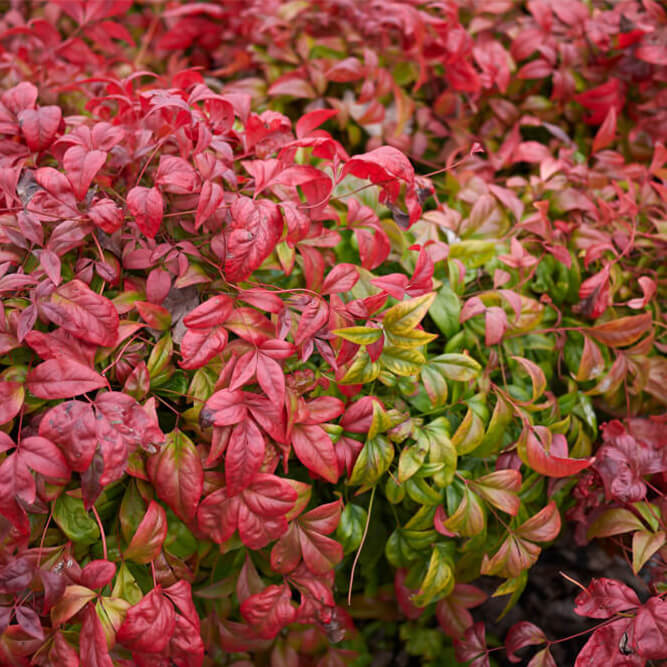
Fire Power Nandina — These evergreen nandina shrubs keep their foliage year round. While they show hints of red in the summer, they turn fiery scarlet in autumn to really brighten up your yard. These fall shrubs grow well in full or partial sun or your favorite garden containers. Keep out of reach of your kids and pets since the leaves are toxic.
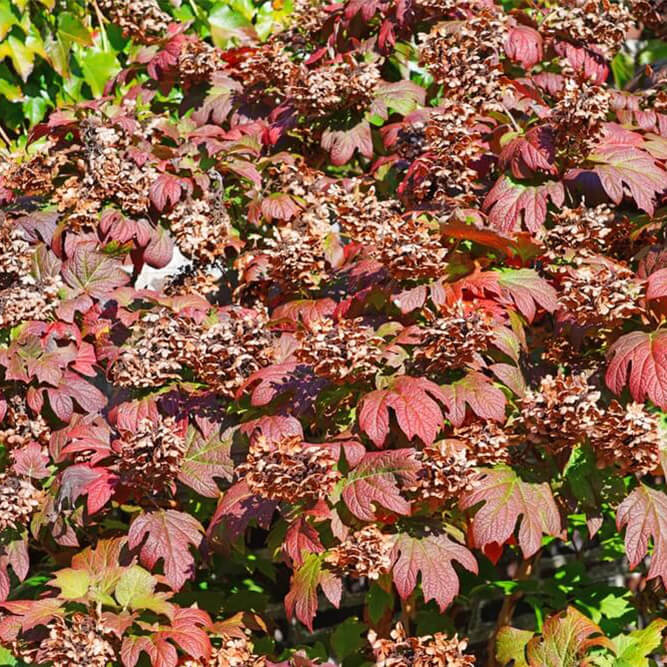
Oakleaf Hydrangea — This shrub gets its name from its leaves, which look similar to oak trees. White flowers in the summer turn pinkish-brown as the seasons change, and their leaves become red, bronzy-orange, and even purple. Native to North America, these shrubs can grow up to ten feet tall! They thrive with morning sun and afternoon shade in rich, well-draining soil.
For Vibrant Oranges
Crape Myrtle — The showy summer flowers of a crape myrtle tree transform into a colorful display of pennsylvania autumn foliage. They grow best in full sun and need only moderate watering, so avoid planting them in wet areas.
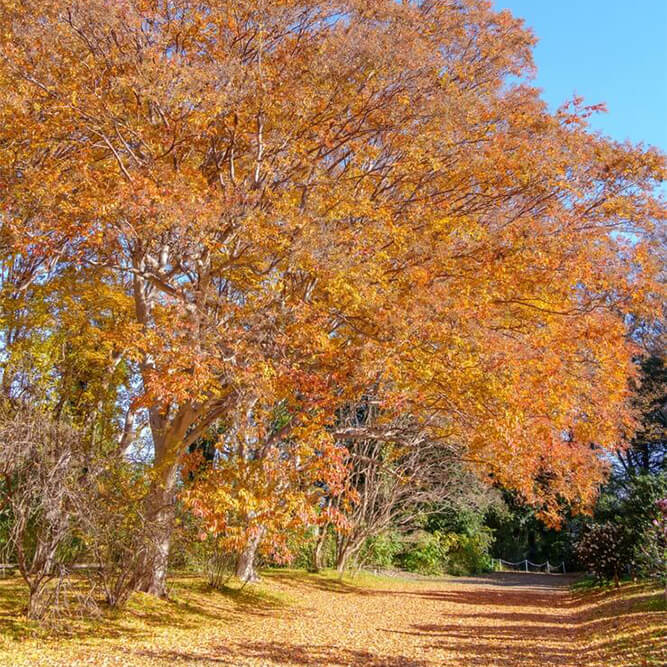
Sweetgum — The star-shaped leaves of sweetgum trees start off dark green in the summer and transform into brilliant orange, yellow, red, or purple as the seasons change. This makes them one of the best fall foliage trees you can plant. They can grow up to 75 feet tall with a 50-foot spread, so make sure they have plenty of room to grow. They like full sun and slightly acidic soil. These trees also produce spiky gumballs, so watch your feet as you walk beneath them!
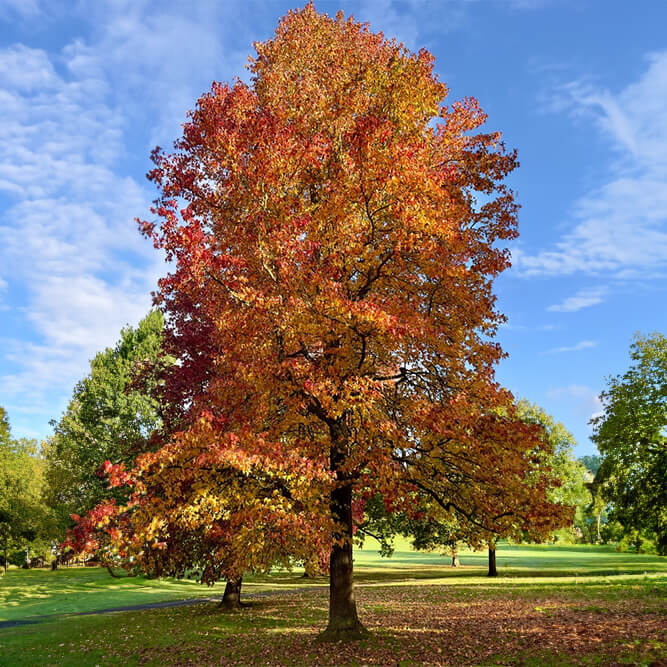
Pyracantha — Known as the firethorn plant, these fall shrubs grow shiny green leaves all year round. In addition to white flowers in early spring, their fall foliage turns to clusters of orange berries that last through the winter. They’re an extremely adaptable plant that can thrive in a range of sun and soil conditions. However, damp areas produce bigger plants.
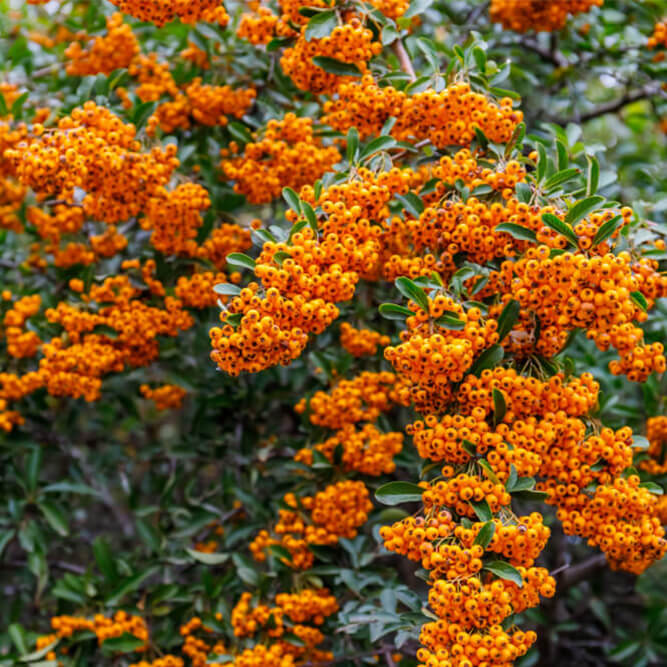
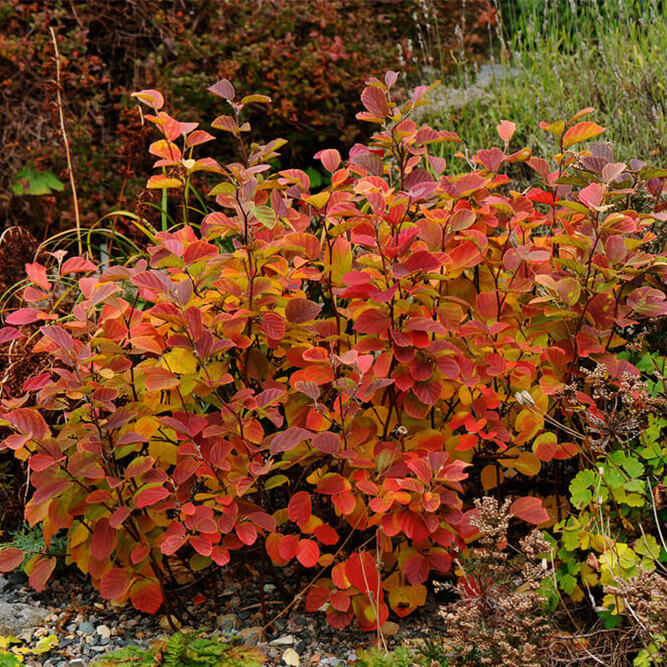
Fothergilla — Also known as Witch Alder, fothergilla shrubs transition from showy “bottle-brush” flowers in spring to blue-green foliage in the summer and finally to vivid warm tones in the fall. These shrubs grow best in slightly acidic soil and full to partial sun.
For Bright Yellows
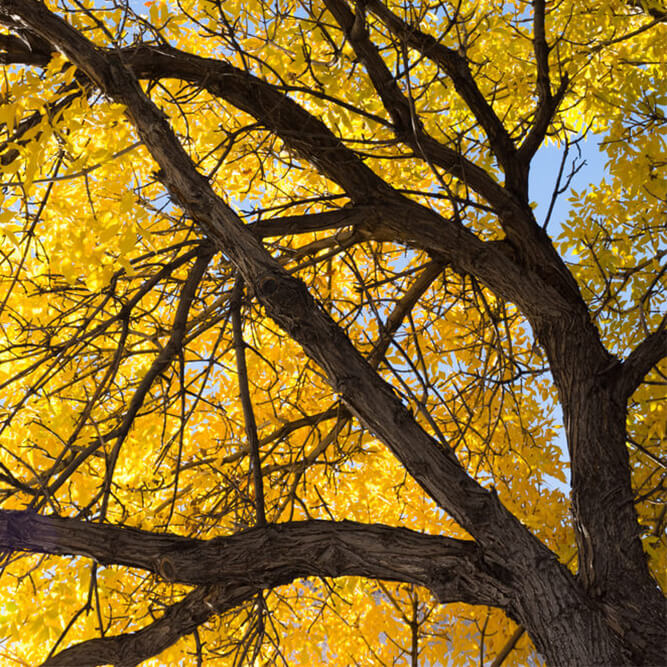
American Elm — Known for their arched canopy of leaves, these trees are perfectly suited to line streets and provide shade to pedestrians. They produce small flowers in late winter and early spring, with green leaves that turn golden in the fall. They grow best in full sun and well-draining soil.
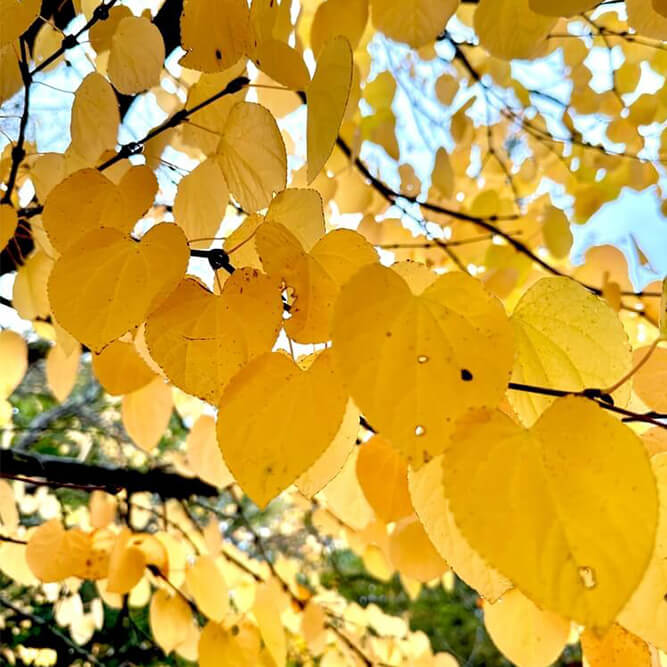
Katsura — Native to Japan, these trees have heart-shaped leaves that offer color year-round. They start off reddish-purple in the spring, and as they mature they turn green and then yellow in the fall. Katsuras can grow up to 60 feet tall and enjoy full or partial sun. For the best color, plant them in acidic soil. They are sensitive to drought, so make sure to water them during dry spells.
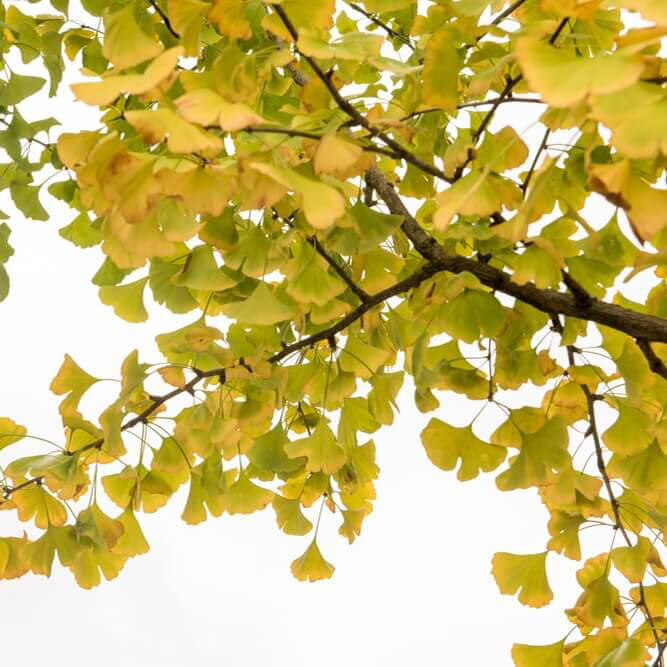
Ginkgo — You can easily spot a ginkgo by its unique fan-shaped leaves. These trees can tolerate lots of growing conditions, making them a hardy choice for your yard. They have dull green leaves in the warm months that turn golden in autumn. And since the leaves fall late in the season, they’re one of the best fall foliage trees to add long-lasting color. The biggest drawback of ginkgos is that female trees produce bad-smelling fruit, so make sure you only plant males.
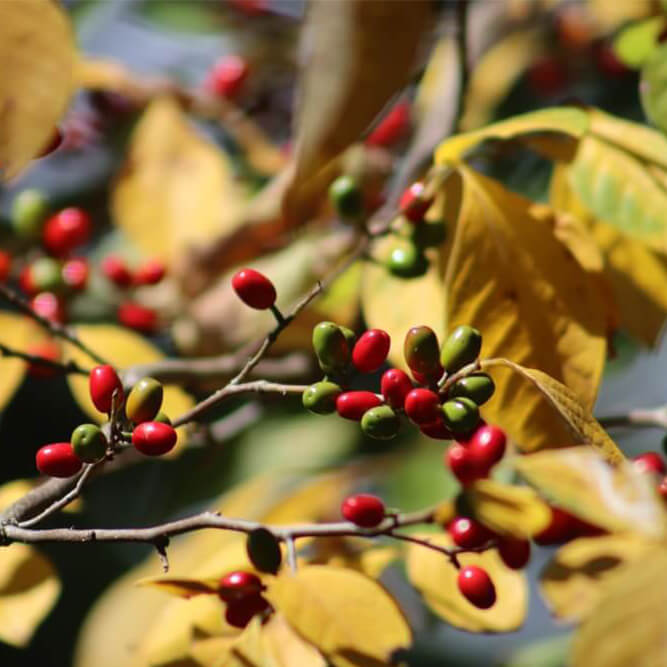
Northern Spicebush — Named after their spicy scent, these fall shrubs have glossy green leaves that turn yellow in the fall and contrast nicely with their red fruit. In the early spring, look out for greenish-yellow flowers. They are easy to grow and thrive in partial shade and well-draining soil.
For Eye-Catching Violets
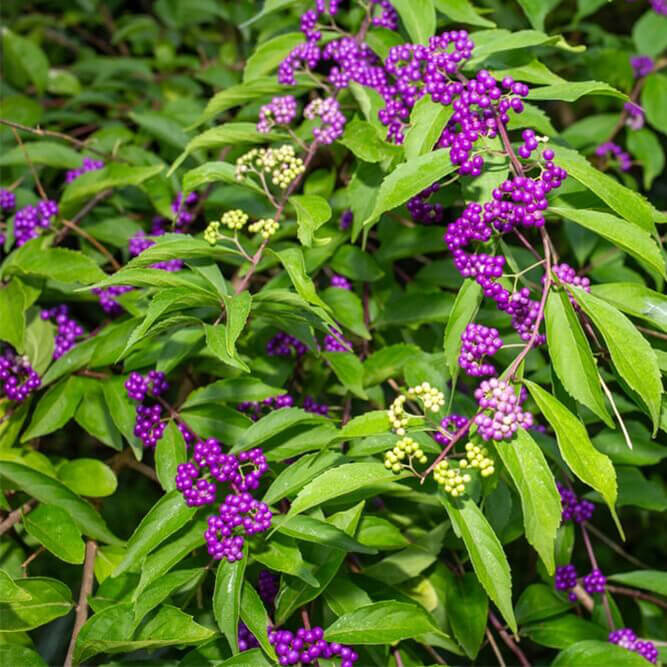
Beauty Berry — We love adding a unique spin to our yards with a pop of violet! These ornamental shrubs boast arching branches and pink flowers in the summer. But the real beauty comes in the fall when they produce glossy violet berries. They grow in full sun or partial shade and like moist conditions. Do not let this shrub dry out.
Benefits of Fall Planting
It’s not too late to add the best fall foliage trees to your yard. In fact, from late summer to early fall is one of the best times to upgrade your landscaping. Here’s why we love planting in the fall:
- Shorter days and cooler temperatures. This means new plants need less water and nutrients. Instead of working hard to maintain moisture and nutrients, more of your plant’s energy can go into establishing roots (which it’ll need to survive the winter).
- Warm soil. Despite cooler temperatures this time of year, the soil is still warm, which is perfect for healthy root growth.
- Less risk of root rot. Hot temperatures in the summer often lead to overwatering. But in the fall, there is a reduced risk of this happening, limiting the chance of root rot.
For a successful fall planting season, check out these tips to help your garden thrive.
Fall Foliage & Planting FAQs
What causes leaves to change colors in the fall?
As the days shorten and temperatures drop, chlorophyll (which causes the green color in leaves) begins to break down. This reveals the yellows and oranges beneath and encourages the creation of anthocyanin, which creates the brilliant reds and purples you see on your favorite Pennsylvania autumn foliage.
How do I get better color from my fall trees and shrubs?
Most plants that change color in the fall need full sun to produce the best display. Also make sure they have consistent moisture and well-draining soil. While you don’t have any control over the weather, most trees and shrubs thrive with warm days and cool (not freezing) nights. For the brightest color, pick varieties known for their vibrant leaves.
How do I know what type of soil I have?
The best fall foliage trees and shrubs grow in healthy soil with the proper pH levels. There are many types of soil found in Pennsylvania yards. If you’re not sure what you have, we offer free pH soil testing. Just bring us a three-inch sample in a plastic bag, free rocks, roots, and other debris. Once you get the results, you can adjust the pH levels by amending your soil. Fall is the perfect time to do it!
What else can I plant in the fall?
In addition to trees and shrubs, you can plant hardy vegetables like broccoli, kale, lettuce, and more. You can also plant cool-season annuals or spring flowering bulbs like tulips, daffodils, or hyacinth. Together, you can create a garden full of variety and color as you head into winter.
How late in the fall can I plant?
You should aim to complete all your planting six weeks before the first frost. This way, the roots have time to establish so they can survive the cold. In Pennsylvania, the first frost usually takes place in mid-October. Therefore, September is the best time to plant. As long as it’s easy to dig a hole in the ground, you can continue planting until the soil freezes over.
Shop the best fall foliage trees and get tips from our garden team members on how to help them thrive.