
How to Build a Fairy House With Your Kids
August 15, 2025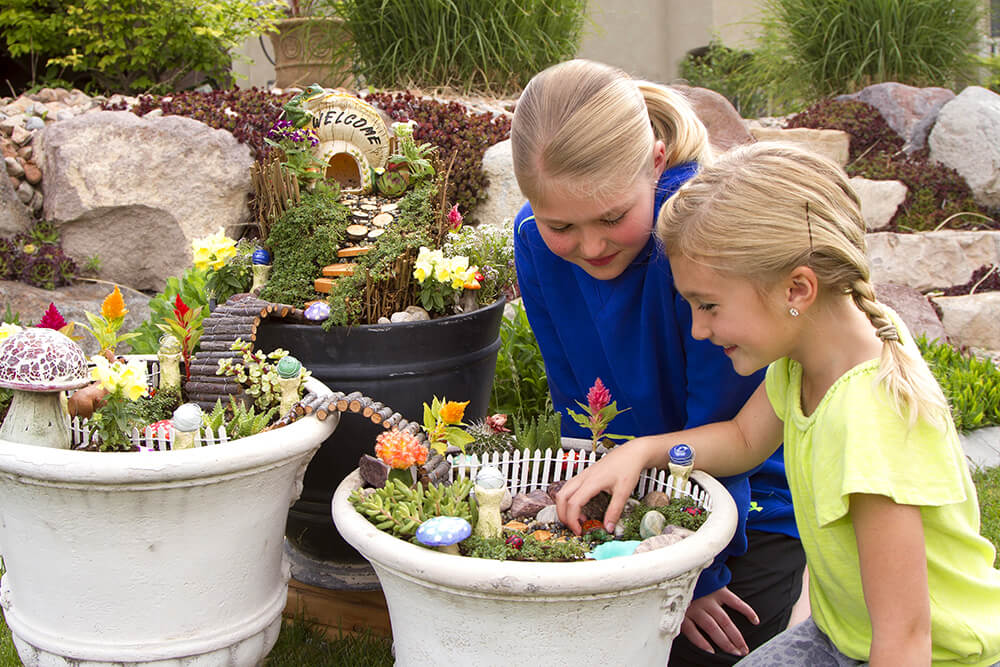
Unleash your child’s creativity by building a whimsical fairy house – a miniature dwelling for fairies and other imaginary friends right in your garden! This budget-friendly activity is a fantastic way to encourage imaginative play.
Why Nurture Imagination With a Fairy House?
Engaging in pretend play outdoors stimulates children’s minds in countless ways. As they create, observe the natural world, gather materials, move around, and share their ideas, they develop a deeper connection to nature and find joy in quiet moments. Gardens, whether sprawling or in containers, offer a rich tapestry of shapes, sizes, colors, and textures that can fuel vibrant imaginations.
Ready to Begin Your Fairy House Adventure?
Gather Your Treasures:
- An assortment of natural elements like stones, twigs, bark pieces, leaves, pinecones, nuts, and blossoms.
- An optional flowerpot for crafting a portable container fairy house.
- Optional seedlings or starter plants to add life to your container creation.
Let the Building Begin:
1). Invite your child to select the perfect spot for their fairy residence. A shady nook where they can comfortably sit is ideal. While many fairy houses find their home at the base of trees or in small wooded areas, any safe and comfortable play space will work. Alternatively, provide a pot to create a mobile fairy house and garden, complete with small plants.
2). Next, embark on a nature walk together to gather building materials. This is a wonderful opportunity to explore your garden or local green spaces. Encourage your child’s exciting finds, but gently guide them to avoid harming living plants. For instance, suggest picking a single flower or berry from several plants rather than all from one. Point out any plants to avoid, such as those with thorns or that are poisonous. Adult supervision is especially important with younger children who might explore by tasting things.
3). Time to build! If your child is new to construction, offer a few simple starting points for walls, a roof, and perhaps a tiny bed. Try to resist the urge to over-direct; children will quickly become absorbed and make their own discoveries.
4). Play, imagine, rebuild, and share the fun!
5). Capture a photo or video of their finished masterpiece. This not only creates a lovely keepsake but also boosts their confidence by acknowledging their creation and providing an opportunity to share their imaginative work with others.
This guide is inspired by the resources and educational materials provided by KidsGardening.org, a non-profit organization dedicated to supporting garden-based learning.
