
Guide to Kitchen Scrap Gardening for Kids
October 15, 2025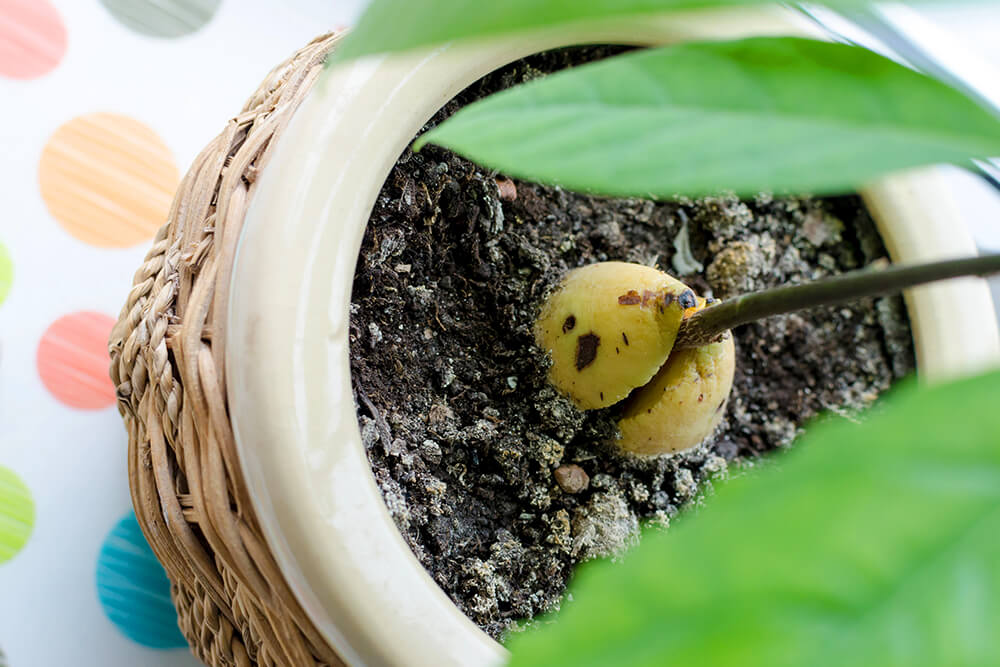
Imagine transforming your kitchen waste into a vibrant indoor garden with just a bit of effort and a sprinkle of imagination! This guide reveals all the secrets to kitchen scrap gardening. Prepare to be amazed!
How to Garden with Kitchen Leftovers
Kitchen scrap gardening is a fantastic way to cultivate new plants from what you’d normally toss in the compost. It’s an engaging activity for kids, teaching them about recycling, sustainability, and the sheer magic of new life sprouting from old plant parts. Get ready for some green thumbs-up moments!
Tiny Seeds, Big Possibilities
Winter’s citrus bounty – oranges, lemons, grapefruits, and limes – holds the potential for charming houseplants right in their seeds. Simply fill a 4-inch pot with damp potting mix. Extract whole seeds and plant three or four about an inch deep. Within a few weeks, tiny sprouts will emerge, creating your own miniature citrus grove. Keep them watered for about six weeks before giving each seedling its own larger pot. While it will be a long time before you see any blossoms (and even longer for fruit – most edible citrus comes from grafted trees, not seeds), the fragrant leaves are a delight. Encourage kids to give them a gentle rub and sniff!
The Adventure of Big Seeds
If the small seeds sparked curiosity, try the larger seeds of tropical wonders like mangoes and avocados. Let an avocado pit air-dry for a day or two, then plant it pointed-end up in a 6-inch pot of moist soil, leaving the tip exposed. For a captivating sprouting experiment, suspend the pit over a glass of water using three toothpicks inserted around the middle. Add water to just touch the bottom. Kids can witness the roots and sprout emerge – how cool is that? This can take a month or two. Once you see both, transfer it to soil.
Mangoes require a bit more patience. Soak the hard seed in warm water for a week, changing the water daily. Then, plant it like an avocado and settle in for a potential four-month wait for a sprout.
Re-growing Roots and Shoots
Sweet potatoes and ginger, a tuber and a rhizome respectively, offer surprisingly easy ways to grow new plants. For a sweet potato, use three toothpicks to suspend it over a water-filled glass, ensuring the narrower end is submerged. Place it in a sunny spot. Roots will appear in the water, and within weeks, stems and leaves will sprout from the top. Once a good root system develops, gently pot it up.
Ginger is especially rewarding because its cut ends and the fragrant new leaves release that unmistakable spicy scent. You can either suspend a piece of ginger over water with toothpicks or plant it directly in moist soil. If starting in water, transfer it to soil once roots form.
Give ‘Em the Chop! (For New Growth)
Did you know you can coax new leafy growth from root vegetables like beets, parsnips, and carrots simply by cutting off their tops? Kids will enjoy this part! Slice off the crown along with an inch or two of the root and place it in a shallow dish with pebbles for support and water. In about a week, fresh greens should appear. Then, tuck the root into a pot of soil.
This “beheading” trick also works wonders with pineapples. Remove the top inch of the fruit and scoop out most of the flesh, leaving the core. Let the top dry for a day or two, then place it in a pebble-filled tray with water. Roots will emerge, followed by new shoots from the top in about two weeks, leading to a fantastic tropical houseplant. To continue its growth, plant it in a pot, covering the base and roots with soil.
Spice Up Your Indoor Garden
For a kitchen scrap that offers both aroma and edible greens, try growing garlic or onions. Plant individual garlic cloves or onion bulbs just below the surface in moist potting soil. Within a few weeks, you’ll see green shoots appear. Unlike the other plants here, these greens can be harvested and enjoyed in salads and stir-fries.
Ready to Grow?
What You’ll Need:
- Fruit and vegetable scraps (oranges, lemons, limes, sweet potatoes, avocados, carrots, beets, onions, and ginger are great choices)
- Containers for growing
- Potting mix
- Water
Let’s Get Started:
1). Take a look around your kitchen for potential plant-growing candidates. Oranges, lemons, limes, sweet potatoes, avocados, carrots, beets, onions, and ginger are just some of the amazing fruits and vegetables that can be used to create new plants. You might be surprised at what you can regrow!
2). Choose your growing method: either plant your scraps directly in potting soil or suspend them in water. The best approach depends on the specific plant part you’re working with.
3). Find a sunny windowsill and get ready to watch the magic happen!
This guide is inspired by the resources and educational materials provided by KidsGardening.org, a non-profit organization dedicated to supporting garden-based learning.
