
7 Holiday Plants That Add Christmas Cheer to Any Room
October 30, 2025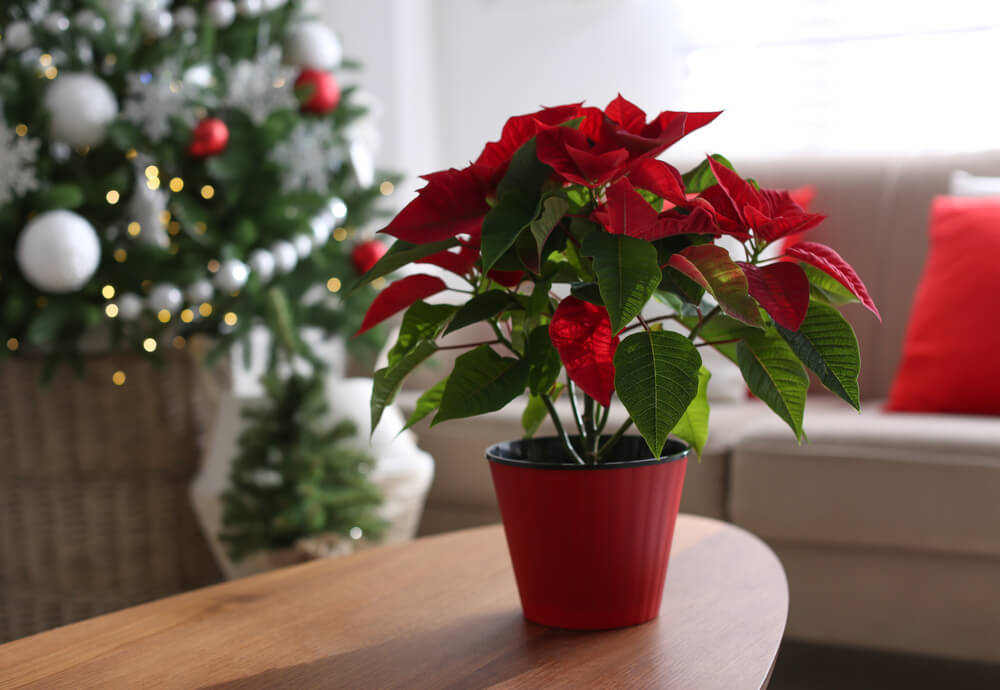
Twinkle lights, Santa hats, sugar cookies, and Mariah Carey’s voice in every department store—the most magical time of year is just around the corner. If you’re looking for some decorating inspiration, check out a few of our favorite holiday plants! The vibrant leaves and beautiful flowers add a pop of color and a festive feel to your home. Learn how to care for each plant and creative decorating ideas for the winter.
1). Poinsettias
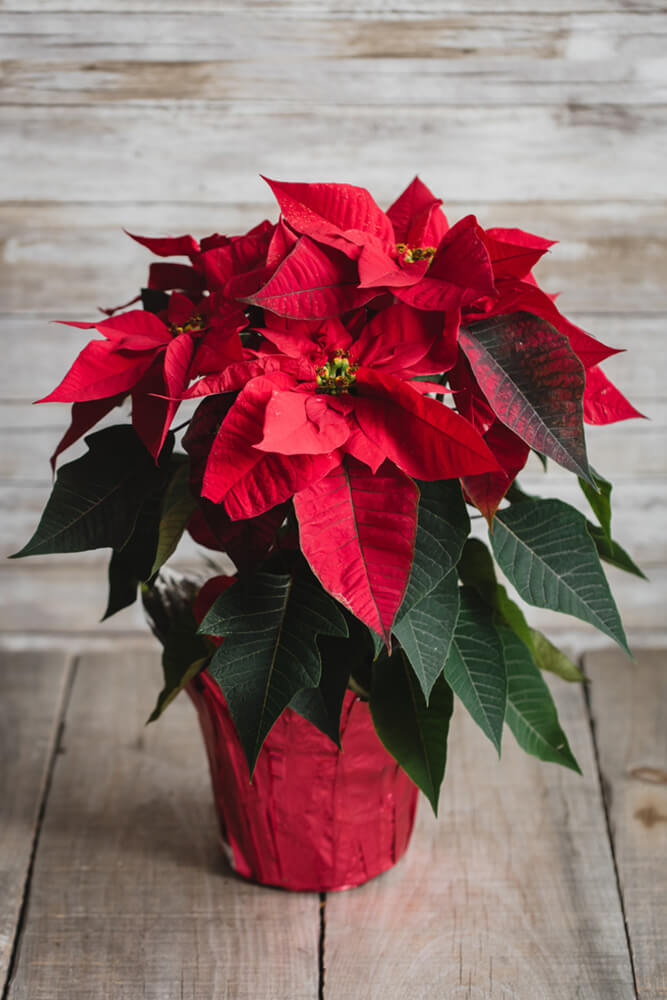
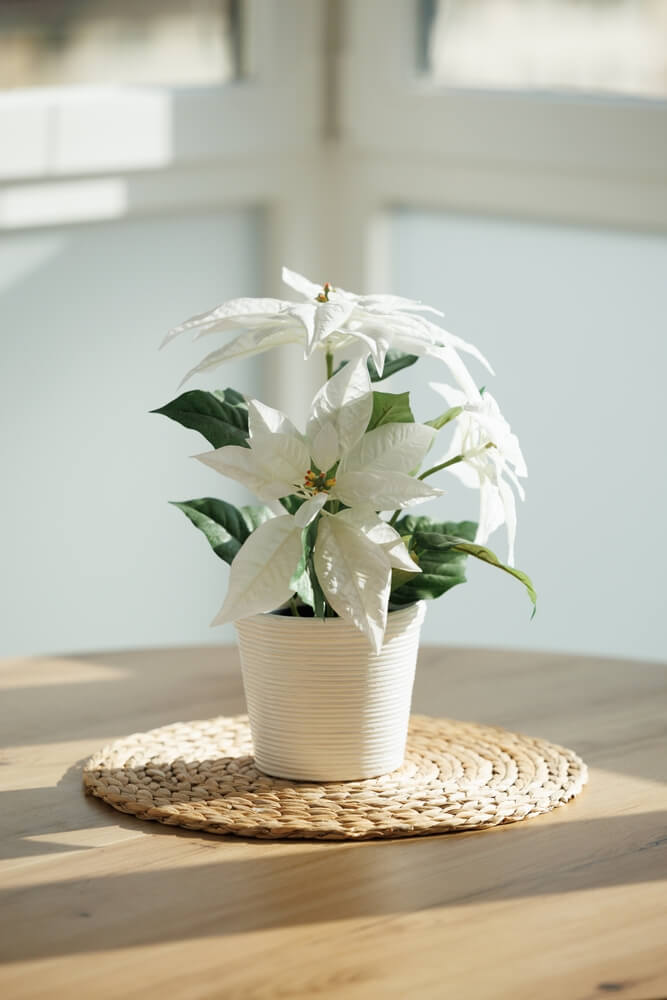
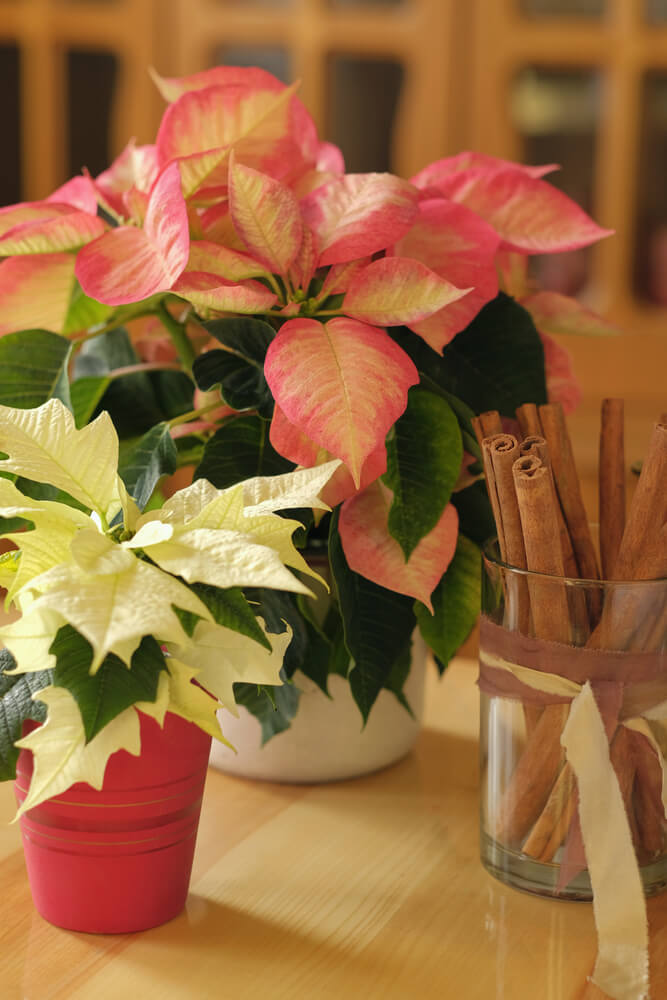
These tropical plants come in a variety of colors, from creamy white to vibrant red and rosy pink. The poinsettia leaves are the star of the show, but they have small buds that slowly open into yellow flowers over time. Embrace your Christmas spirit by placing your poinsettias in holiday planters for the ultimate seasonal decor.
- Sunlight: Bright, indirect light.
- Water: Keep the soil moist, but not wet. Water when the top 50% of soil is dry, and avoid wetting the leaves.
- Potting: Do not remove from the nursery pot.
- Temperature: Keep indoors and away from cold windows and drafty areas.
- Fertilizer: Use an all-purpose houseplant fertilizer at half strength from spring to early fall.
- Toxicity: While poinsettias are not poisonous, they can be mildly irritating if eaten, causing vomiting and a rash.
- Common issues: Be mindful of overwatering.
STAUFFERS TIP: To make the colors last longer, buy poinsettias with mostly closed flower buds. This means they are in the earlier stages of maturity and will bloom for longer.
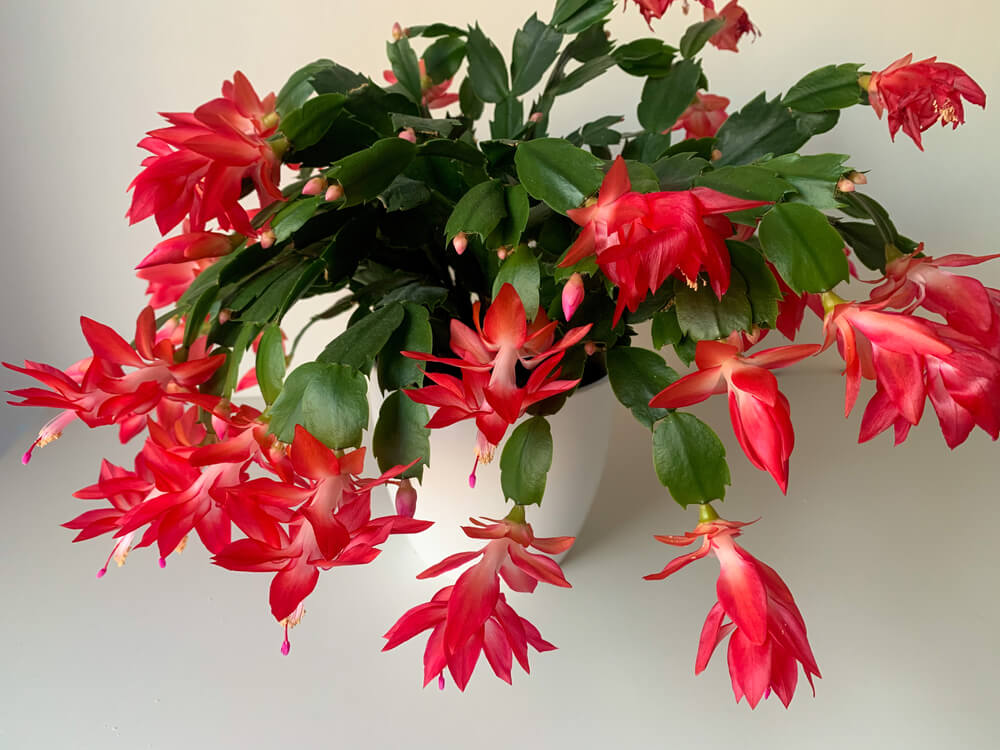
2). Christmas Cactus
This popular holiday plant is a succulent that blooms in the winter, producing red, pink, white, and even yellow flowers! A Christmas cactus can live for over 100 years if cared for correctly.
- Sunlight: Bright, indirect light.
- Water: Let the top 50% of soil dry out before watering.
- Potting: Use acidic, well-draining soil. Only repot your Christmas cactus in the spring, never while it’s blooming.
- Temperature: Before blooming, they like cool temperatures around 60 °F. After bloom, they prefer it a bit warmer.
- Fertilizer: Feed it half strength liquid fertilizer in the spring and summer about twice a month.
- Toxicity: Not toxic.
- Blooming: Blooming begins when the days are short and temperatures are cool. About eight weeks before the holidays, place your cactus in a dark room for 12 hours a day to initiate the flowering process.
- Common issues: Buds may fall off if it’s too dry or if there’s not enough light.
STAUFFERS TIP: A few weeks after the holidays, prune each stem of your Christmas cactus to help it grow back fuller. Then propagate the cuttings to create new plants!
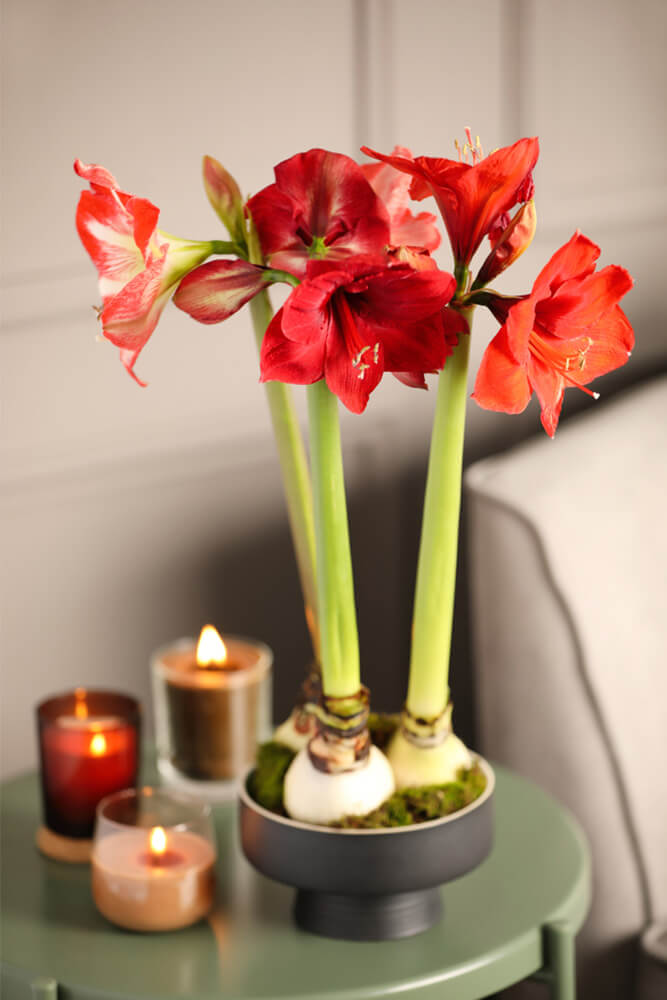
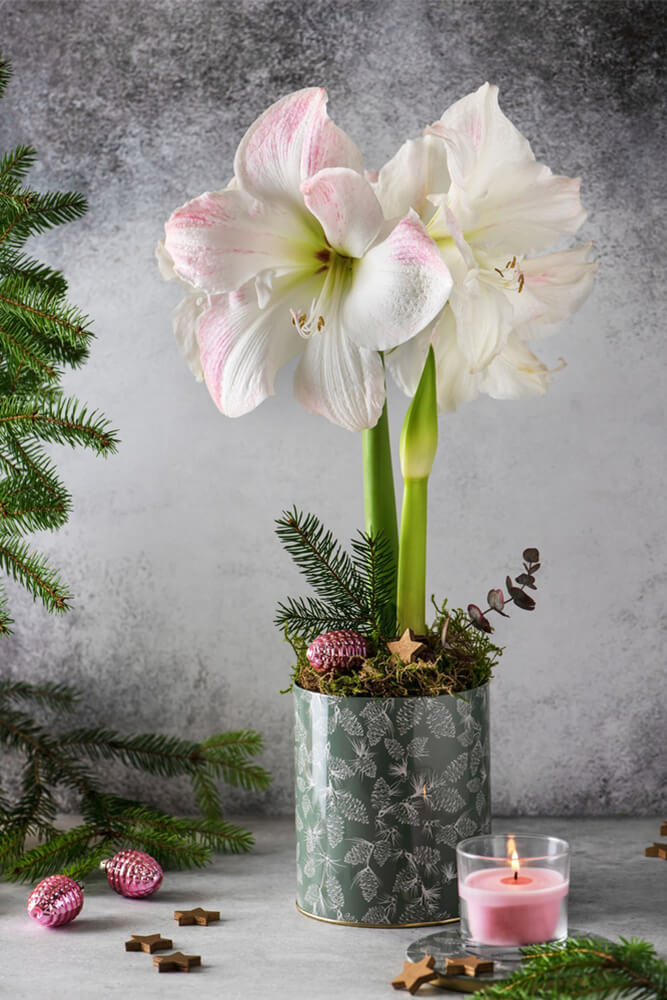
3). Amaryllis Bulbs
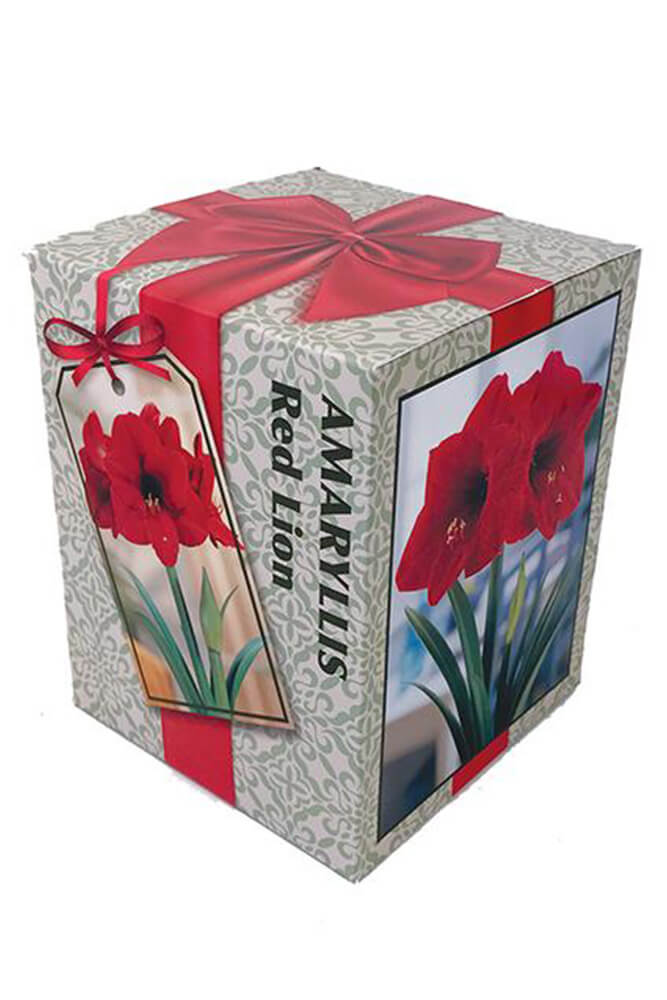
If you’re on the hunt for some red holiday plants, amaryllis bulbs are for you. These tropical plants produce large, dramatic flowers in red, white, or pink. Another plus is that you don’t have to throw out the bulb. Just let it go dormant and replant it next year for another round of blooms! Our kits make the perfect holiday plant gift for anyone in your life with a green thumb.
- Sunlight: Bright, indirect light.
- Water: Water after planting and then sparingly until it sprouts. Once it’s a few inches tall, water regularly whenever the top inch of soil is dry.
- Potting: Plant your bulb with about ⅓ of it sticking out of the soil. Find a pot that’s a similar size as the bulb. Optional: soak roots in water an hour before planting to encourage growth.
- Temperature: Amaryllis bulbs are susceptible to frost, so keep them inside and only move them outdoors in the spring and summer.
- Fertilizer: Feed your plant once a month from spring through fall with a balanced, liquid houseplant fertilizer.
- Toxicity: These plants are toxic—specifically the bulbs—so keep them away from pets and kids.
- Blooming: It can take anywhere from six to twelve weeks after planting for a flower to form.
- Common issues: Overwatering can cause the bulb to rot, and planting it too deep can prevent flowering.
STAUFFERS TIP: Your plant will naturally bend towards the light, so rotate it regularly so it will grow straight. You may need to add a stake to help it stay upright.
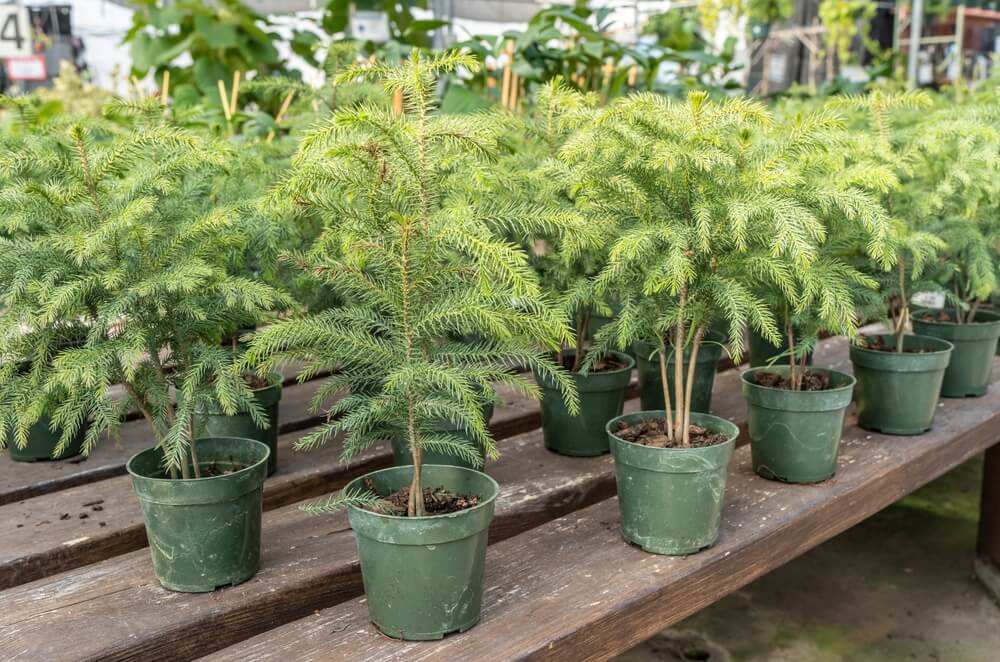
4). Norfolk Pine
This holiday plant is like a mini Christmas tree! Wrap it in twinkle lights and tiny ornaments for the perfect desk decor or tree for a small space. However, it’s not a real pine tree. Unlike classic evergreens, Norfolk pines only grow up to six or seven feet tall and thrive indoors.
- Sunlight: Bright, indirect light.
- Water: Water deeply when the top of the soil is dry.
- Potting: Repot them every few years.
- Temperature: Does not like the cold.
- Fertilizer: Use a houseplant fertilizer once a month in the spring and summer.
- Toxicity: The needles are non-toxic but should not be ingested.
- Common issues: Wilting and browning branches are a sign of overwatering.
STAUFFERS TIP: Try misting the branches of your Norfolk pine to increase the humidity, especially in dry environments. This helps prevent browning.
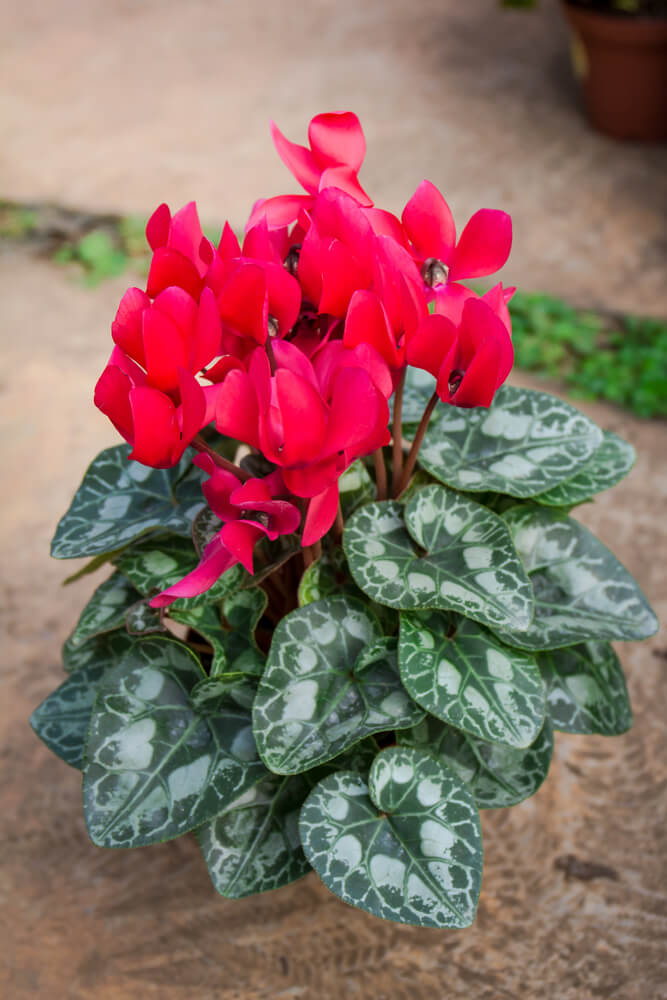
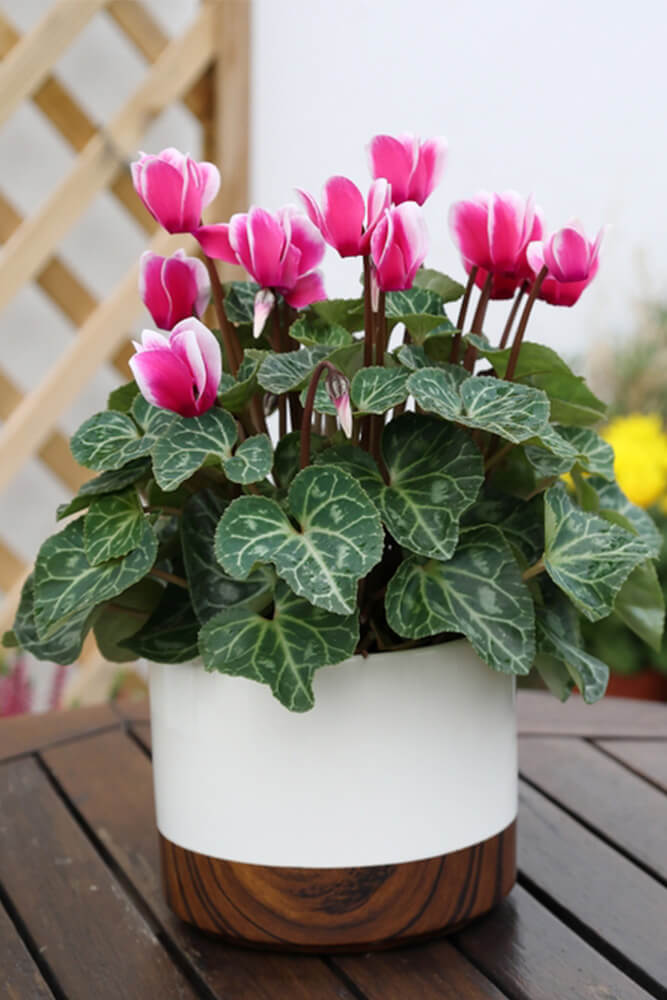
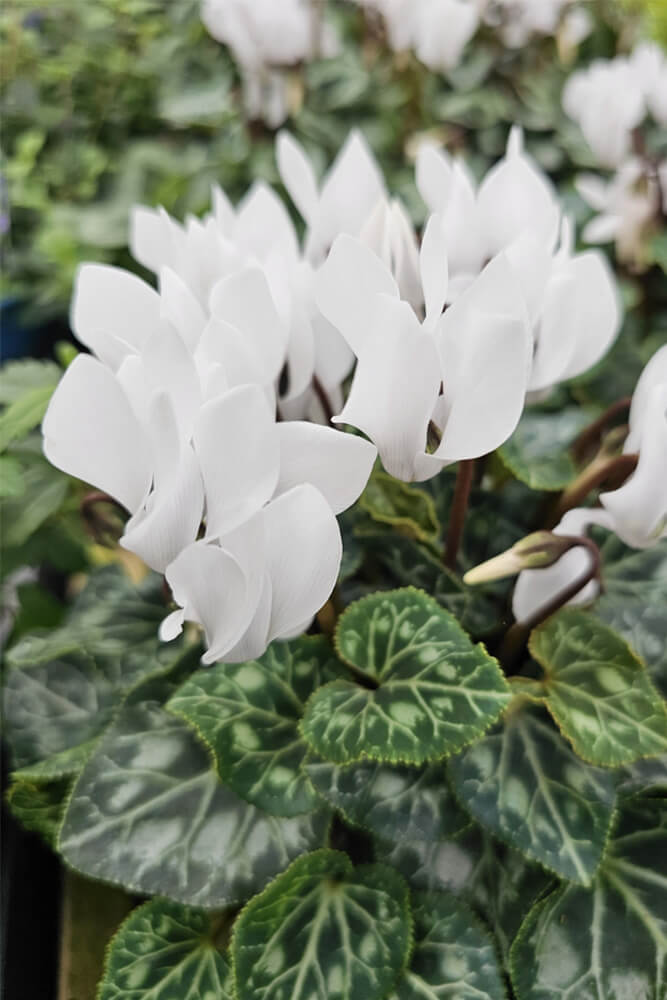
5). Cyclamen
Its heart-shaped leaves and red and pink flowers make Cyclamen the perfect holiday plant gift. They grow from tubers, so they are a little particular about watering and moisture. But with the proper care, they can bloom for years and years.
- Sunlight: Bright, indirect light.
- Water: Water from the bottom for 15 minutes when the top inch of soil is dry. Keep the soil moist but not excessively wet.
- Potting: Repot every two or three years to a slightly bigger container.
- Temperature: Likes high humidity and cool temperatures between 60 and 65 °F. Higher temperatures over 70 °F can cause it to go dormant too early.
- Fertilizer: Add every few weeks from fall to spring with a half-strength balanced, liquid fertilizer.
- Toxicity: Cyclamen is toxic, especially the roots and tubers, so keep out of reach of pets and children.
- Common issues: Overwatering can cause tubers to rot.
STAUFFERS TIP: If you notice yellow leaves in the spring, your plant isn’t dying. Rather, it’s going dormant! Water infrequently during the spring and summer until green sprouts return in the fall. Then return to a regular watering schedule.
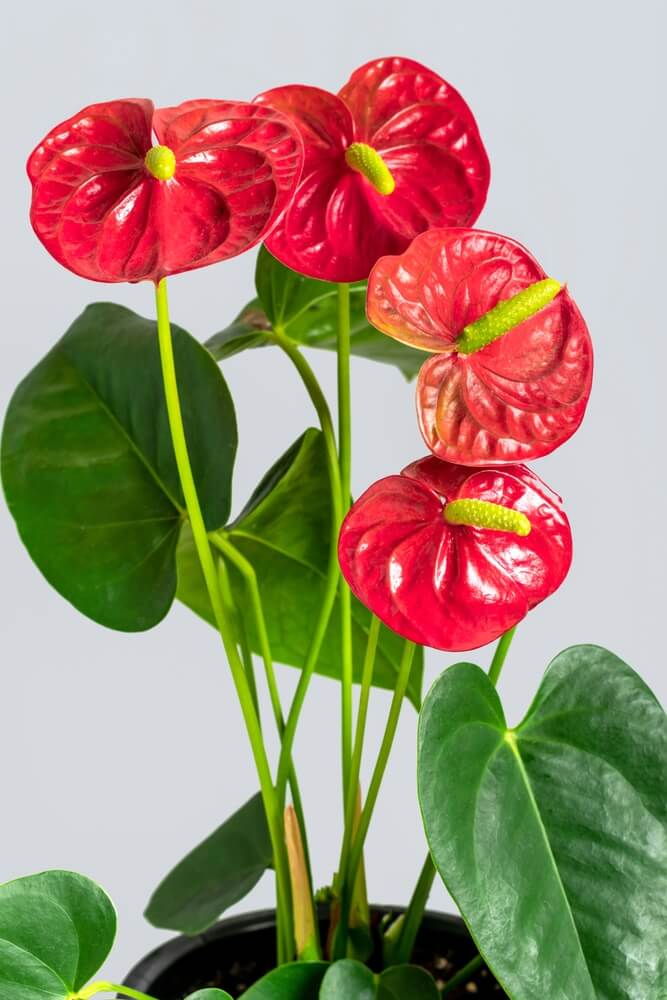
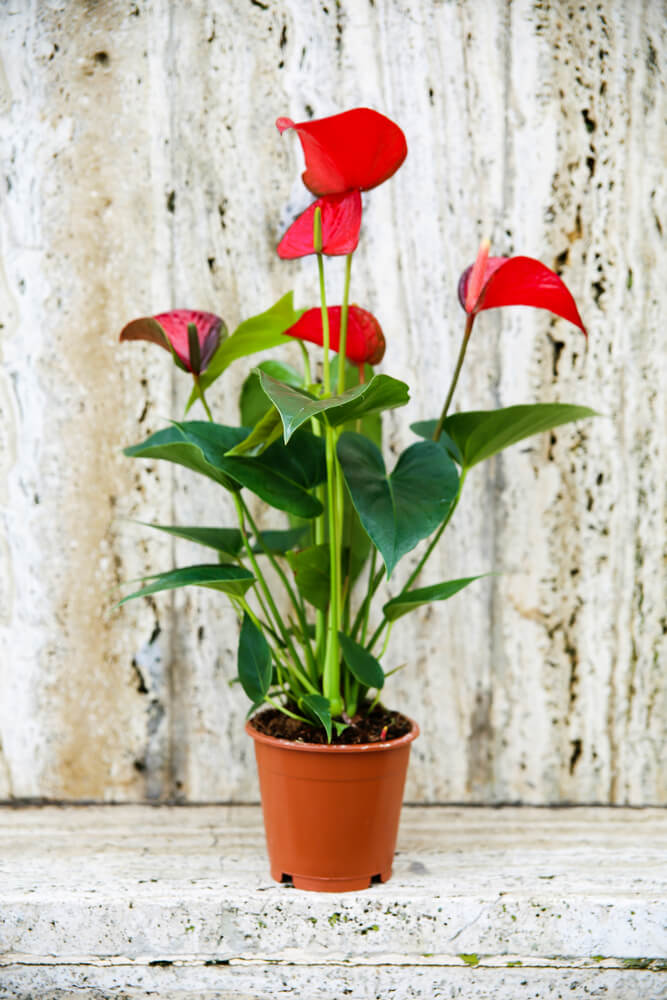
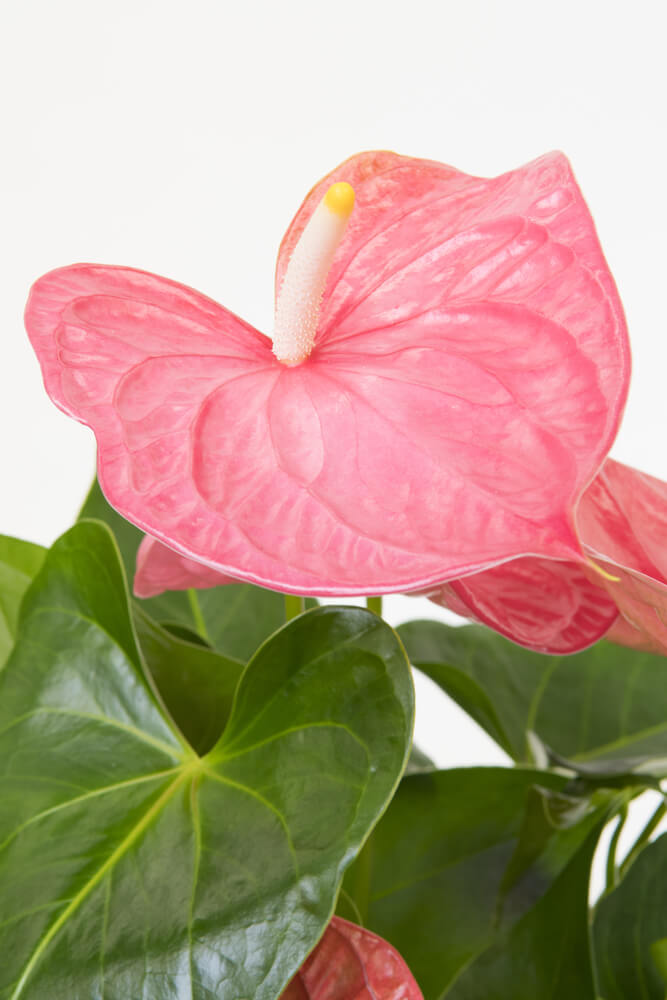
6). Anthurium Andraeanum
With their heart-shaped leaves, these red holiday plants are perfect for Christmastime. Just like amaryllis bulbs, you may need a stake or trellis to help the stem stay upright as it grows taller. In the right environment and with the right care, these tropical plants bloom year round.
- Sunlight: Bright, indirect light.
- Water: Keep the soil moist and water when the top inch is dry. Don’t let it fully dry out.
- Potting: Plant in well-draining soil and repot every few years as needed. We recommend using an orchid potting mix.
- Temperature: Anthuriums love warm temperatures and high humidity. Your bathroom is the perfect home for these holiday plants.
- Fertilizer: Add a diluted, high-phosphorous liquid fertilizer each week during the growing season.
- Toxicity: This plant is toxic to pets and humans, so keep it out of reach.
- Common issues: If it’s not blooming, give it more light and see if it needs a bigger pot. Anthuriums are also prone to root rot, so avoid overwatering.
STAUFFERS TIP: Low humidity in your home? Try using a humidifier during the dry months, setting your plant on a wet tray of pebbles, or misting the leaves.
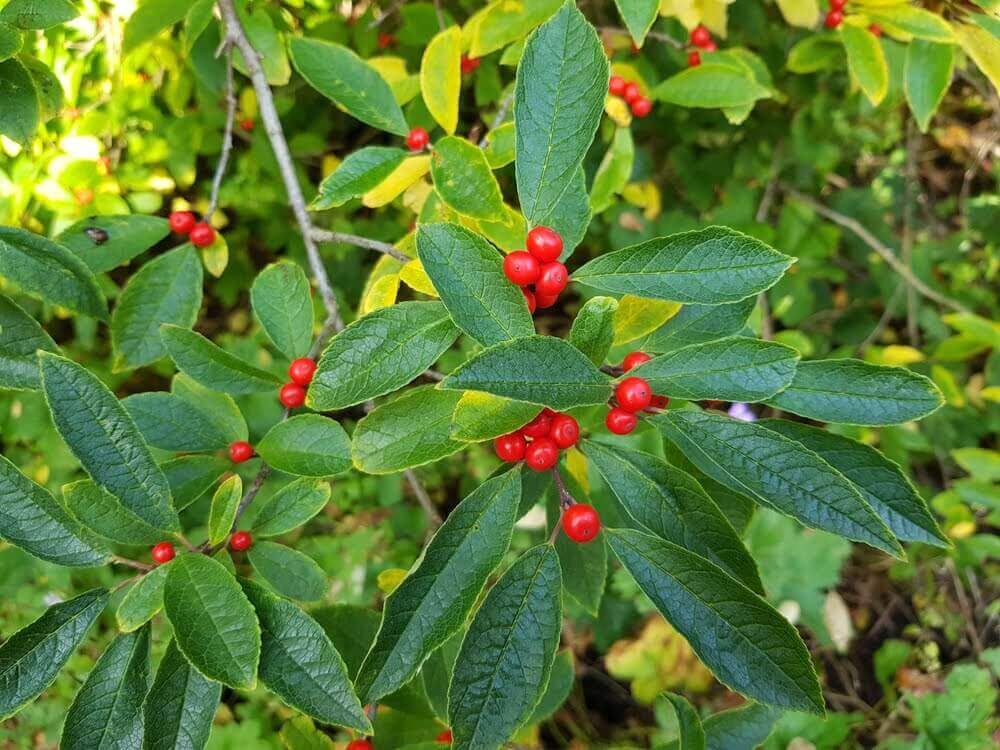
7). Winterberry Holly
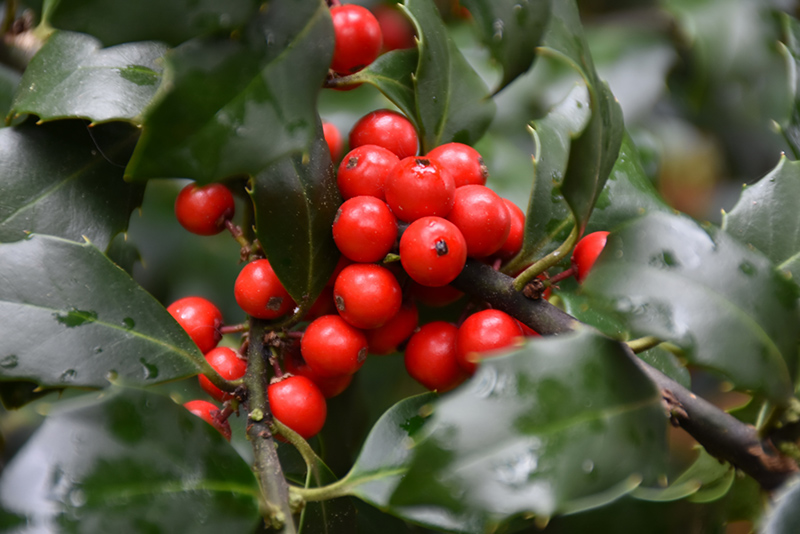
Winterberry shrubs are typically grown in the ground, but they can adapt to containers for a temporary holiday display. They are known for their bright red berries and dark green leaves—the perfect color palette for Christmas.
- Sunlight: Bright, indirect light.
- Water: Keep the soil moist, but not soggy. Water only when the top inch is dry.
- Potting: Plant in well-draining, acidic soil. Make sure your pot is large and has drainage holes.
- Temperature: Keep away from extreme cold or hot temperatures.
- Fertilizer: Not necessary unless growth is slow.
- Toxicity: Holly is toxic to pets and humans, so no matter how delicious they look, don’t sample the berries!
- Common issues: Overwatering leads to yellow leaves and wilting. Shade or lack of a male pollinator can result in limited berries.
STAUFFERS TIP: Winterberry is deciduous, meaning you need a male and female plant to produce berries. Flowers in the spring will turn to berries on the female plant if pollinated correctly. So make sure you buy them in pairs!
Decorating With Holiday Plants
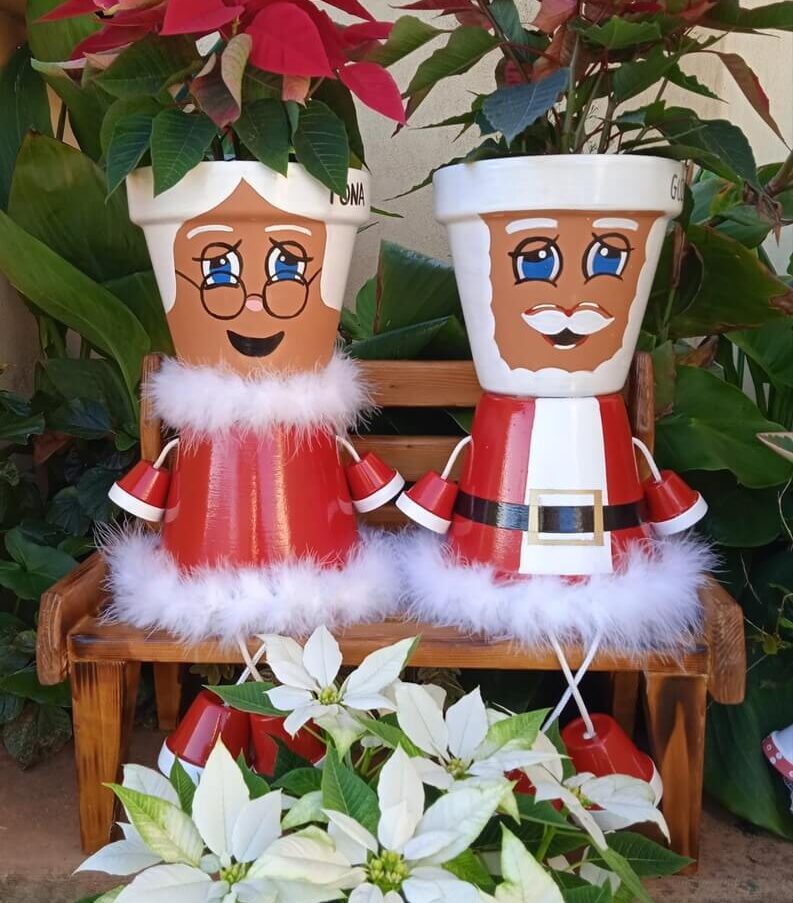
Accessorize! Don’t stick with your basic nursery pots. Place those inside festive pots or baskets wrapped in lights, ribbons, bows, and burlap to bring the room together. Then sprinkle in some berries and pine cones to add variety to your holiday plant decor.
Try these fun planter ideas:
• Painted pots
• Metal Christmas tins
• Wooden boxes
• Santa’s sleigh
Play with height! Use risers, shelves, and stands to create visual interest for a holiday plants display. Add greenery to mantels, doorways, and banisters to draw your eye around the room.
Need help creating a balanced display? Learn all about container gardens and the key to designing the perfect arrangement.

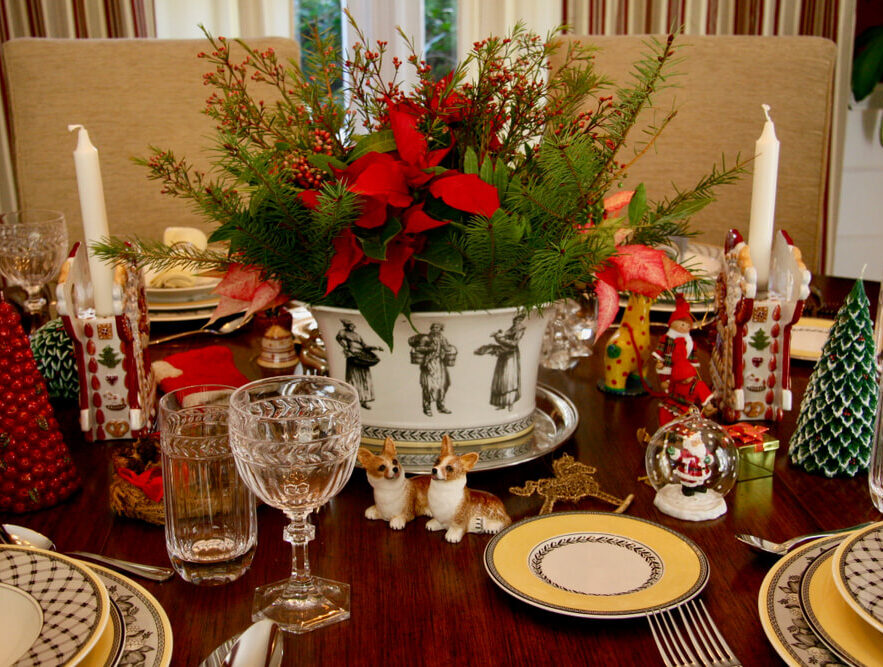
Create festive floral tablescapes! Use your holiday plant decor as centerpieces during meals. Pair them with a table runner and candles for a gorgeous addition to your Christmas dinner.
Get a head start on Christmas shopping.