
60+ PA Native Plants for a Thriving Pennsylvania Garden
April 28, 2026
If your garden could talk, it would probably ask for PA native plants. Natives are naturally suited to Central Pennsylvania and help your landscape thrive season after season. Many plants you see around this area are actually from other parts of the world. While they look great at first, some can become invasive over time.
In this guide, we’ll highlight some of the best PA native plants to bring lasting beauty, balance, and resilience to your home—because a gorgeous garden shouldn’t come at the expense of your local ecosystem.
What are Pennsylvania native plants? Pennsylvania native plants are plants that thrived in the area before Europeans settled here. According to the Pennsylvania Department of Conservation & Natural Resources, there are approximately 2,100 native plants in the state, plus an additional 1,300 non-native species. Each year, more and more non-native plants are introduced.
Benefits of Native PA Plants in Lancaster County (And Beyond)
Landscaping with native plants doesn’t just benefit you. It also benefits the environment! Here are the main reasons our landscaping team recommends natives:
- Low maintenance — The secret to a low-stress garden has been growing in Pennsylvania long before any of us planted a thing. Native plants are adjusted to the soil, climate, and rainfall of this region, so you don’t have to do much to coax them to grow.
- Color — Don’t think of native plants as just a wall of browns and greens. Plants native to this region offer year-round bursts of colors that change seasonally and add personality to your home.
- Fewer pesticides — Because native plants have thrived in the same environment as local pests, they have adapted to one another. Native plants can tolerate these pests and many even attract beneficial insects. You know what that means? Less need for chemical pesticides throughout your yard.
- Conserve water — Native plants help save water. They have grown accustomed to local rainfall amounts and don’t need much extra watering to grow.
- Support wildlife — Birds and pollinators depend on trees, shrubs, and other native plants as their food source. They have adapted over the years to live on the pollen, fruit, and seeds these plants produce, as well as the insects they support. When you choose native plants, you are providing a dependable food source for local wildlife!
- Rewards for removing invasives — You can also get free plants through Pennsylvania’s Invasive Replace-ive Program by removing at least one invasive species from your yard. This prevents them from spreading to your neighbors and causing headaches for other homeowners.
Find A PA Native Plant Store Near You
Ready to fill your yard with natives? We have Home & Garden Centers in Lititz, Lancaster, York, Dover, Mechanicsburg, Harrisburg, and Hummelstown. Our garden experts are happy to help you find the perfect plants for your yard, plus we offer a No-Worries Return Policy so you can grow with confidence.
What Are the Best PA Native Plants?
As we mentioned above, there are over 2,000 native plants in Pennsylvania, but here are our top five picks for leveling up your landscaping.
| Native Species | Type | Image | Design Strength | Why Choose for Central PA? |
|---|---|---|---|---|
| Eastern Redbud (Cercis canadensis) | Small Tree | 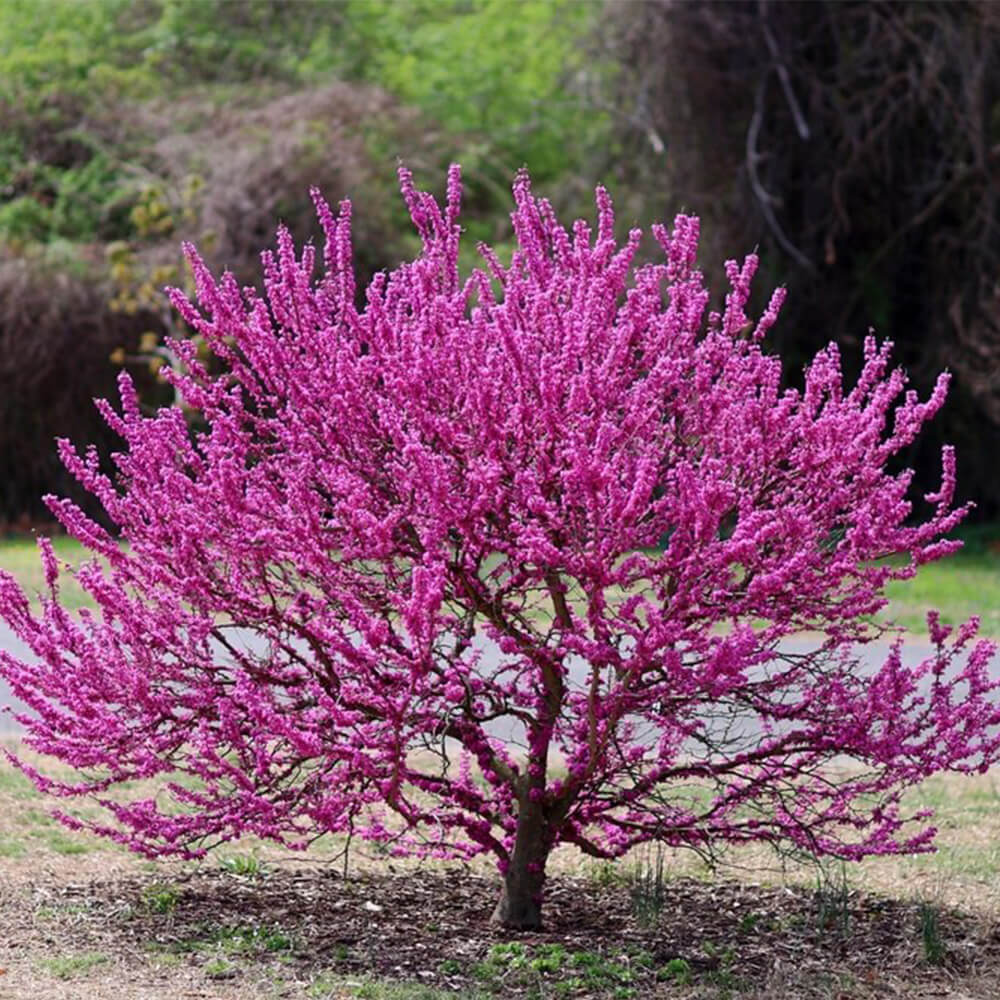 | Early spring “neon” blooms | Fits perfectly in smaller suburban Lancaster yards. |
| Brandywine™ Viburnum (Viburnum nudum ‘Bulk’) | Shrub | 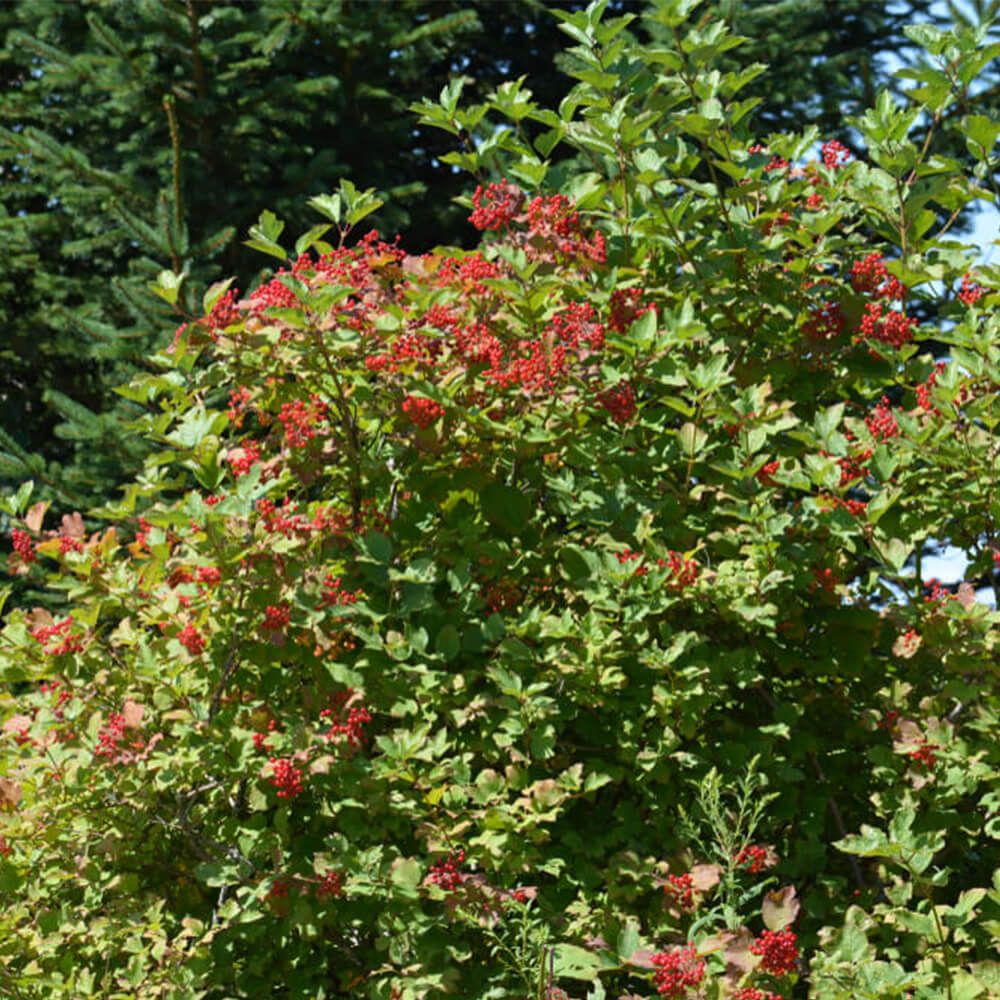 | White flowers in spring and bright berries in summer/fall | Resilient plant that thrives in our local clay soil. |
| Switchgrass (Panicum virgatum) | Grass | 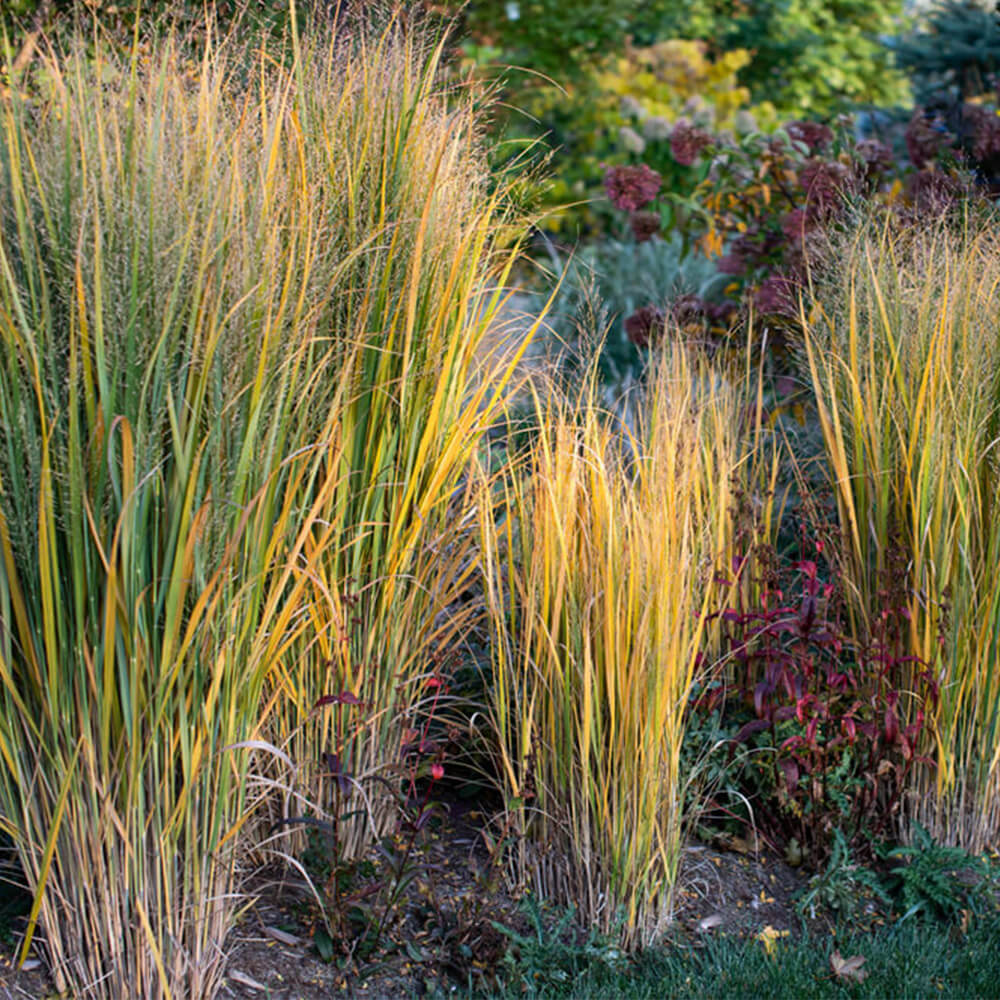 | Winter texture, privacy, and height variety | Very tolerant to all soil types and offers erosion control. |
| Purple Coneflower (Echinacea) | Perennial | 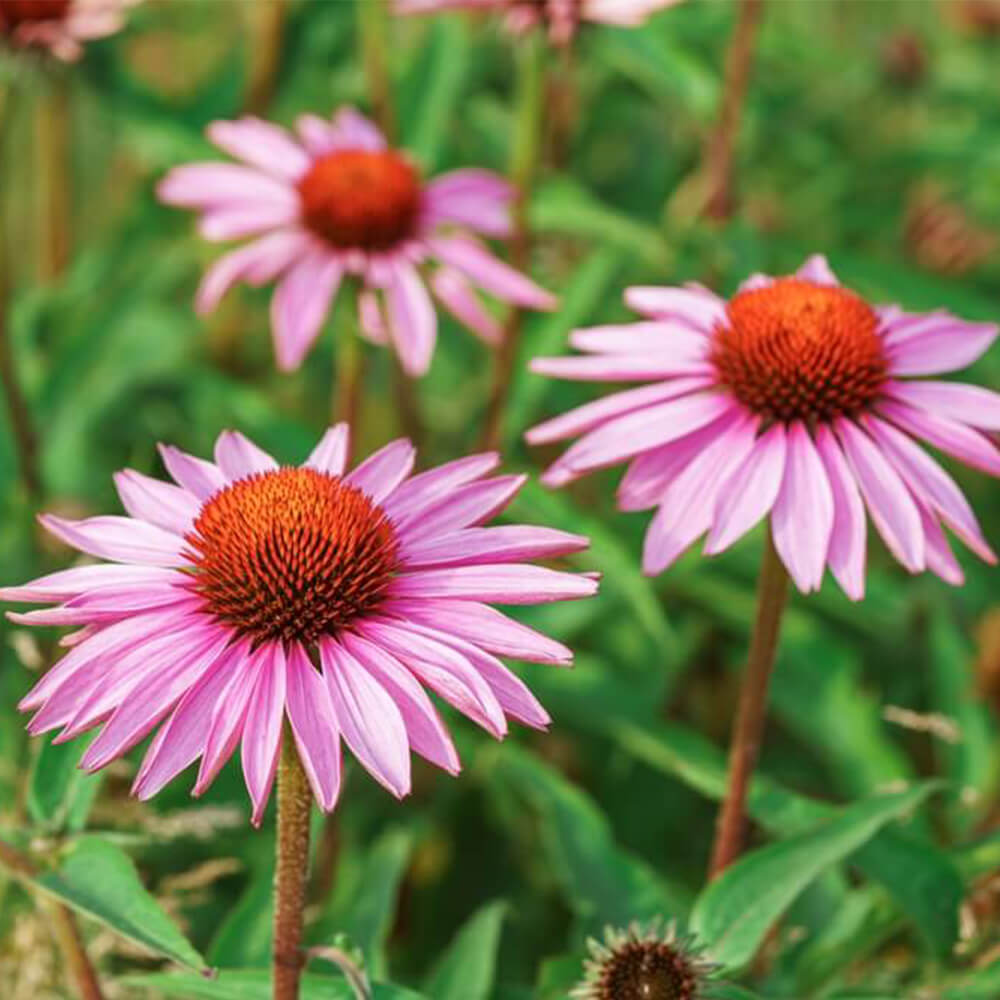 | Classic “cottage garden” look | Drought-tolerant for those hot Lancaster summers and attracts local pollinators. |
| Christmas Fern (Polystichum acrostichoides) | Groundcover | 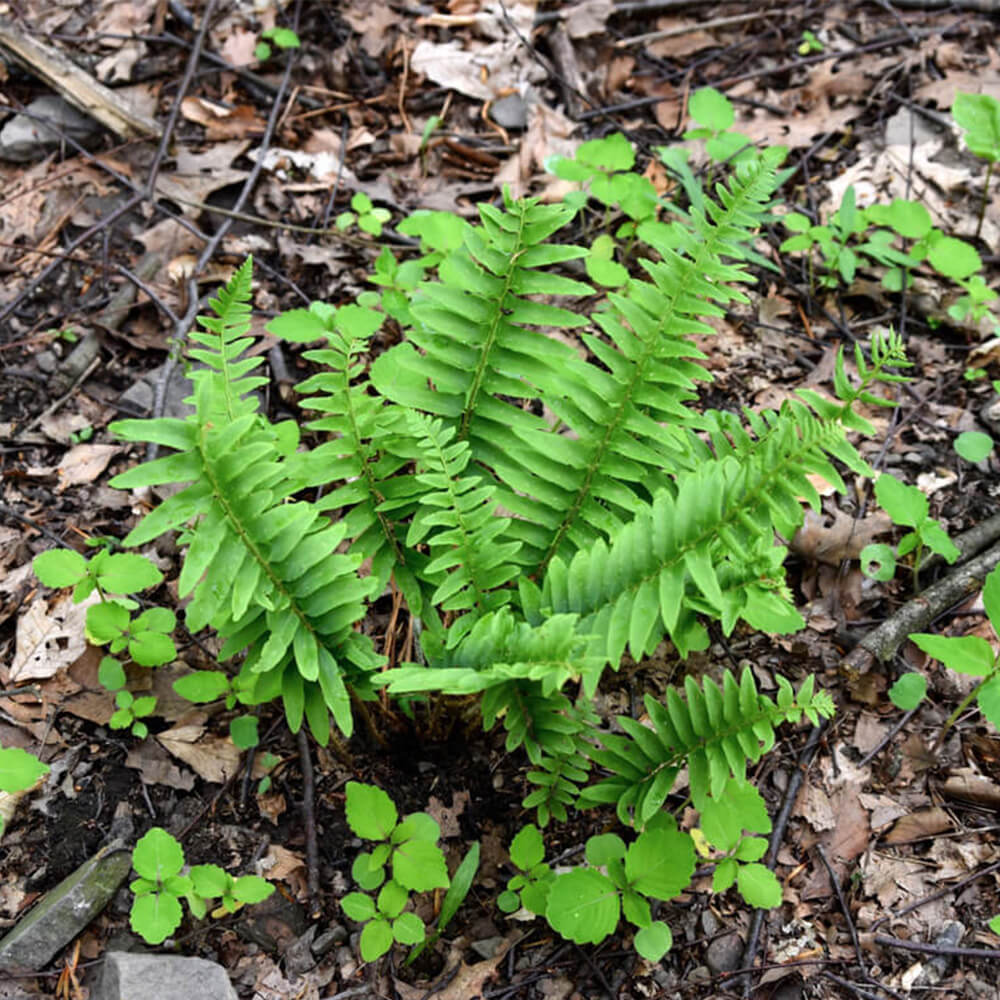 | Year-round green foliage | One of the few natives that stay green in a PA January—and is deer resistant. |
Stauffers Pro Tip: The 70/30 Rule
You may worry that ‘going native’ means a messy or boring yard. But the secret is the 70/30 rule! We recommend that 70% of your landscape be native to support our local birds and pollinators, while 30% can be your favorite non-invasive ornamentals for color.
For a clean, high-end look in Central PA, use Christmas ferns as a structured border. They stay green even when the snow falls.
Keep reading for a full list of our team’s favorite PA native plants.
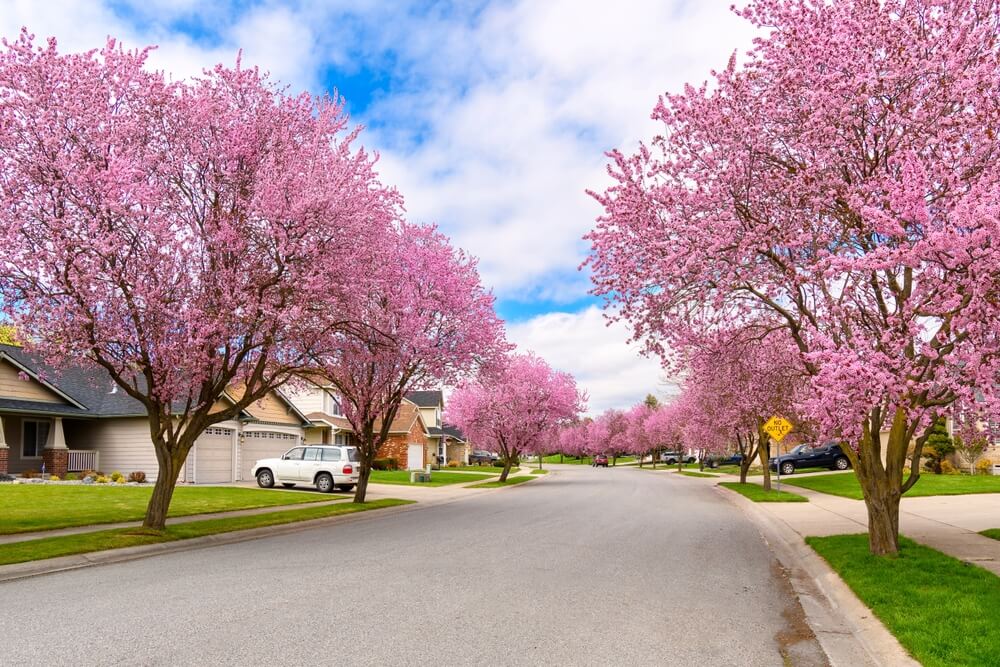
Pennsylvania Native Trees for Privacy and Shade
- Red maple (Acer rubrum) — best for sunny sites, very adaptable to light and moisture, bright red to orange fall colors.
- Eastern white pine (Pinus strobus) — best for sunny sites, graceful shape, high wildlife value.
- Eastern hemlock (Tsuga canadensis) — evergreen trees, best for sunny sites but can also tolerate shade.
- Eastern red cedar (Juniperus virginiana) — evergreens with sky blue, berry-like cones, best for dry and sunny areas.
- Swamp white oak (Quercus bicolor) — produce acorns that feed local wildlife, tolerate water more than other oaks, best for sunny sites.
- Sugar maple (Acer saccharum) — thrive in sunny areas, also adaptable to dry areas, can be tapped with a spile for home-made syrup.
- Flowering dogwood (Cornus florida) — best for shady sites, prefer acidic soil, produce red berries and white or pink flowers.
- Sourwood (Oxydendrum arboreum) — best in sun to partial shade, need acidic soil, bloom in summer, have outstanding fall color.
- Eastern redbud (Cercis canadensis) — best in part sun, can tolerate full sun with age, have beautiful lavender flowers in the spring.
- Fringetree (Chionanthus virginicus) — large shrubs or small trees with fragrant flowers in mid-spring, female plants may produce berries in the summer.
- Black tupelo (Nyssa sylvatica) — fast-growing shade trees with brilliant fall coloration.
- Green hawthorn (Crataegus viridis) — white flowers in spring turn into red berries in the fall, use caution with thorns.
- River birch (Betula nigra) — fast-growing shade trees for moist areas, host several butterfly and large moth species, impressive peeling bark adds winter interest.
- Sweetbay magnolia (Magnolia virginiana) — multi-trunked trees tolerant of moist and wet soils, fragrant flowers in late spring to early summer, turn to scarlet red seeds in fall that birds enjoy, host various butterfly and moth species.
- Serviceberry (Amelanchier) — small tree with white flowers, brilliant fall foliage, produce edible fruit in the summer.
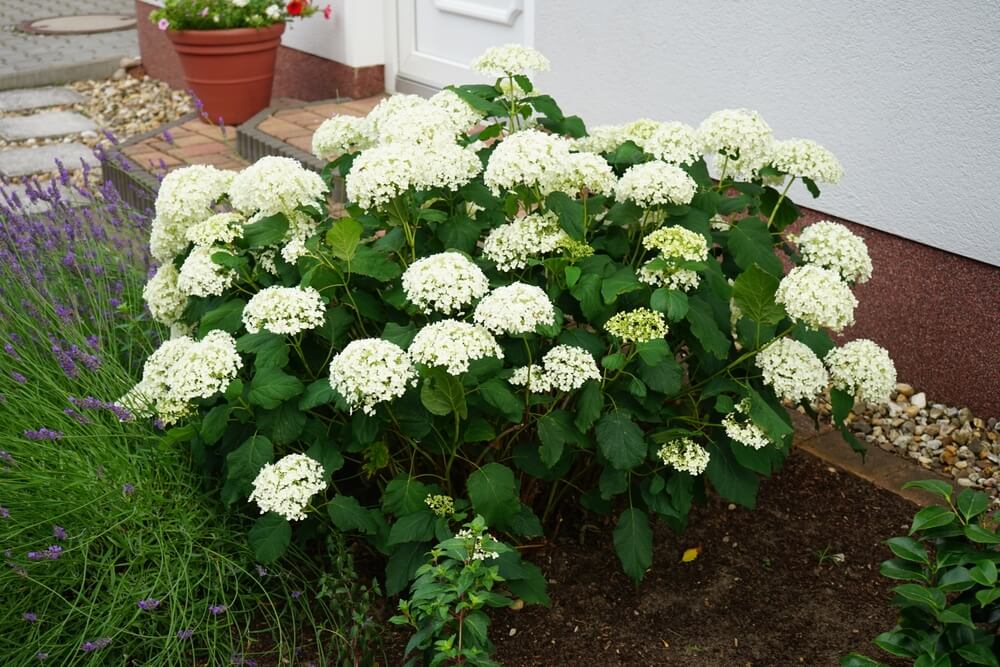
Low-Maintenance PA Native Shrubs for Year-Round Interest
- Summersweet (Clethra alnifolia) — best for sunny moist sites, also tolerate shade, great for pollinators.
- Winterberry holly (Ilex verticillata) — best for sunny moist sites, grow red berries.
- Lowbush blueberries (Vaccinium angustifolium) — a smaller species of blueberry, can be grown as a groundcover, brilliant fall colors, more tolerant of dry soils than larger blueberries.
- Northern spicebush (Lindera benzoin) — grow in shade to sun, foliage releases a pleasant scent when rubbed or crushed, host plants for the Spicebush Swallowtail butterfly, can be trained into small trees.
- Swamp azalea (Rhododendron viscosum) — deciduous rhododendrons that tolerate both sun and moist soils, bloom in early summer with fragrant flowers.
- Arrowwood viburnum (Viburnum dentatum) — very adaptable species that can grow in sun, shade, and most soil types, white spring flowers turn into clusters of blueberries in fall.
- Red twig dogwood (Cornus sericea) — large shrubs with bright red stems in the winter, grow well in wet soils in full sun, produce small white berries for birds in the summer.
- American pussy willow (Salix discolor) — large shrubs to small trees with soft fuzzy flowers in late winter, grow well in sun, tolerate wet soil.
- New Jersey tea (Ceanothus americanus) — small shrubs with small white flowers in mid-June, host Spring Azure butterflies, leaves were used in colonial times as a decaffeinated tea substitute.
- Virginia sweetspire (Itea virginica) — dense adaptable shrubs, outstanding fall coloration.
- American wisteria (Wisteria frutescens) — native species of wisteria that blooms later than other wisteria varieties, large clusters of purple flowers.
- Smooth hydrangea (Hydrangea arborescens) — white-flowered hydrangeas for shady locations.
- Mountain laurel (Kalmia latifolia) — broadleaf evergreens for shady areas, bloom mid-spring.
- Brandywine™ Viburnum (Viburnum nudum ‘Bulk’) — low-maintenance shrub with white flowers in the spring and vivid berries in the summer and fall.
Native Perennials that Thrive in PA Soil
- Bee balm (Monarda didyma) — best for sunny moist sites, aromatic nectar source, spread well to naturalize areas.
- Wild blue phlox (Phlox divaricata) — good groundcover for shady locations that blooms in spring.
- Oxeye sunflower (Heliopsis helianthoides) — best for sunny sites, tolerate drought once established, nectar for butterflies and seeds for goldfinches.
- Golden sundrops (Oenothera fruticosa) — long-blooming and drought-tolerant, best for sunny dry areas, bright yellow flowers.
- Black-eyed Susan (Rudbeckia fulgida) — long-blooming perennials, best for sunny dry sites.
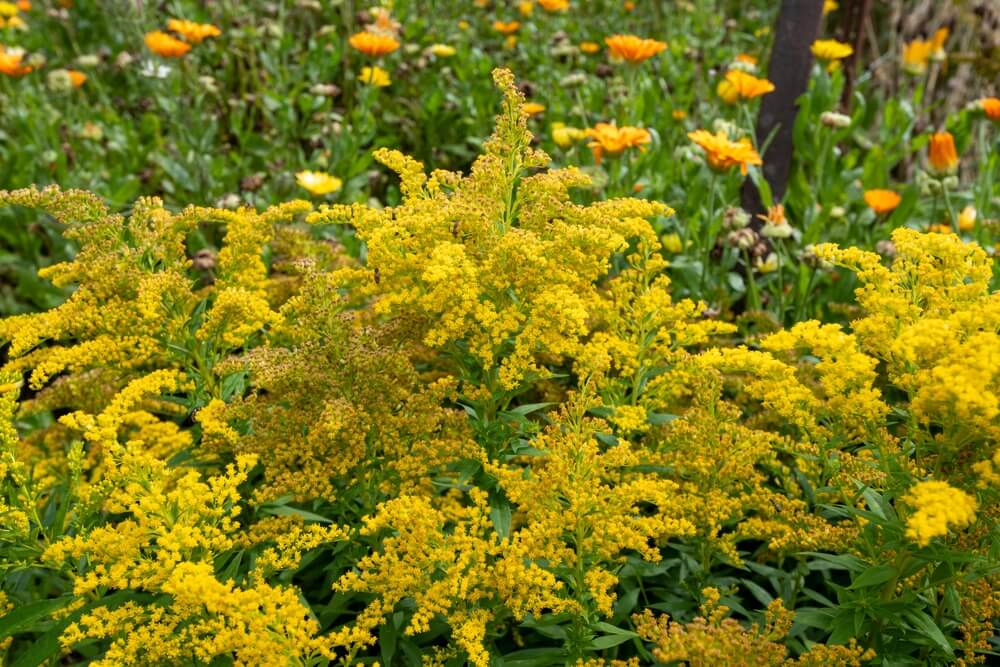
- Wrinkleleaf goldenrod (Solidago rugosa) — best for sunny sites, adaptable to most soils, attractive to pollinators, bright yellow flowers.
- Marsh blazing star (Liatris spicata) — most moisture-tolerant of the Liatris family, large purple or white spikey flowers in summer, tolerate drought when established.
- Virginia bluebells (Mertensia virginica) — best for shady locations, early blooming.
- Woodland stonecrop (Sedum ternatum) — succulent groundcover for shady locations, white flowers in spring.
- Garden phlox (Phlox paniculata) — often sold in cultivated varieties, best in sun, grows like a small bush with large flower heads.
- Cardinal flower (Lobelia cardinalis) — grow in shade to sun, must be planted in moist soils if growing in the sun, intense red flower spikes shoot up vertically at the end of the summer.
- Blue flag iris (Iris versicolor) — grow well in damp soil and full sun, light blue flowers in late spring.
- Jerusalem artichoke (Helianthus tuberosus) — very tall perennials with sunny yellow flowers and edible tubers, versatile to most soils in full sun, birds enjoy the seeds in the fall.
- Queen of the Prairie (Fillipendula rubra) — larger perennials that grow in sun or shade, prefer even moisture if sun-grown, large pink flowers that pollinators love.
- Mountain mint (Pycnanthemum muticum) — a good naturalizer for pollinators, leaves smell strongly of mint if rubbed or crushed.
- Wild indigo (Baptisia australis) — grow in most soils, long-lived, produce large flowers in mid-spring, bushy and reliable.
- Butterfly milkweed (Asclepias tuberosa) — small plants with intense orange flowers in early summer, host plants for Monarch butterflies, tolerate drought once established, best in full sun.
- Swamp milkweed (Asclepias incarnata) — love the sun and tolerate wet soils, vanilla-scented flowers, host plants for Monarch butterflies.
- Common milkweed (Asclepias syriaca) — grow in the sun but tolerate drought, large and spreading, good for naturalizing areas, host plants for Monarch butterflies, summer flowers smell like lilacs.
- Culver’s root (Veronicastrum virginicum) — best in sun to part sun, slow to establish but can grow to impressive sizes.
- Canadian columbine (Aquilegia canadensis) — best in sun to shade, reseed readily but non-invasive.
- Foxglove beardtongue (Penstemon digitalis) — best in sun to part shade, tall spikes of white flowers in late spring.
- Obedient plant (Physostegia virginiana) — grow well in the sun, peculiar flowers hold their position obediently if moved, attract a small harmless beetle which birds eat.
- Foamflower (Tiarella cordifolia) — spreading groundcover for shady areas, bloom with white feathery flowers in spring.
- Bunchberry (Cornus canadensis) — spreading forest groundcover with dogwood flowers, need acidic soil.
- Golden ragwort (Packera aurea) — bright yellow flowers for shady locations.
- Switchgrass (Panicum virgatum) — hardy grass often around marshes and prairies, prefers full sun, great for privacy.
PA Native Ferns for Contrasting Texture
- Royal fern (Osmunda regali) — attractive tall ferns with interesting spore plume, grow in wet soil, best in shade to part sun.
- Cinnamon fern (Osmunda cinnamomea) — similar to royal ferns with more finely dissected foliage, best in shade to part sun.
- Sensitive fern (Onoclea sensibilis) — quick-spreading ferns grown as a groundcover, best in shade.
- Hayscented fern (Dennstaedtia punctilobula) — feathery ferns with a peculiar scent when rubbed or clipped, best in shade.
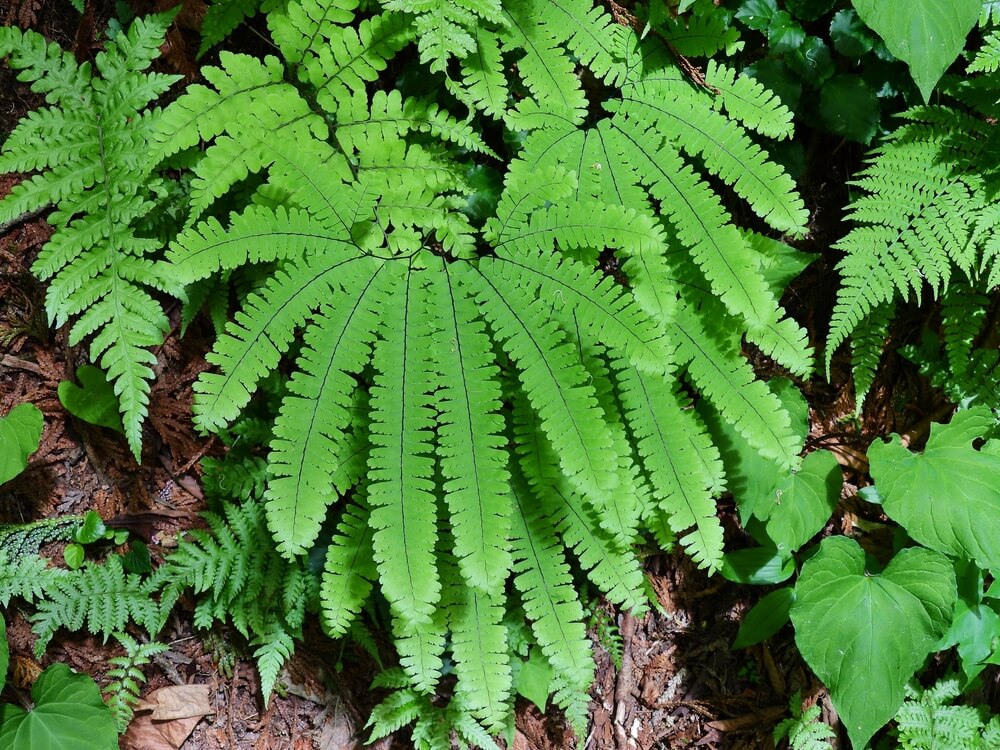
- Northern maidenhair fern (Adiantum pedatum) — odd hand-like fronds have the curious ability to repel water droplets off their surface, grow well in moist shady areas.
- Christmas fern (Polystichum acrostichoides) — leaflets look like a tiny Christmas stocking (hence the name), thrive in the shade in dry or moist soil, stay green all winter.
Tired of Invasive Plants? Make the Switch.
| Invasive Plant | Swap To (Native Alternative) | Why It’s a Better Choice |
| Callery (Bradford) Pear | Serviceberry (Amelanchier) | Similar white flowers, but provides edible berries, vibrant fall color, and the wood won’t split in PA’s summer storms. |
| Burning Bush | Virginia Sweetspire (Itea virginica) | Provides longer-lasting red fall color while feeding local pollinators. |
| Japanese Barberry | Winterberry Holly (Ilex verticillata) | Has the same deer resistance and red berries without the invasive spread. |
| English Ivy | Golden ragwort (Packera aurea) | Offers a lush green carpet that’s mostly evergreen, with yellow flowers in the spring. |
PA Native Plant FAQs
What are the best native plants for Central Pennsylvania?
The best native plants for Central PA include the Eastern redbud for spring color, switchgrass for privacy, and purple coneflower for pollinator support. These species are adapted to PA’s humid climate and clay-heavy soils, requiring significantly less water than non-native ornamentals once established.
Where can I buy native plants?
You can buy native plants at any PA native plant store, like Stauffers of Kissel Hill. Find a store near you or shop our premium plants online.
Are there native plants in PA that deer won’t eat?
Yes, there are plenty of native plants in PA that deer won’t eat. Bee balm, coneflower, viburnum, foxglove, and many herbs are all deer-resistant and will look great in your garden.
What are the best PA native plants for privacy?
The best PA native plants for privacy include: Arrowwood viburnum, sweetbay magnolia trees, Virginia creeper, coral honeysuckle, American wisteria, switchgrass, Joe Pye weed, and giant sunflowers.
What are the best PA native groundcover plants to replace a lawn in Lancaster?
Creeping phlox, golden ragwort, foamflower, or bunchberry are our team’s favorite PA native groundcover plants to replace your lawn!
When should I plant my PA natives?
Our garden experts recommend planting your natives in the fall or spring. September to November is best for perennials, trees, and shrubs to establish their roots before the cold winter hits (and without the stress of summer heat). Once the ground warms up, March to May is another great timeframe to plant your grasses and perennials.
What invasive plants should I avoid planting in Pennsylvania?
Invasive plants leave native plants to fight for nutrients, space, and other resources. They are aggressive growers and can often survive and reproduce under adverse conditions, essentially pushing native plants out of the growing space.
The most common Pennsylvania invasive plants to avoid are:
- Garlic mustard
- Japanese barberry
- Callery (Bradford) pear
- English ivy
- Burning bush
- Butterfly bush
- Tree-of-Heaven
- Shrub honeysuckle
- Bamboo
Ready to Get Growing?
Find all your favorite PA native plants at your nearest Stauffers of Kissel Hill Home and Garden Center. Save $5 on your first purchase of $25 with our app!