
8 Best Drought-Tolerant Plants for Easy PA Gardening
May 18, 2026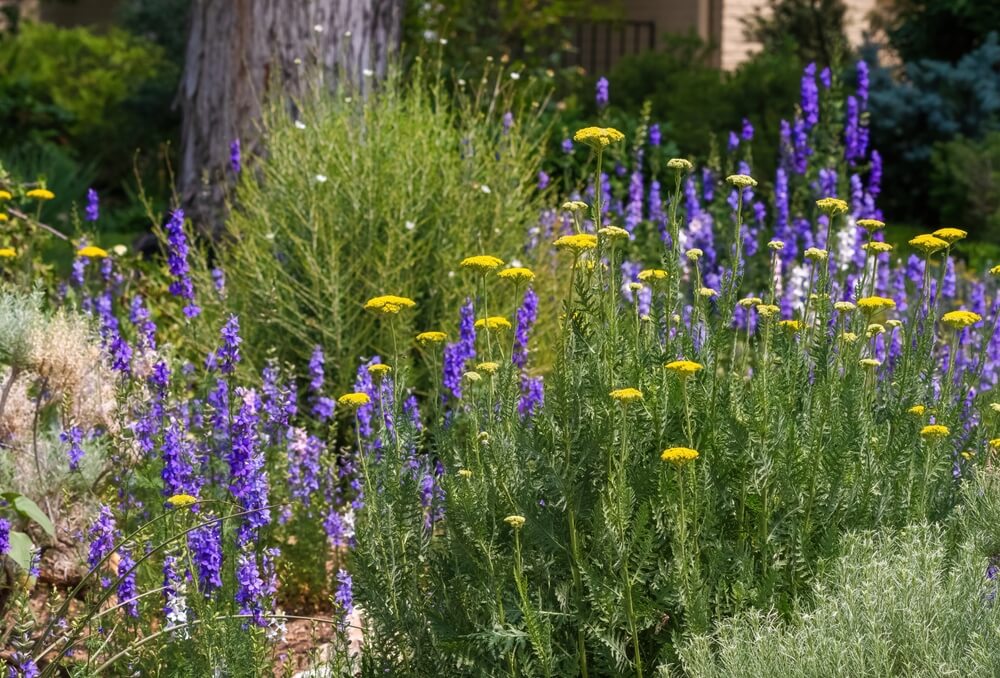
Low-water landscaping doesn’t mean a yard full of cacti… unless that’s your thing. Instead, look for plants that work with Pennsylvania’s unpredictable weather, so you don’t have to constantly babysit your beds.
Drought-tolerant plants aren’t just about surviving dry spells. They’re about thriving through them, with bold colors, interesting textures, and surprisingly little fuss. Our landscaping team put together their eight go-to picks that thrive right here in Central PA, even when the rain decides to take a vacation.
What Are the Benefits of Xeriscaping?
Xeriscaping is a landscaping method that minimizes water use. And with the right drought-tolerant plants, you can xeriscape with elegance!
But don’t get too excited. Drought-resistant plants still need water and care from you, just not as much as regular plants (especially once their roots are established after 1–2 years). Each plant is different in how they conserve water. Some have a coating on their leaves to limit water loss, while others develop deep root systems to survive dry spells.
Here are some benefits of xeriscaping:
- It’s less work for you. Xeriscape plants are low-maintenance and don’t need much extra watering to survive.
- It decreases your water usage. That means a lower water bill each month!
- It looks good, no matter what. With drought-tolerant plants, weather fluctuations won’t kill the beauty in your landscaping.
- It’s good for local ecosystems. Since many low-water plants are native, they provide homes and food for crucial insects and birds.
- It’s beneficial for the soil. Drought-resistant plants have very deep roots to help them survive, which create tunnels for water and air to flow, improving the soil structure and fertility.
- It has a variety of options. There are so many drought-tolerant plants to create a beautiful garden full of color and personality.
8 Drought-Tolerant Plants Our Gardeners Love
Succulents and cacti are the obvious answer, but not everyone wants a desert garden. Instead, our landscapers curated this list of the eight best low-water plants for your Pennsylvania home.
Get Our App and Save $5 Instantly
Download our home and garden app and save $5 on your first purchase of $25 or more using promo code: WELCOME.


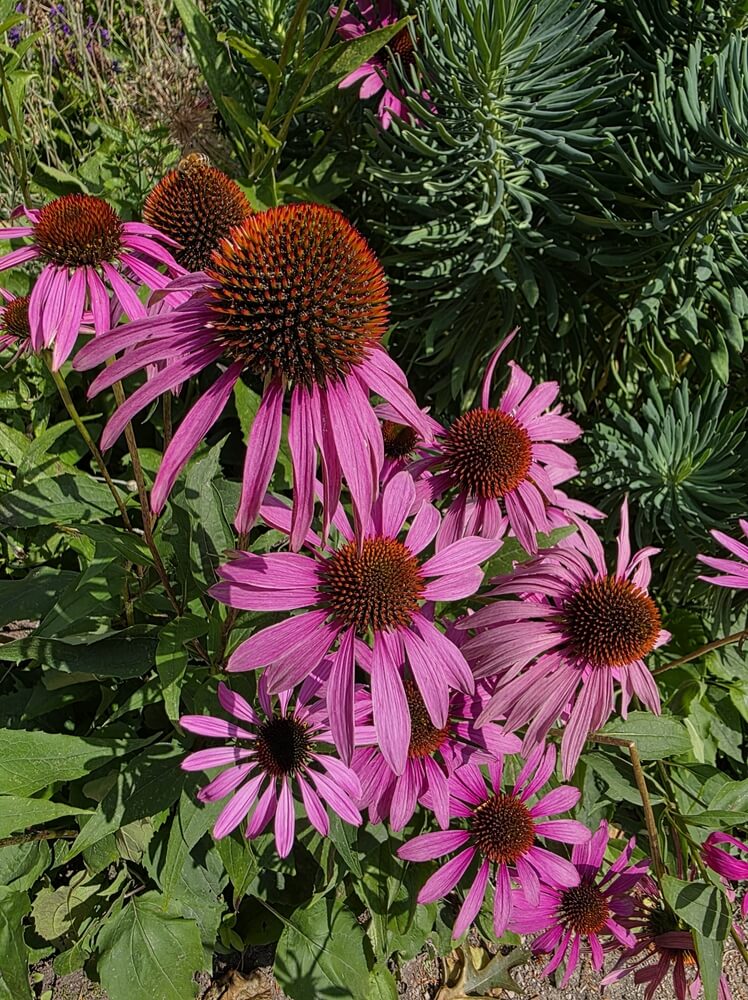
1). Purple Cone Flower
(Echinacea purpurea)
Cone flowers come in all different colors. They prefer moist, well-draining soil, but once established, they are extremely drought-tolerant. Cone flowers attract pollinators and provide seeds to songbirds, so they are a great addition to your garden. Plus, deer are not usually a fan, preferring a tastier treat.
- Sun: Full sun or partial shade
- Blooms: Mid-summer to early fall
- Maintenance: Avoid overcrowding by dividing them every 3–4 years
- Stauffers pro tip: If you’re looking for companion plants, we recommend lavender or salvia
2). Blanket Flower
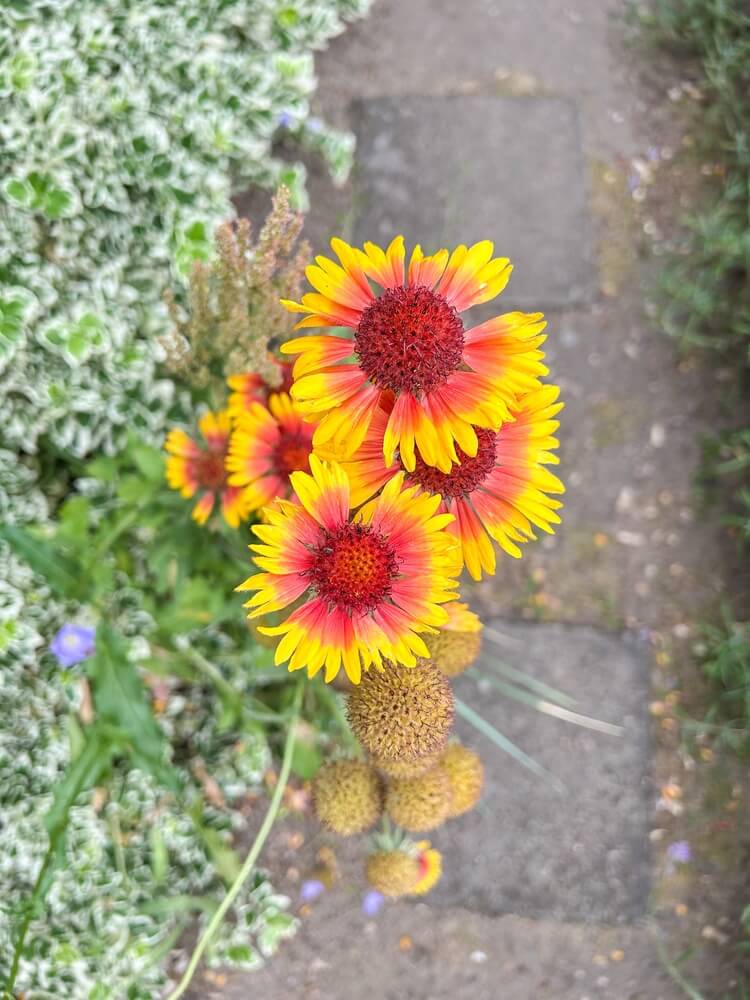
(Gaillardia spp.)
This colorful wildflower is extremely low-maintenance. All it needs is some well-draining soil and direct sunlight to produce beautiful, fiery blooms. This nectar-rich plant attracts all sorts of pollinators to your yard. It’s also resistant to rabbits, deer, heat, and drought—making it a xeriscaping dream.
- Sun: Full sun
- Blooms: Late spring through fall
- Maintenance: Cut back the stems when the flowers fade to encourage fall blooming
- Stauffers pro tip: Avoid clay soil, heavy fertilizer, and overwatering
3). Ice Plant
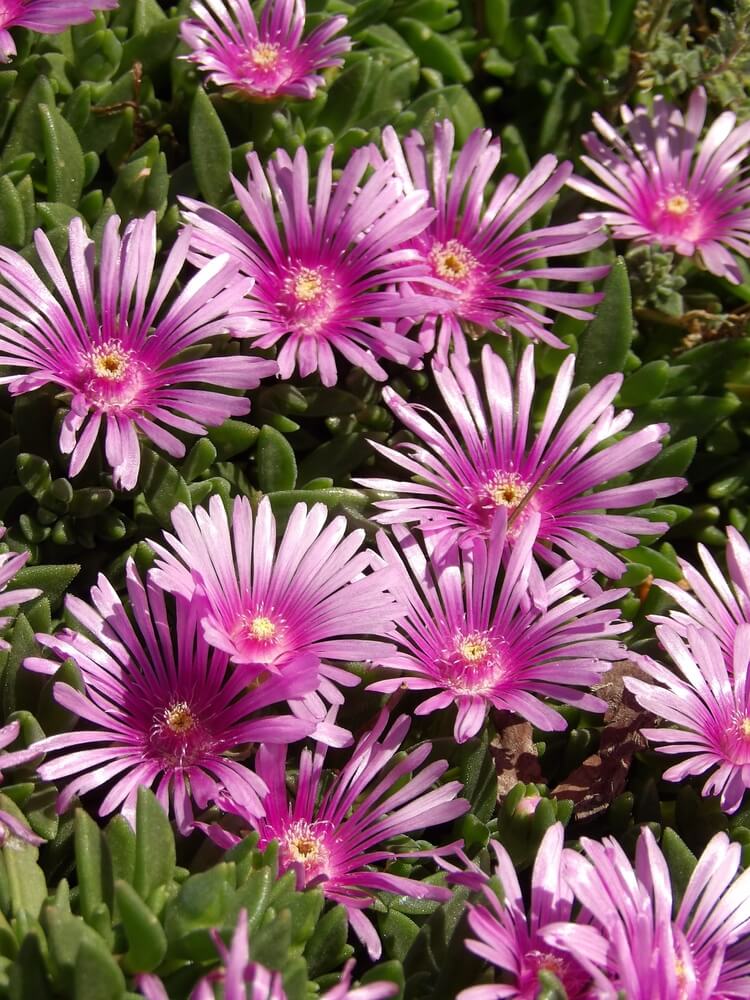
(Delosperma)
Want something hardy and adaptable? Ice plants are your friend. This succulent groundcover is low-growing and spreads quickly. It needs well-draining soil (sandy or loamy soil is often best). They thrive in shallow pots or as “spillers” in container gardens. The flowers come in all sorts of colors—pink, yellow, white, orange, magenta—and it’s named after the ice-like crystals on its foliage.
- Sun: Full sun
- Blooms: Late spring through fall
- Maintenance: In mid-spring, prune dead stems
- Stauffers pro tip: Space your ice plants at least a foot apart, since they’ll spread before you know it
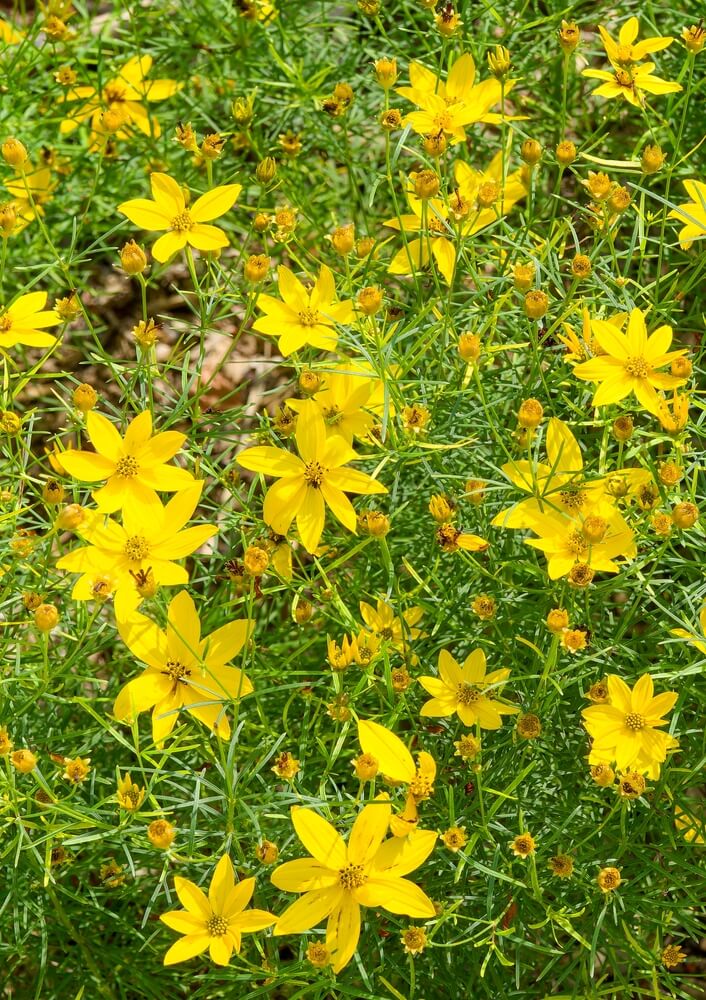
4). Threadleaf Coreopsis
(Coreopsis verticillata)
Known for its bright yellow flowers, this perennial can grow up to three feet tall. It’s deer-resistant and a pollinator magnet, so get ready to share your garden with butterflies and bees. Popular cultivars of this flower include ‘Moonbeam’ and ‘Zagreb.’ Grow this plant in well-draining, slightly acidic soil for best results.
- Sun: Full sun
- Blooms: Late spring to early fall
- Maintenance: Pinch off spent flowers to extend bloom time
- Stauffers pro tip: Space plants one or two feet apart
5). Butterfly Weed
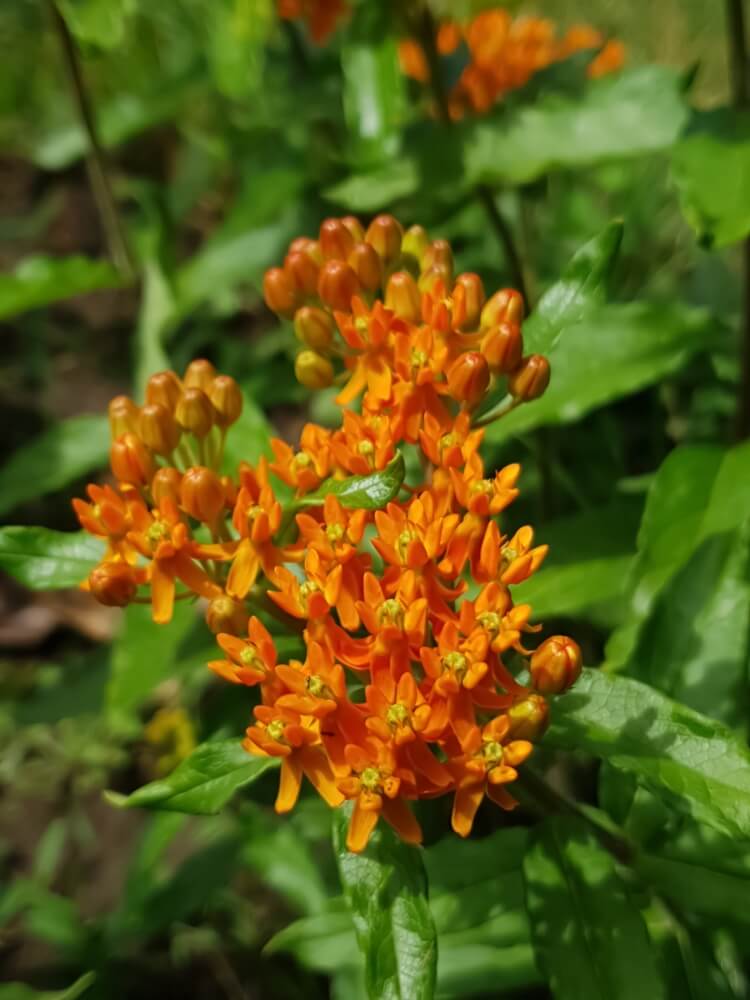
(Asclepias tuberosa)
This native perennial is easy to spot! Just look for flat-topped orange flowers (and probably a swarm of pollinators). Its name comes from one of its crucial contributions to the local ecosystem: hosting Monarch butterfly caterpillars. It likes sandy or rocky soil, so it’s a must-have for your xeriscaped yard. The foliage and flowers of this plant are toxic if ingested in large quantities, so be careful! But the good news—it doesn’t taste good, so most animals avoid it anyway.
- Sun: Full sun
- Blooms: Mid-summer to early fall
- Maintenance: Deadhead and watch out for aphids, which can be removed with a spray of water
- Stauffers pro tip: Avoid fertilizing or planting in soggy areas of your yard
6). May Night Sage
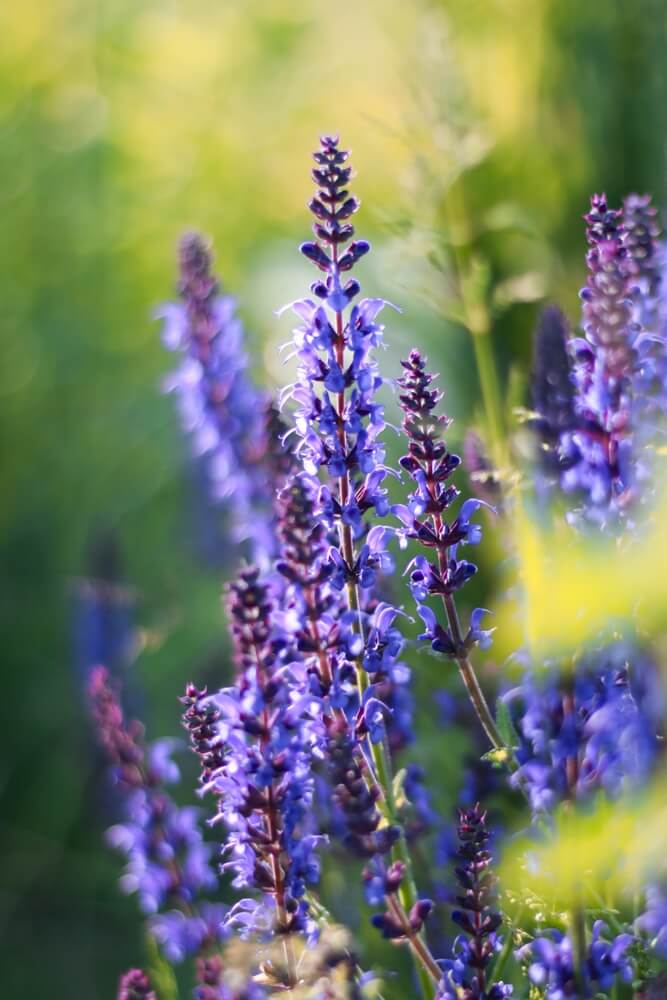
(Salvia x sylvestris ‘May Night’)
This perennial produces indigo blooms that are absolute show stoppers in any garden. Its fine texture, evergreen leaves, and adaptability to different moisture conditions make it a great choice for those who want something low-maintenance. It can grow up to 24 inches tall and attracts pollinators without attracting deer.
- Sun: Full sun
- Blooms: Late spring to early summer
- Maintenance: Remove faded flowers and cut the plant down to the basal foliage after the first bloom
- Stauffers pro tip: Space plants 15 inches apart
7). Foxglove Beardtongue
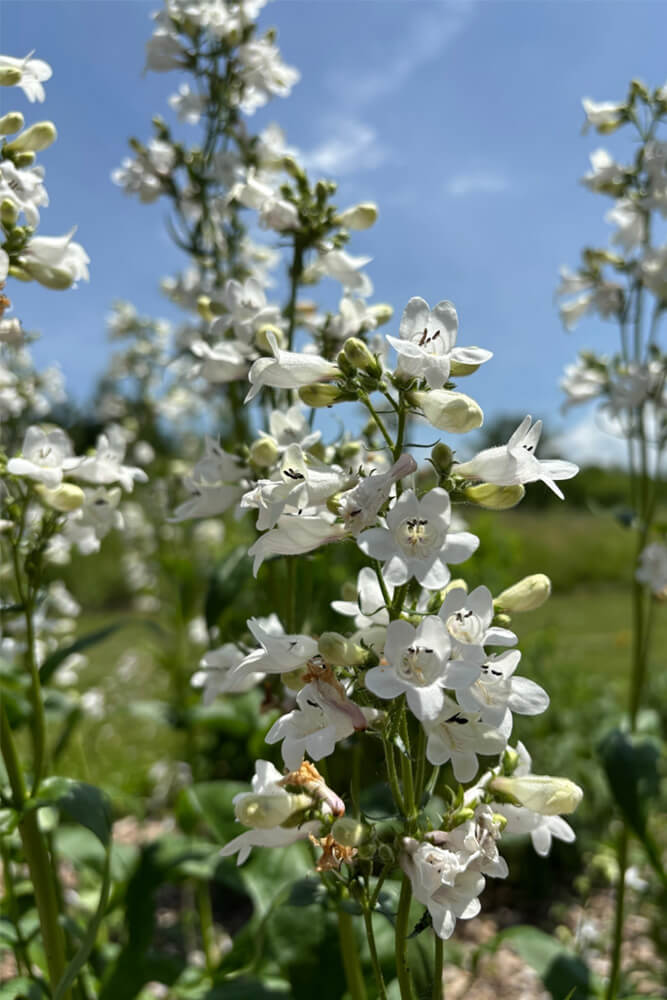
(Penstemon digitalis)
This native perennial can grow up to 30 inches tall with flowers. Its leaves start burgundy in the spring and turn green with a lovely purplish tinge. Beardtongue is great if you want to attract hummingbirds or butterflies. It thrives in dry conditions, but grows quickly—so watch out!
- Sun: Full sun to partial shade
- Blooms: Early to mid summer
- Maintenance: Clean up in early spring before it blooms
- Stauffers pro tip: Plant in groups to make it more visually impactful
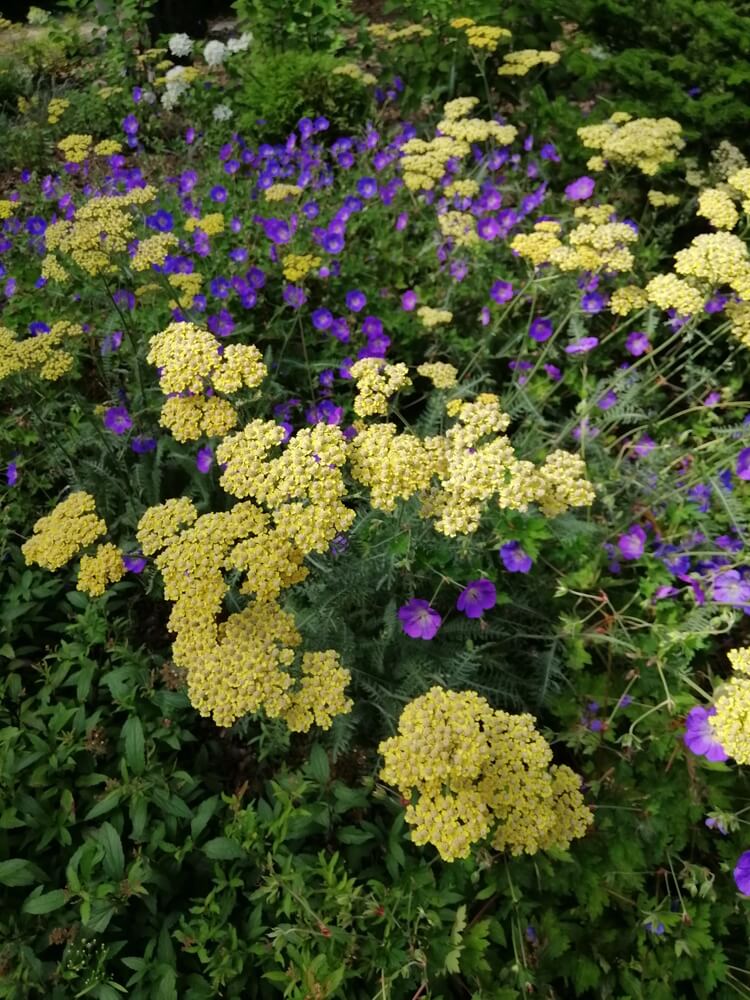
8). Yarrow
(Achillea spp.)
This PA native is a wildflower classic. It produces flat-topped flowers, just like butterfly weed, and is also great for pollinators. It’s an extremely adaptable, deer-resistant, and fragrant plant, ideal whether you’re a beginner gardener on your first run or a pro who doesn’t need any help.
- Sun: Full sun
- Blooms: Late spring to early fall
- Maintenance: Deadhead to encourage more blooms later in the summer
- Stauffers pro tip: Skip the fertilizer—they don’t need any help to grow
Tips for a Drought-Tolerant Garden
Now that you have a list of the best low-water plants, it’s time to plan your actual garden. Here are some tips to make the most of it.
- Group your drought-resistant plants together to create a low-maintenance zone in your yard.
- Make sure your soil has good drainage so they don’t sit in water.
- Space out your plants enough so they don’t compete for room or nutrients.
- Mulch to help conserve moisture and limit how often you need to water them.
- Pay close attention in their first year or two as your xeriscape plants establish strong roots.
Xeriscaping FAQs
How often do you have to water drought-tolerant plants?
Even drought-tolerant plants need deep watering in their first year to survive PA’s freeze-thaw cycles. Once they are established, you can usually just water them once or twice a month, but it depends on how much rain you’ve gotten! Consistent, heavy rain means less work for you.
If your plants are in a container, they will dry out much faster than if they are planted in the ground. Give them a little TLC every week.
What are the signs I’ve overwatered my plants?
Monitor the leaves of your plants! If they turn yellow or start drooping, you know you’ve given them a little too much love. Also watch out for mushy brown stems.
What are the signs I’ve underwatered my plants?
Underwatered plants will have dry and crispy leaves, often curling at the edges. The soil will be extremely dry and might even lift away from the pot. At first glance, your plant may look similar to an overwatered plant, but remember to look for brittle leaves. The good news? A quick watering will usually lead to a full recovery.
Can you plant succulents outside?
Yes, you can plant succulents outside. However, they require specific care instructions. Some need to be brought indoors ahead of the cold, but others (like Hens and Chicks) are hardy and can tolerate the frost.
Shop For Drought-Tolerant Plants Near You
Create the low-maintenance garden of your dreams. Shop plants online or in person and enjoy our No-Worries Return Policy so you can grow with confidence.