
3 Best Types of Mulch For Your Pennsylvania Garden
April 28, 2026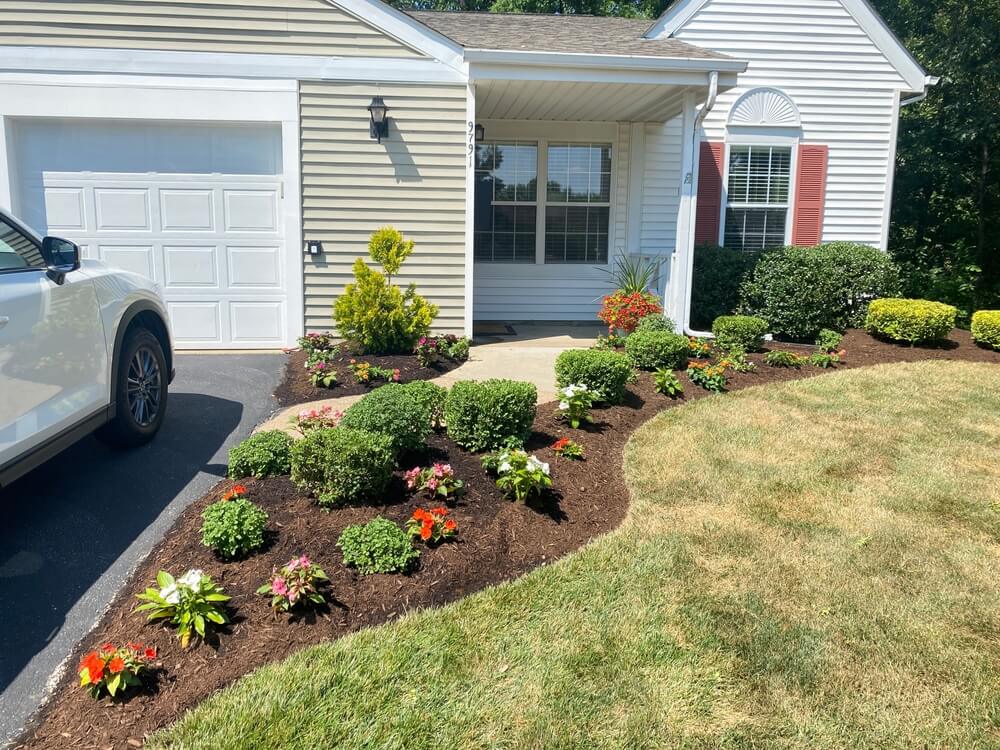
Take the mystery out of mulching! This guide from our expert landscaping team will cover essential questions, such as: what are the different types of mulch we recommend? Does type of mulch matter? And which type is best for my Pennsylvania yard?
What Is Mulch and What Does It Do?
Mulch is anything that you spread over your soil to improve the look of your landscape beds. It can be made of a variety of materials, but more on that below.
What does mulch do? It has several major benefits, including:
- Locking in moisture so your plants don’t go thirsty. How? It prevents water from evaporating too quickly—so yes! That means you don’t have to water your beds as often.
- Stopping weeds from taking over your garden. How? It acts as a roof, blocking sunlight from reaching the weed seeds.
- Regulating the temperature of your soil. How? It insulates so the ground doesn’t get too hot or too cold.
- Improving the look of your flower beds. How? It adds a crisp, uniform look with high contrast against your plants.
Basically, mulch is the missing piece of the puzzle for a beautiful, low-maintenance garden.
Dreading Mulch Day?
Get mulching help from our professional landscaping team! We offer mulch delivery and mulch spreading in Central PA, for whatever level of help you need.
Quick Comparison: What Type of Mulch is Best for a PA Garden?
Does type of mulch matter? Yes, it does! Different types of mulch impact the soil and plants in different ways. What type of mulch is best for you depends on the cost, its visual appeal, and where you’ll be using it.
| Mulch Type | Longevity | Cost | Visual Appeal | Best For |
| Shredded Hardwood Mulch | Replace once a year | Inexpensive (dyed = more expensive) | Classic, clean look (available in colors) | Shrubs, trees, flower beds |
| Bark Mulch | Replace once a year | Inexpensive (dyed costs more) | Classic mulch look | Shrubs, trees, flower beds, hills |
| Stone Mulch | 5+ years | Expensive | Clean, polished, variety of styles | Pathways, slopes, drought-tolerant plants |
Types of Mulch: Organic
The first category of mulch we’ll cover is organic mulch. All types of organic mulch are made out of living materials. Its major benefit is that it decomposes over time, adding nutrients to the soil and building out the microbiome. However, that means you have to replace it more often.
What is a soil microbiome? It’s the community of billions of microorganisms living in the layers of soil, like a miniature city! You can find all types of organisms, including fungi and bacteria, to name a few. These are extremely beneficial to the health of your soil and plants.
Below, we’ve picked our top two types of mulch that we recommend for Pennsylvania yards. While there are other types beyond these two, these are your best bet to see improved curb appeal and healthier growth.
Type 1: Shredded Hardwood Mulch
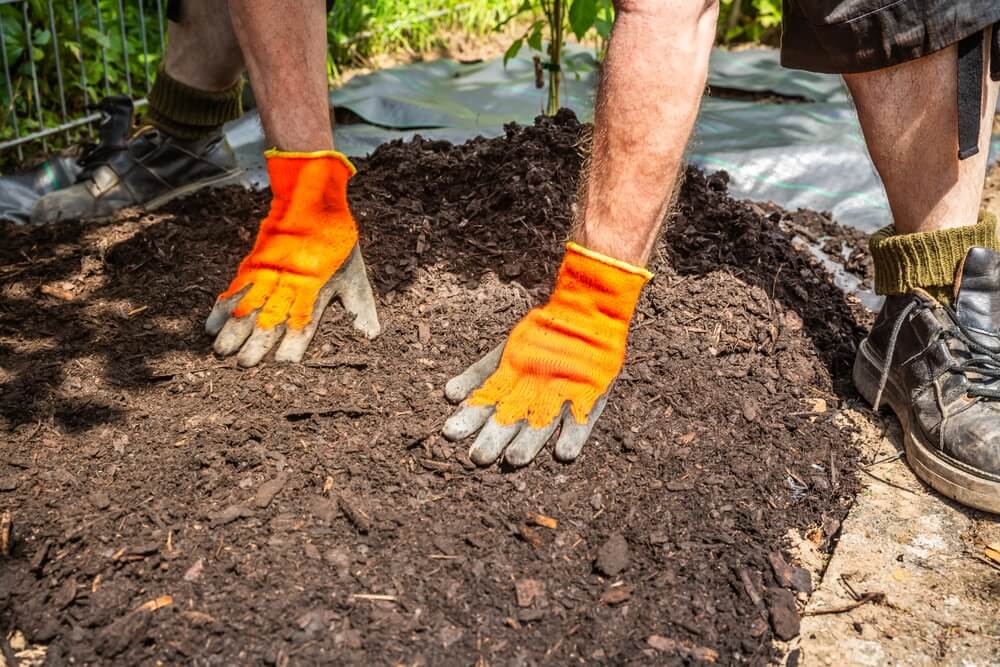
This type of mulch is a classic and is highly recommended by our landscaping team. It can be found at any garden center, often dyed different colors like brown, black, or red. Shredded mulch comes in smaller pieces than other types, helping it break down quickly. But you know what that means—it’ll be time to replace it sooner.
Hardwood mulch is a byproduct of the lumber industry. It’s made from recycled and shredded hardwoods from things like pallets, tree branches, and other wood projects.
- Appearance: Classic mulch look
- Replacement: Every year
- Where to use it: Shrubs, trees, flower beds, and hills (because it won’t get swept away)
- Cost: Widely available and inexpensive (dyed mulch is more expensive)
STAUFFERS PRO TIP: Shredded hardwood mulch helps to maintain moisture and is a personal favorite for adding curb appeal.
Type 2: Bark
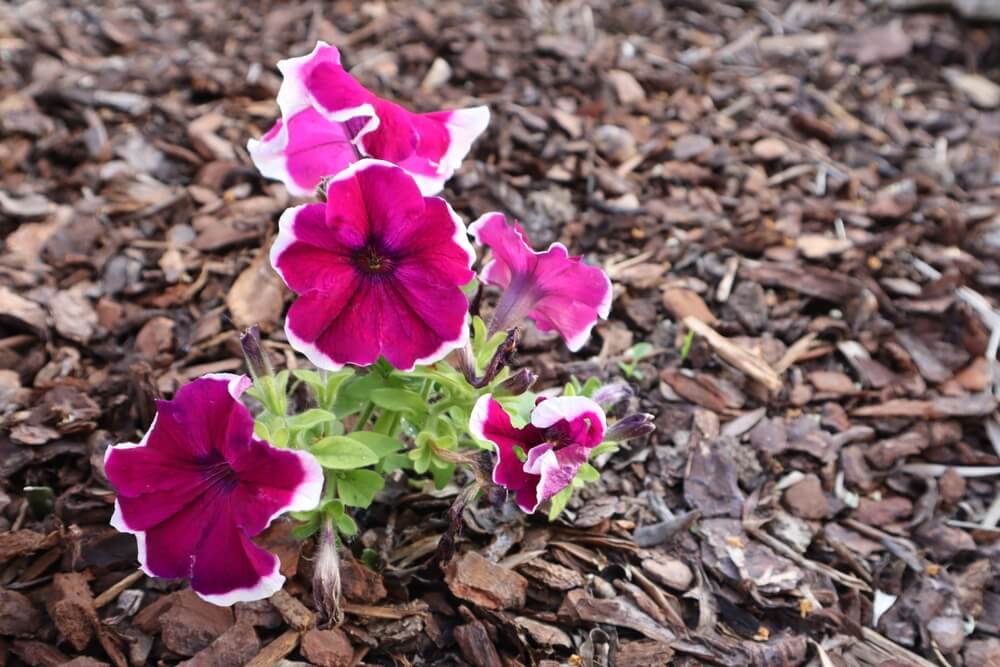
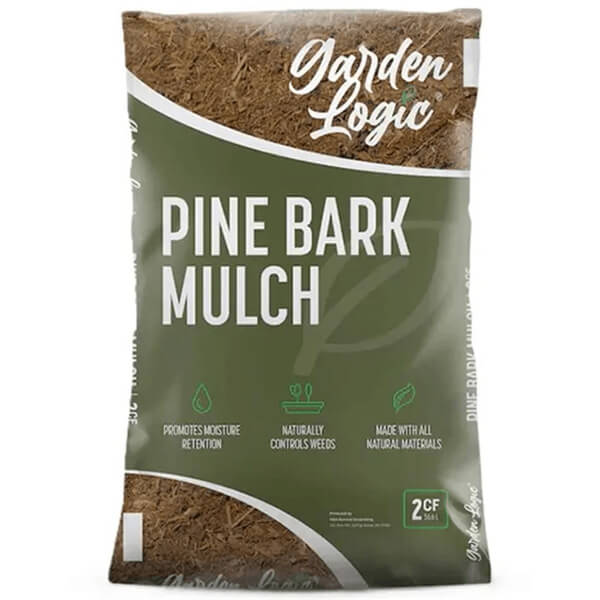
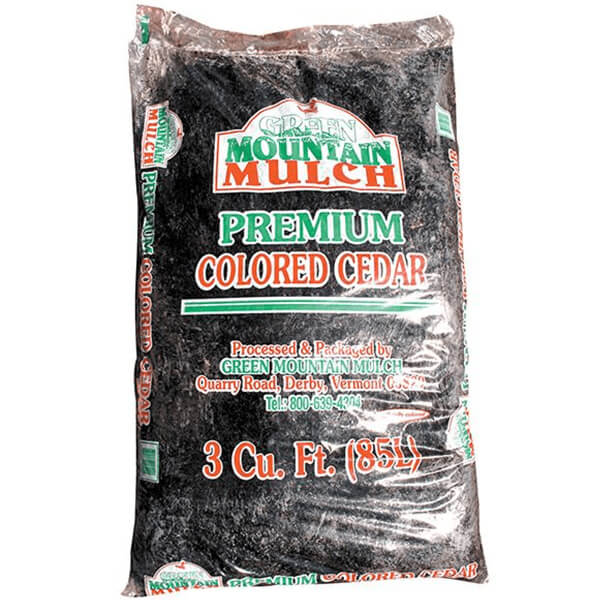
Bark mulch is very similar to hardwood, but with one main difference—it’s only made of tree bark, not other woods, and it typically breaks down more slowly. Bark mulch can be shredded or cut into nuggets and can be made of different species of wood. The two most common types of bark mulch are hardwood and pine trees.
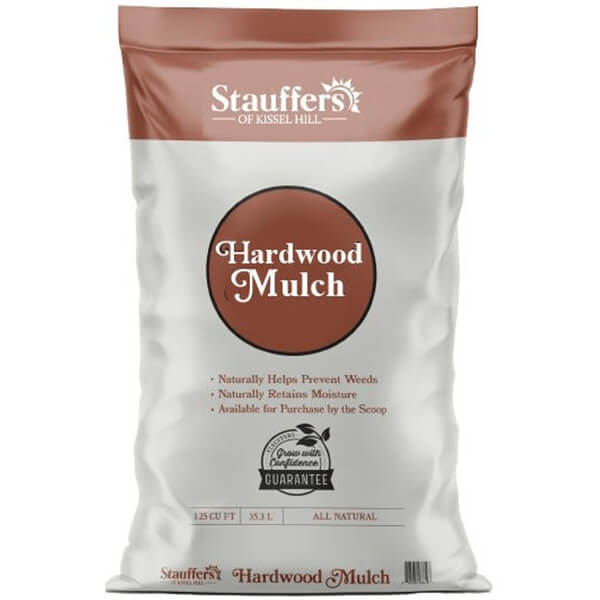
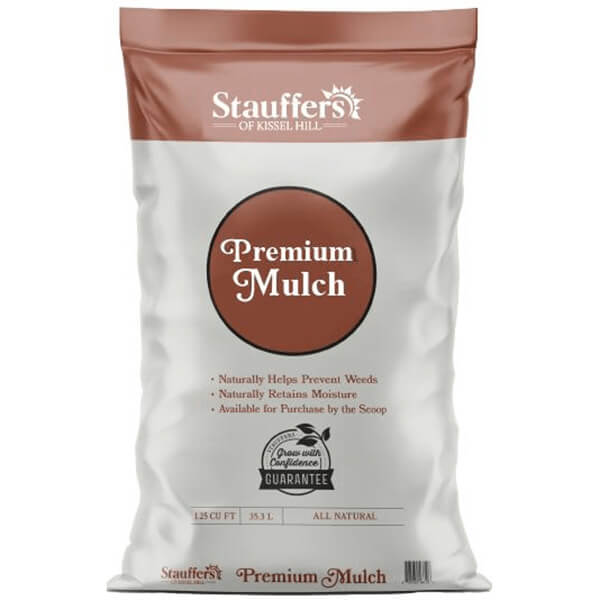
Pine bark mulch has a dark color. However, the nuggets can easily get washed away in the rain, so be mindful not to place them on hills. At Stauffers of Kissel Hill, we offer several mulch options that are 100% hardwood bark, including our premium mulch and our black bark mulch.
- Appearance: Classic mulch look
- Replacement: Every 1–2 years
- Where to use it: Shrubs, trees, and flower beds
- Cost: Bark mulch tends to be more expensive
STAUFFERS PRO TIP: Pine mulch increases the acidity of your soil, making it a favorite for hydrangeas, azaleas, blueberries, rhododendrons, and other acid-loving plants.
Types of Mulch: Inorganic
Inorganic mulches are made of non-living materials, which means they do not decompose or enrich your soil. On the bright side, they don’t have to be replaced nearly as often. Below is the most popular type of inorganic mulch that we recommend.
Type 1: Stones
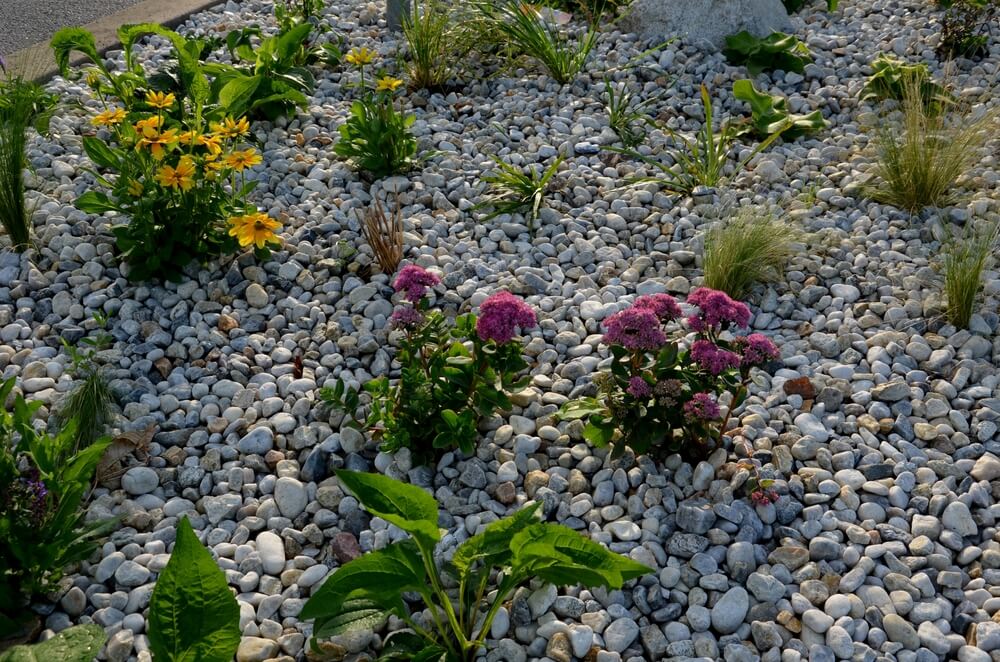
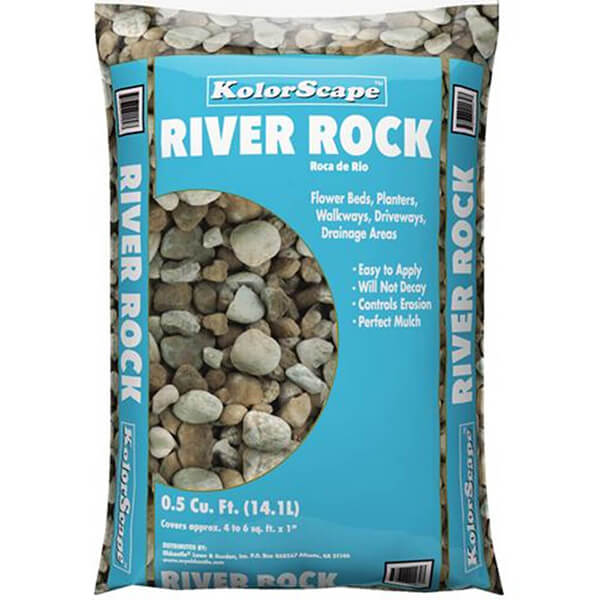
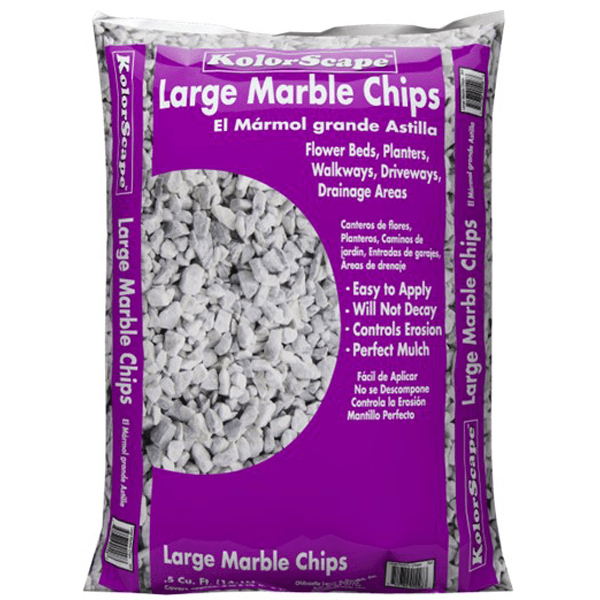
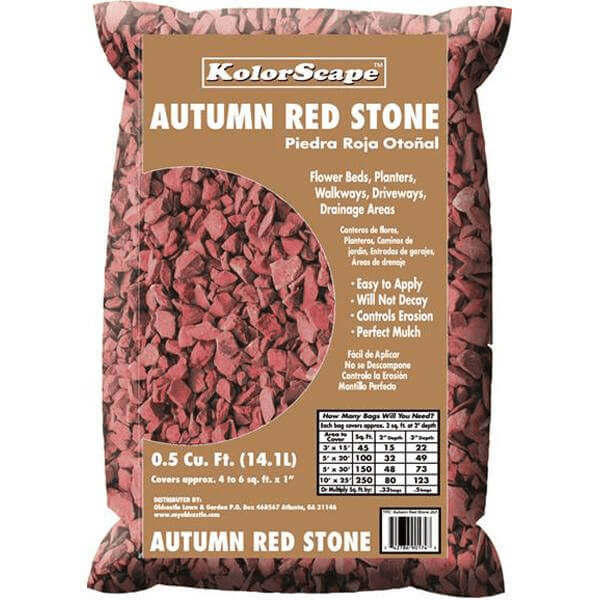
Stones are great at reducing weeds and are extremely pleasing to look at. They come in a variety of styles, including gravel, river rock, and marble chips. Plus, they help prevent erosion and don’t blow away during a storm.
Sometimes, stones can reflect heat upwards, so don’t use them with plants that are sensitive to heat or that love the shade. Like all inorganic mulch, stones don’t add any nutrients to the soil. That’s why we recommend adding some fertilizer to your beds to give your plants a boost.
- Appearance: Clean look with a variety of styles
- Replacement: Can last for 5+ years
- Where to use it: For drought-tolerant plants, on slopes, or around pathways
- Cost: Expensive but readily available
STAUFFERS PRO TIP: Stone mulches can absorb the heat from the sun and dry out your flowerbeds. Try to avoid using them around plants.
How Do I Pick the Best Mulch Color?
Picking mulch color is about personal preference and aesthetics. Here’s an overview of the most common colors:
- Black Mulch: As a darker color, it adds greater contrast against your plants.
- Brown Mulch: This color blends very well into the landscape, letting your plants’ natural colors shine. And at first glance, it looks very similar to soil!
- Red Mulch: This is a more unexpected option that can complement the green of your lawn and act as a statement item in your landscaping.
Frequently Asked Questions About Mulching
Where can I buy mulch?
You can buy mulch at any local garden center! Stauffers of Kissel Hill offers many types of mulch at our locations in Lititz, Lancaster, York, Dover, Mechanicsburg, Harrisburg, and Hummelstown. Don’t want to make the trip to the store? We also deliver!
How do I lay mulch?
Start by cleaning out your beds and wetting the soil. Then spread your mulch 2–4 inches thick. Make sure to leave room around the stems and trunks of all your plants to avoid mulch volcanoes. For more details to make sure you do it right, read our full guide on how to lay mulch.
How often should I mulch?
We recommend mulching every year in the spring or fall. Depending on the type of mulch you choose, you may have to top it off more often than that.
How much mulch should I buy?
Use our handy mulch calculator to figure out exactly how much mulch to buy!
Which mulch is safest for pets (non-toxic)?
All natural mulches are non-toxic and safe for pets. At Stauffers, none of our mulch is chemically treated, and our dyed mulches are all organically safe. But be careful with stones! Jagged rocks may hurt your pet’s paws.
How do I prevent mulch from washing away on a slope?
Bark mulches are your best bet for hills because they lock together and pack tightly, which keeps them in place.
Buy Mulch At Your Local Stauffers
Ready to get mulching? Find dozens of mulch options at your nearest Stauffers of Kissel Hill Home and Garden Center.