
The 9 Best Privacy Plants for Your Pennsylvania Yard
March 11, 2026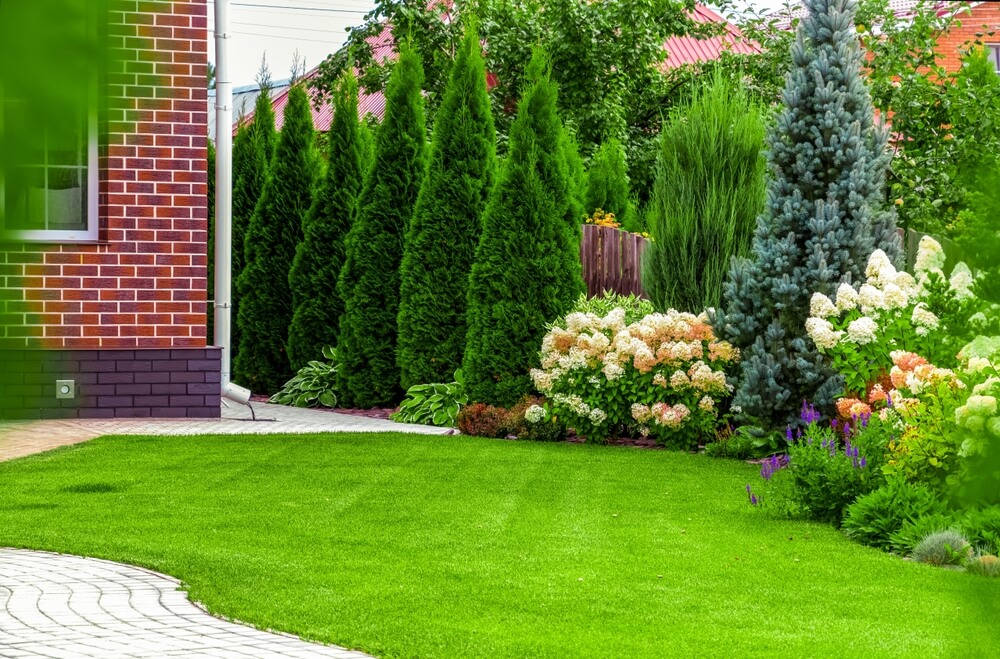
Nosy neighbors? No thank you! We all want a little privacy, especially when we’re enjoying a quiet night outside, swimming in our pool, or having fun with friends. But a dividing wall or fence isn’t always the look we’re going for. Instead, keep things natural with these nine privacy plants that are easy to grow in Pennsylvania.
How to Choose Privacy Plants for the PA Climate (Zone 7a)
Success in central Pennsylvania depends on resilience. Our region is famous for “weather whiplash”—swinging from humid 95°F July afternoons to sub-zero January nights with heavy snow.
To ensure your investment survives PA’s unique challenges, start with native plants that you know can handle the climate. Next, focus on evergreens so your privacy wall doesn’t completely disappear over the winter.
Here are some local challenges to watch out for:
- The Soil Challenge: Much of our local soil (from Lancaster to State College) is heavy, limestone-based clay. It holds nutrients well but drains poorly. If your yard has wet feet after a spring rain, swap sensitive junipers for arrowwood viburnum or switchgrass, which are adaptable to different environments.
- The Pest Buffer: To protect against local pests like bagworms or the spotted lanternfly, avoid a monoculture. A mixed screen of evergreens and native shrubs ensures you won’t lose your entire privacy wall to a single infestation.
- The Deer Drawback: Many gardeners struggle with deer destroying their plants before they grow to maturity. Make sure you prioritize deer-resistant plants or install safeguards to keep your garden healthy.
Ready to start shopping? Download our Home & Garden app and get an instant $5 off a $25+ purchase. Use promo code: WELCOME.


What Are the Best Plants for Privacy: Quick Comparison Table
| Plant Name | Type | Mature Height | Sun Needs | Evergreen? |
| Green Giant Arborvitae | Tree | Up to 60′ | Full to Partial Sun | Yes |
| Arrowwood Viburnum | Shrub | Up to 10′ | Full to Partial Sun | No (Native) |
| Sweetbay Magnolia | Tree | Up to 20′ | Full to Partial Sun | No (Native) |
| Virginia Creeper | Vine | Up to 50′ | Full Sun | No (Native) |
| Coral Honeysuckle | Vine | Up to 20′ | Full Sun | Semi-Evergreen (Native) |
| American Wisteria | Vine | Up to 30′ | Full Sun | No (Native) |
| Switchgrass | Grass | Up to 6′ | Full to Partial Sun | No (Native) |
| Joe Pye Weed | Perennial | Up to 8′ | Full to Partial Sun | No (Native) |
| Giant Sunflower | Flower | Up to 16′ | Full Sun | No (Native) |
Shrubs and Trees
Green Giant Arborvitae
(Thuja standishii x plicata)
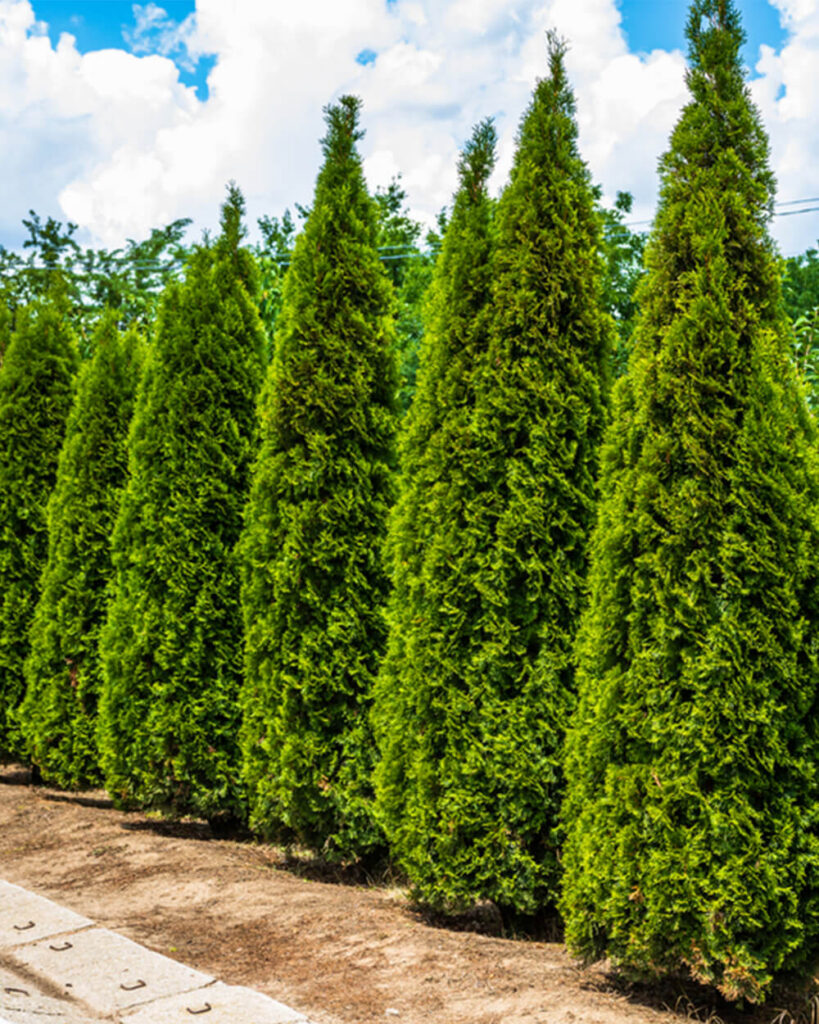
As the name implies, this tree makes a great privacy screen all year long. Its dense evergreen foliage blocks prying neighbors and looks great while doing it. It grows quickly, up to three feet a year, reaching a mature height of 60 feet. And it’s deer resistant!
Along with green giant, there are other versions of arborvitae that can add some variety to your privacy walls. Consider emerald green arborvitae for a smaller space or globe arborvitae for a rounded shape.
- Water: Water young trees deeply 1–2 times a week. Once established, they are drought tolerant but need to be watered in the dry season.
- Sunlight: Full to partial sun.
- Soil: Well-draining soil.
- Spacing: Plant about six feet apart.
- Fertilizer: Apply a balanced, slow-release fertilizer in early spring.
- Mulching: Add two inches of mulch to retain moisture.
- Pruning: Prune as needed to remove dead branches and maintain their desired shape.
Arrowwood Viburnum
(Viburnum dentatum)
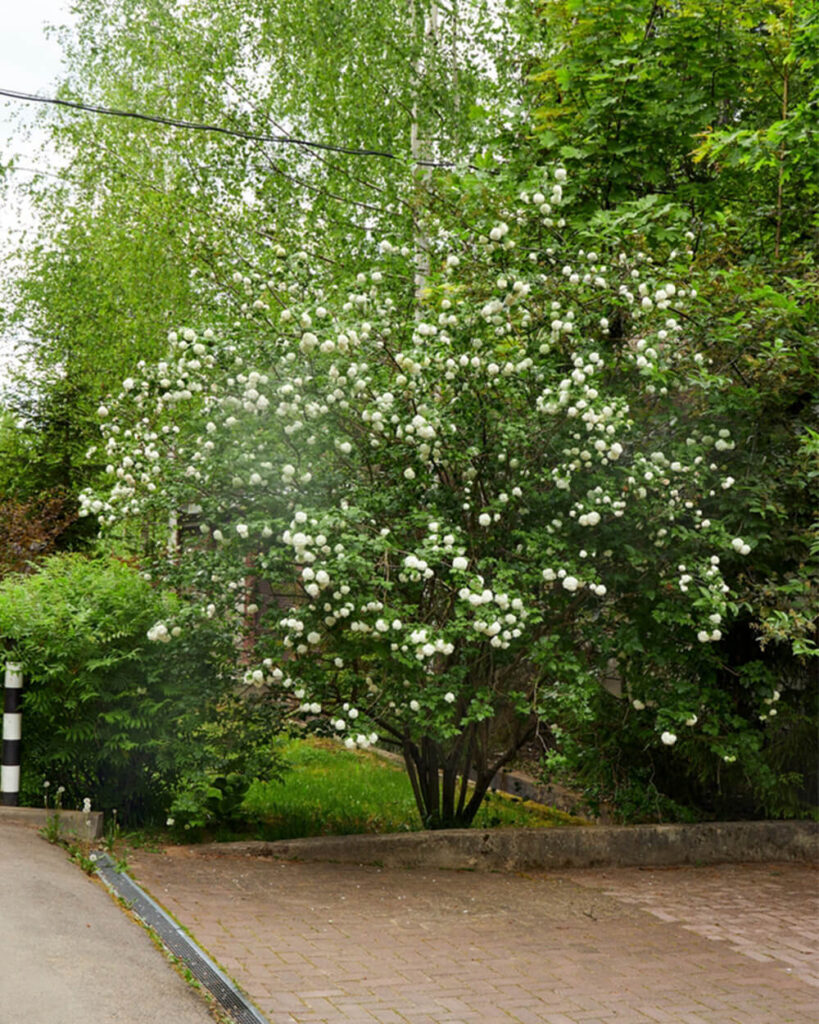
The shrub is native to PA and is often used for hedging around a patio or yard. With it, you get several looks with just one plant: white flowers in the spring, dark berries in the summer, and fiery foliage in the fall.
Another benefit of this privacy plant is that it attracts pollinators to your home. It can get up to ten feet tall and eight feet wide, making it an ideal screening bush.
- Water: Keep young shrubs wet, but once grown, let the soil dry out before watering.
- Sunlight: Full to partial sun (four hours of direct light a day).
- Soil: Acidic, well-draining, loamy soil.
- Spacing: For a dense hedge, plant them 5–8 feet apart.
- Fertilizer: Annually add a balanced, slow-release fertilizer.
- Mulching: Spread a few inches of mulch to retain moisture during its first growing season.
- Pruning: Cut back after the shrub is finished flowering.
Sweetbay Magnolia Tree
(Magnolia virginiana)
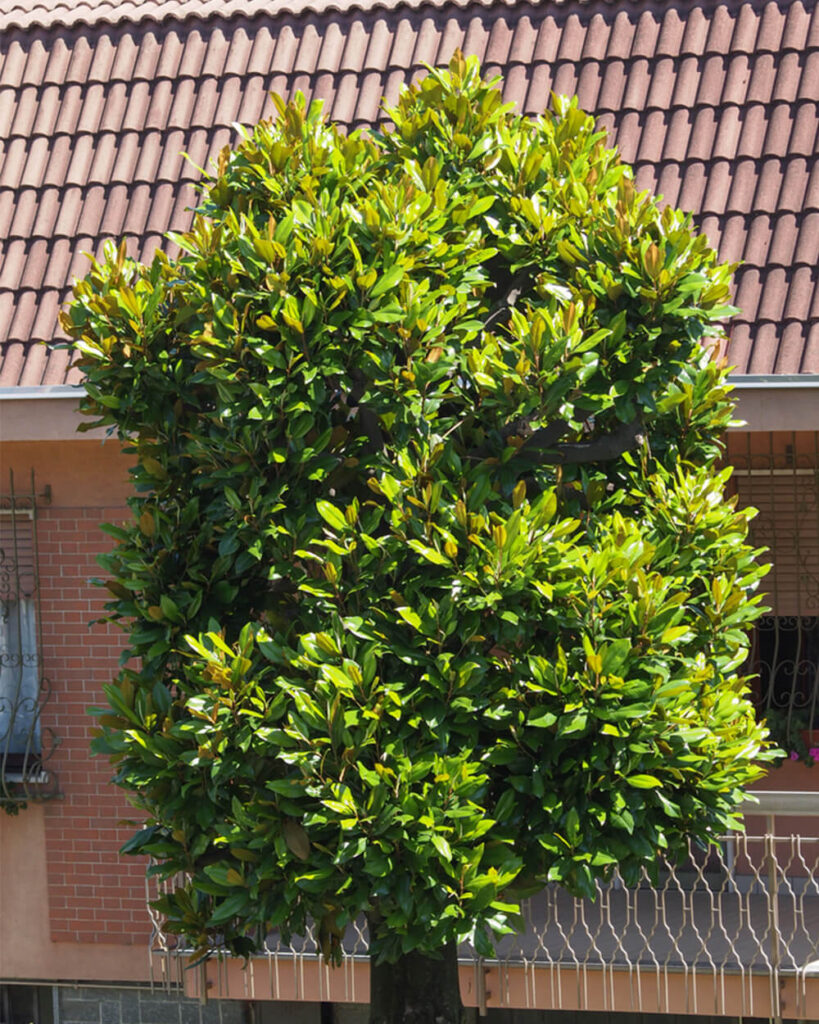
This PA native is fast-growing, but it won’t overwhelm your yard. It’s small to medium sized, with a maximum height and width of about 20 feet. In the summer, you’ll enjoy white, lemon-scented flowers and glossy green leaves.
It thrives in wet areas and attracts lots of birds, including songbirds and hummingbirds.
- Water: Water a few times a week while young, and once a week once established.
- Sunlight: Full to partial sun.
- Soil: Moist, well-draining, acidic soil.
- Spacing: Space trees 20 feet apart.
- Fertilizer: Add a balanced fertilizer in the spring, especially for young trees.
- Mulching: Apply a few inches of mulch around the tree, avoiding the trunk.
- Pruning: Prune after the tree is done blooming.
Vines and Climbers
Virginia Creeper
(Parthenocissus quinquefolia)
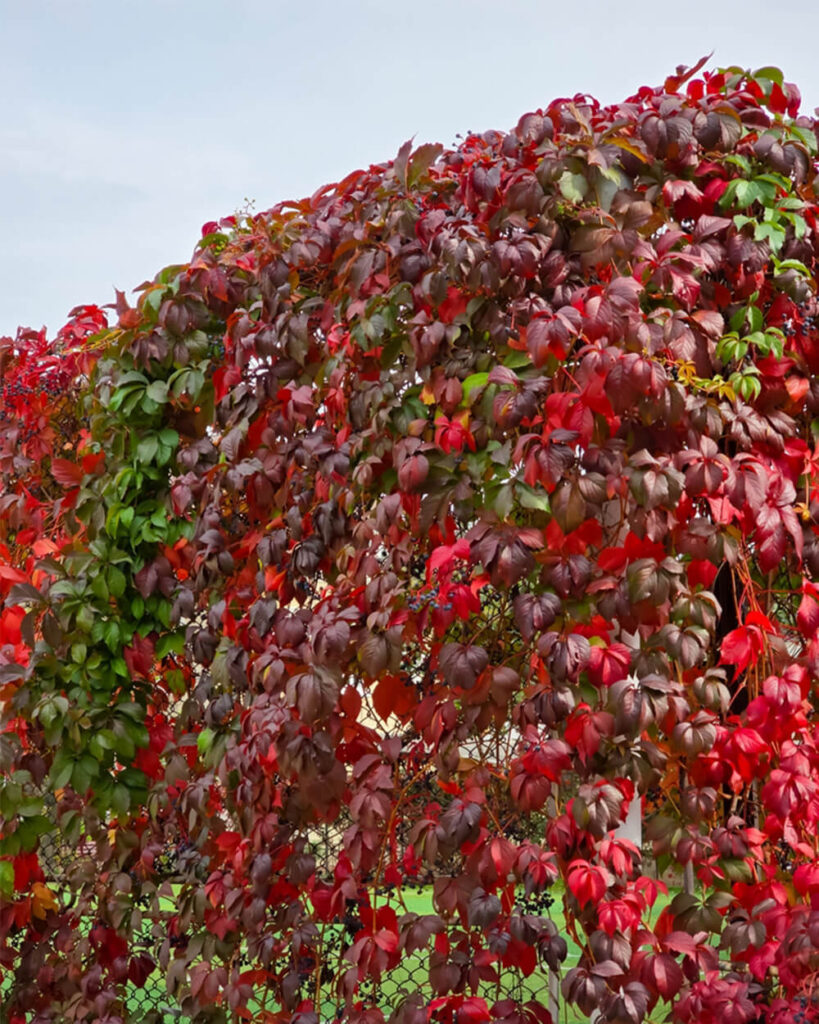
Despite its name, this is a Pennsylvania native plant in the grape family. It’s a fast-growing vine that loves climbing up fences and trees, adding privacy to your space. It can reach a height of up to 50 feet. It’s green in the spring and summer and turns red in the fall when the temperature drops.
However, this vine can be aggressive, so be sure to monitor it and cut it back as needed. It also grows toxic berries that should not be eaten.
- Water: Water regularly to establish roots, then occasionally in intense heat.
- Sunlight: Full sun (6 hours or more for best fall color).
- Soil: Any well-draining soil.
- Fertilizer: No fertilizer needed.
- Mulching: No mulch needed.
- Pruning: Prune regularly to control the spread.
Coral Honeysuckle
(Lonicera sempervirens)
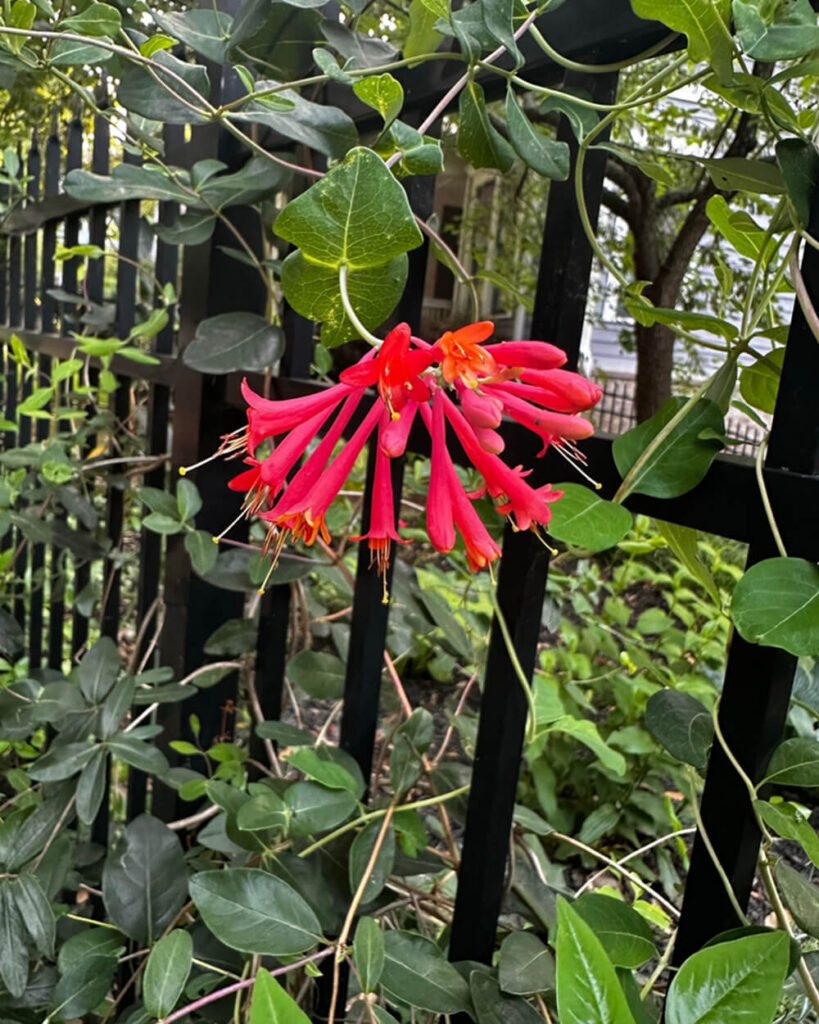
This low-maintenance, native vine is one of the best plants for privacy. It’s semi-evergreen and can easily cover chain link fences, trellises, and arbors. It can grow to 20 feet tall and six feet wide. Plus, it attracts pollinators!
In the spring, summer, and fall, you’ll get sweet-smelling flowers. Different cultivars offer different colors: yellow, orange, red, and more. While some species of honeysuckle are invasive, this one is a great addition to any Pennsylvania garden!
- Water: Water regularly for young plants. Established honeysuckle is extremely drought-tolerant.
- Sunlight: Full sun for the best blooms.
- Soil: Well-draining, slightly acidic soil.
- Fertilizer: Fertilize once in the spring with a complete, slow-release fertilizer.
- Mulching: Add a few inches of mulch in the first few years of growth.
- Pruning: Cut back as needed after it blooms.
American Wisteria
(Wisteria frutescens)
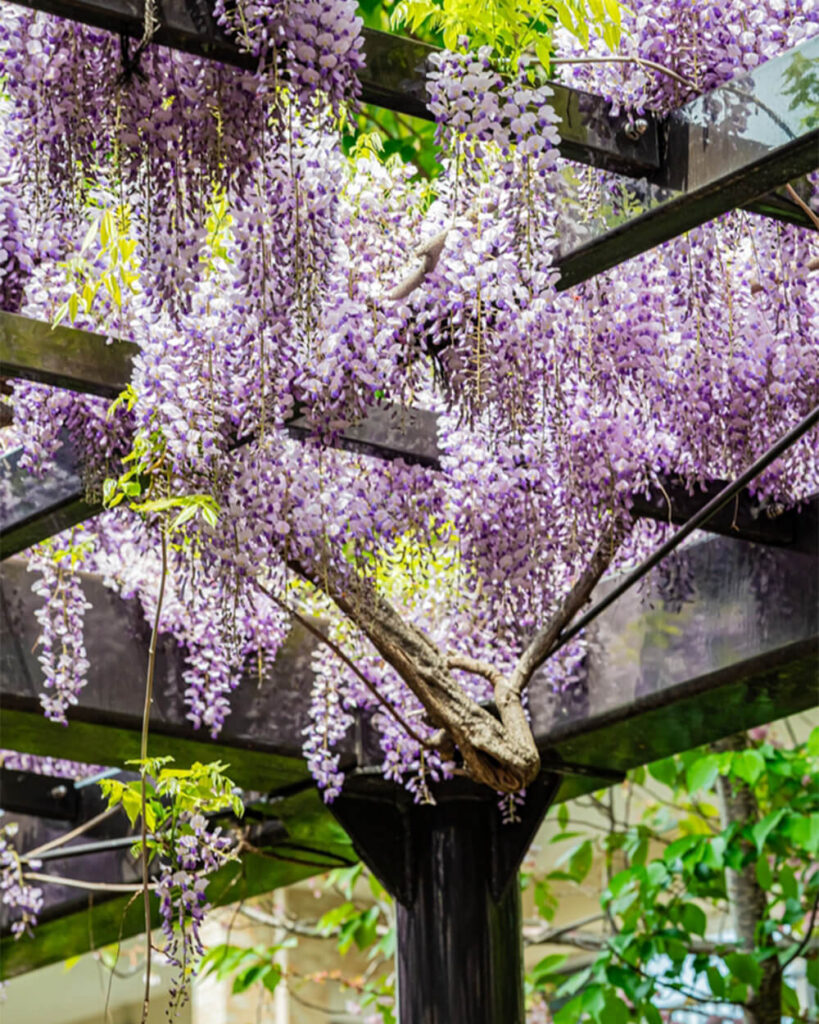
These flowers add an enchanting feel to your yard. This climbing woody vine grows quickly, making it a great privacy plant. It’s native to Pennsylvania and features purple, blue, or white flowers that form in clusters, drooping down from the stem.
American wisteria can grow up to 30 feet long if cared for properly. It forms a dense screen on pergolas, fences, and trellises. But be careful! This plant is toxic if ingested.
- Water: Water regularly in the first year and during dry spells.
- Sunlight: Full sun (6 hours a day) for best color.
- Soil: Moist, well-draining soil.
- Fertilizer: Not typically needed.
- Mulching: Apply mulch once a year, keeping it away from the stems.
- Pruning: Prune twice a year to keep its desired shape.
Perennials and Grasses
Switchgrass
(Panicum virgatum)
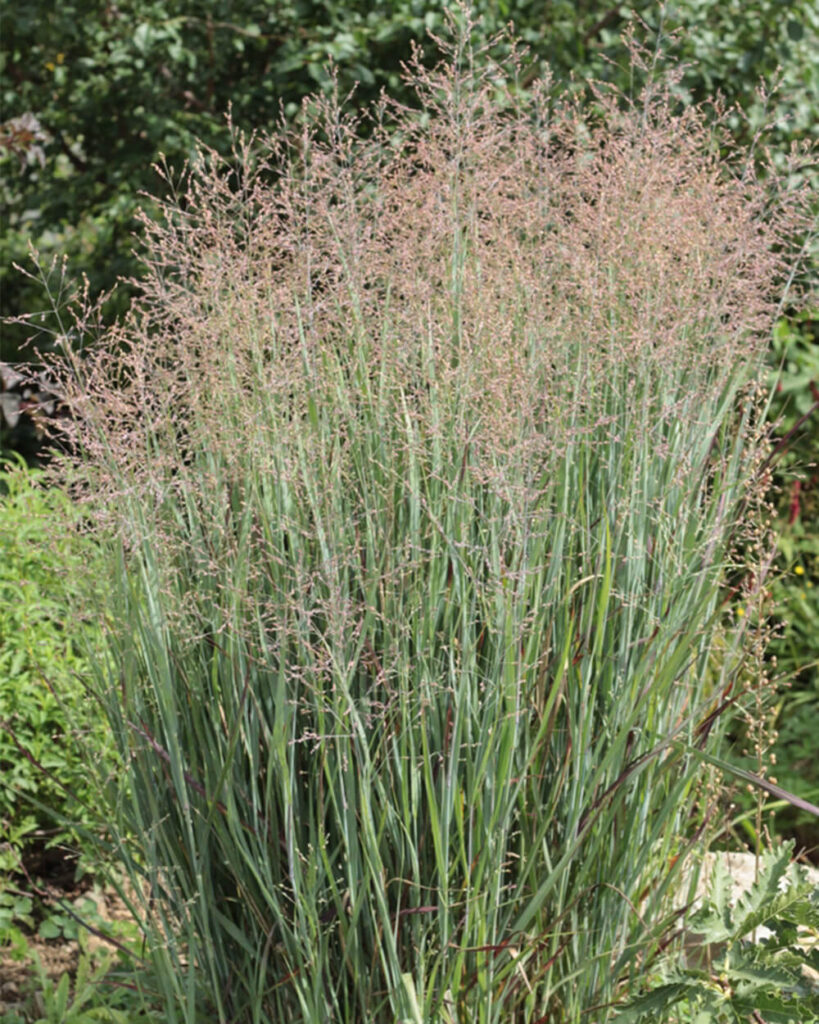
This ornamental, perennial grass is native to PA and can grow up to six feet tall. If it gets too tall, it may become top-heavy and need help from a stake to stay upright. It’s gained popularity since it’s so easy to grow and adaptable.
We often see switchgrass grown as a conservation crop, but it’s also one of the best plants for privacy. It has many wildlife benefits, and typically starts growing late in the spring
- Water: Water well during the first year, then it’s extremely drought-tolerant.
- Sunlight: Full sun or partial shade.
- Soil: Thrives in wet, dry, sandy, or clay soils.
- Spacing: Plant them two or three feet apart.
- Fertilizer: Not needed once established.
- Mulching: Helpful for young plants, but not required.
- Pruning: Cut back in early spring as needed.
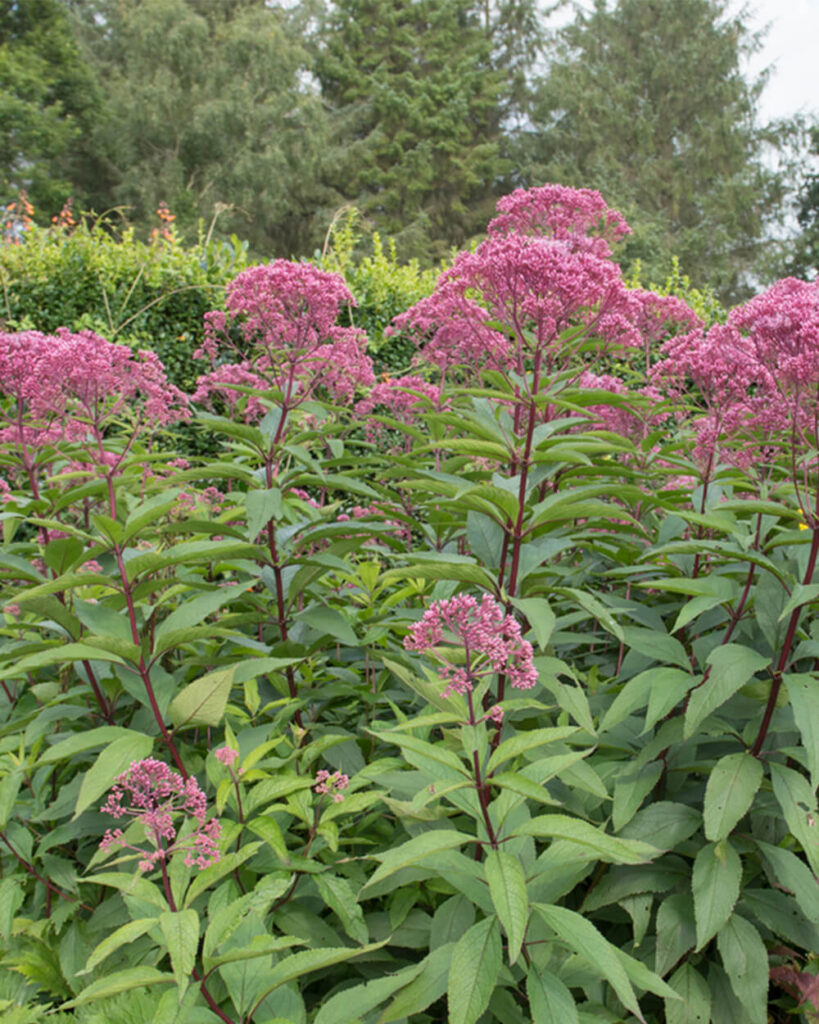
Joe Pye Weed
(Eutrochium purpureum)
This perennial is native to Pennsylvania and is a pollinator favorite. Your yard will be full of bees and butterflies in no time. However, it can easily get out of hand so make sure to pull seedlings to keep the growth managed.
Joe Pye weed can grow up to eight feet tall, making it perfect for creating a privacy screen in your yard. It’s also deer resistant! This plant is extremely adaptable and easy to care for. It doesn’t need much help from you and naturally grows in moist, sunny spots.
- Water: Water regularly and do not let the soil dry out completely.
- Sunlight: Full or partial sun.
- Soil: Moist soil.
- Spacing: Space plants three or four feet apart.
- Fertilizer: Not needed.
- Mulching: Not needed unless you’re struggling to retain moisture.
- Pruning: Cut back early in the spring and deadhead in the fall.
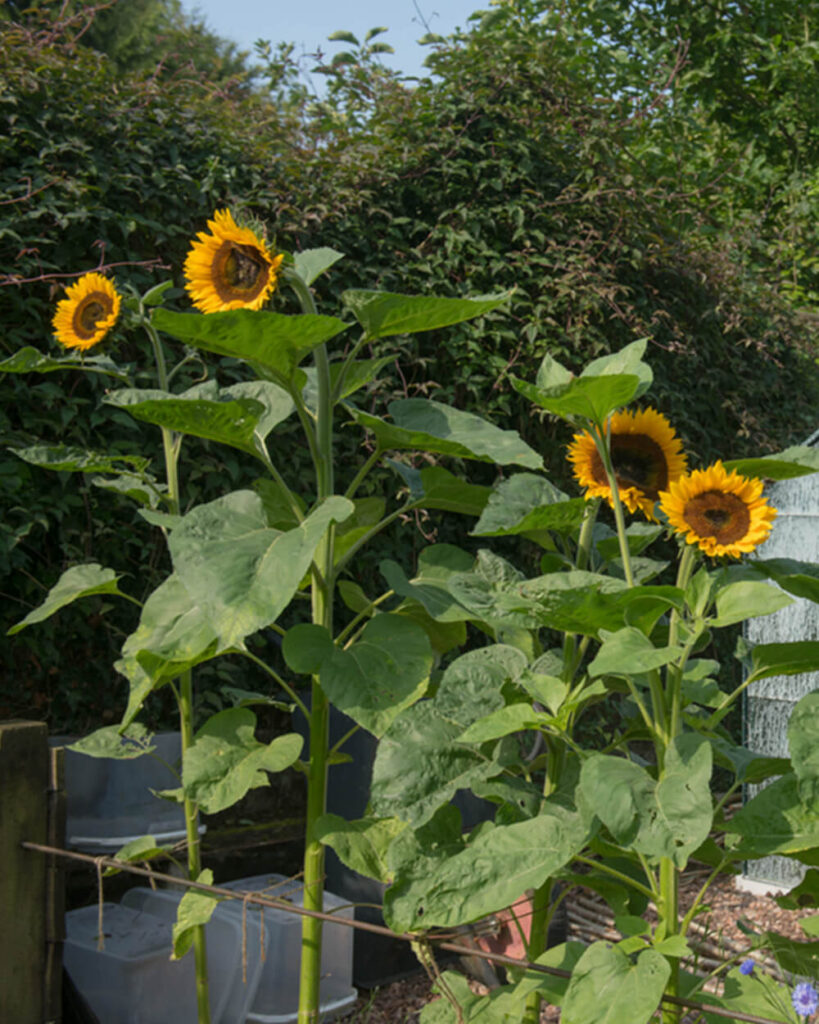
Giant Sunflowers
(Helianthus giganteus)
Who doesn’t love a field full of sunflowers? Species like the giant sunflowers are native to Pennsylvania and grow fast. They can get up to 16 feet tall—a privacy plant like no other!
However, they do need lots of water, sun, and structural support as they get taller. These flowers attract birds and bees, so before long you’ll have a thriving ecosystem in your own backyard.
- Water: Water every day to keep the soil damp but not waterlogged.
- Sunlight: Full sun.
- Soil: Moist, well-draining soil.
- Spacing: Plant sunflowers one or two feet apart.
- Fertilizer: Add a slow-release fertilizer once a year.
- Mulching: Layer on a few inches of organic mulch.
- Pruning: Remove the side shoots so the plant can focus its energy on creating one large head.
Related Questions
What are other ways to add privacy to your yard besides plants?
Plants aren’t the only method for adding privacy! You can also purchase outdoor structures like pavilions or pergolas, use sheets, install wooden dividers, build a fence, or get a trellis. Strategically-placed patio furniture can also help block your neighbors view.
Where can I buy privacy plants?
You can buy privacy plants at any local greenhouse or home and garden store. Stauffers of Kissel Hill has locations in Lititz, Rohrerstown, East York, Dover, Mechanicsburg, Linglestown, and Hummelstown. Use our plant finder to discover the perfect one!
What are the best privacy plants for small spaces?
If your yard is small, you don’t want your screening bushes taking up the whole area. We recommend vines like Virginia creeper, honeysuckle, and American wisteria. These can be grown on fences or trellises, so they’ll only take up as much space as the structure.
You can also grow a small patch of sunflowers and keep them contained to one corner of your yard. Lastly, there are many varieties of arborvitae. Choose one of the smaller varieties that is the right size for your space.
Can you use pottery and containers to help with privacy?
Yes! The best plants for privacy can also be upgraded with pots and containers to give them more height, width, and a stylish flair. Shop our pottery collection online to find a style that complements your next plant purchase.
Build a living privacy wall with any of these low-maintenance plants. Find your nearest Home & Garden Store or shop online to get started.