
9 Fall Planting Benefits & A Must-Have Garden Checklist
August 14, 2026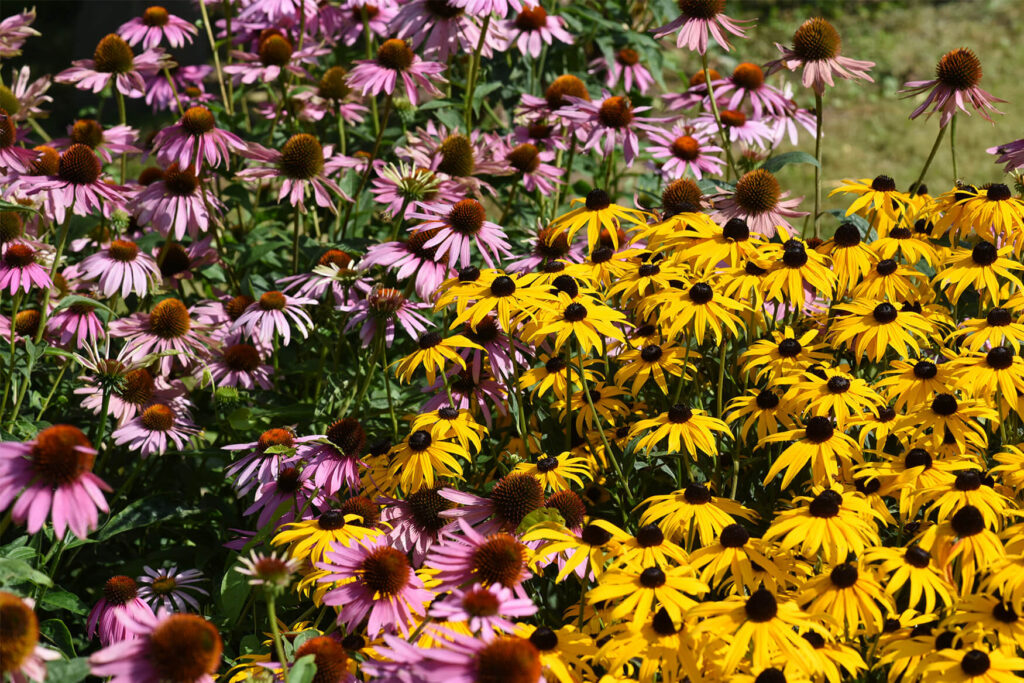
Autumn is for pumpkin picking. And apple cider donuts. And cozy sweaters. And finding the crunchiest fallen leaf on the sidewalk. But it’s also for planting! Today we’re going to explain all the fall planting benefits that make autumn the perfect time to garden. We’ll also provide a fall planting checklist so you can grow like a pro without missing a single step.
What Are Fall Planting Benefits for Pennsylvania Gardens?
Focusing on fall planting extends the growing season so your garden doesn’t end when summer does! Here are the fall planting benefits you need to know.
Cool Temperatures
In autumn, temperatures drop, providing your plants much-needed relief from Pennsylvania’s intense summer heat. Cooler nights help prevent heat shock, wilting, drying out, and other temperature-related stress. The cool air also makes gardening easier on you!
In central PA, temperatures usually begin to drop in early to mid-September. We start seeing highs in the 70s, with night temperatures falling to the 50s. In our area, the first frost usually arrives around October 17, according to the Old Farmer’s Almanac.
Strong Root Growth
Colder temperatures signal to some of your plants that it’s time to go dormant and stop producing flowers and foliage. However, underneath the surface, the soil is still warm from the summer sun. This warm soil helps the roots grow strong and deep ahead of winter. And without having to worry about producing foliage aboveground, your plants can put all their energy belowground.
This continues until the soil temperature drops below 40°F, when the roots take a break until spring. With established roots, your plants will be better equipped to handle the coming frost and the heat next summer.
Fewer Pests
Another fall planting benefit is that insects are less active this time of year, so you don’t have as many pests to worry about. Without any diseases to fight, your plants can focus solely on root development. This makes for healthier plants with less maintenance.
In Pennsylvania, we usually have to ward off aphids; three-lined potato beetles; flea beetles; tomato hornworms; Japanese beetles; and, of course, the infamous spotted lanternfly. Some of these (like lanternflies) are active through October, but they usually disappear after the first frost.
Less Competition
As autumn rolls around, your annuals will begin to die off. Plus, you’ll notice fewer and fewer weeds invading your yard. This means your fall plants don’t have to fight for space or nutrients and get the garden all to themselves.
Consistent Rainfall
Manually watering your entire garden can be a pain. But a fall planting benefit for Pennsylvania gardens is that you usually don’t have to worry about that! Autumn rainfall is pretty consistent in central PA. You can count on 3–4 inches of precipitation a month to keep your plants healthy. In addition, the shorter days and reduced heat mean less evaporation, so your soil retains water better.
Good Time to Fertilize
Fall is for planting—but it’s also for fertilizing! This helps your plants heal from the stress of summer and gives them extra nutrients to store and use all winter long. Fertilizing in the fall helps you start next spring strong. For example, lawns that are fertilized in the fall can turn green up to six weeks earlier in the spring.
If you’re on the hunt for the perfect fertilizer, our garden team recommends the following:
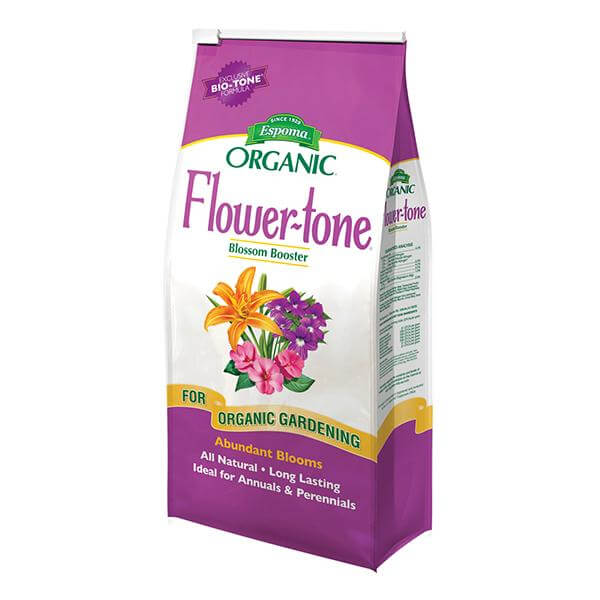
For perennials: A high-phosphate fertilizer with low nitrogen content. We suggest Espoma Flower Tone.
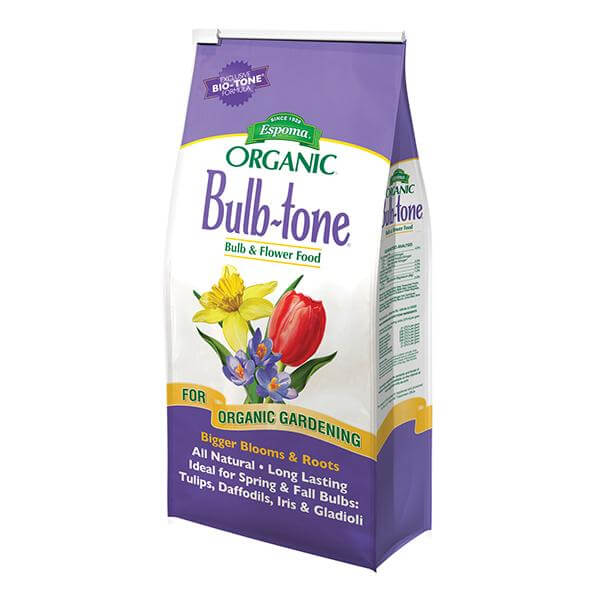
For spring flowering bulbs: A high-phosphate fertilizer applied directly in the hole when planting. We love Espoma Bulb Tone!
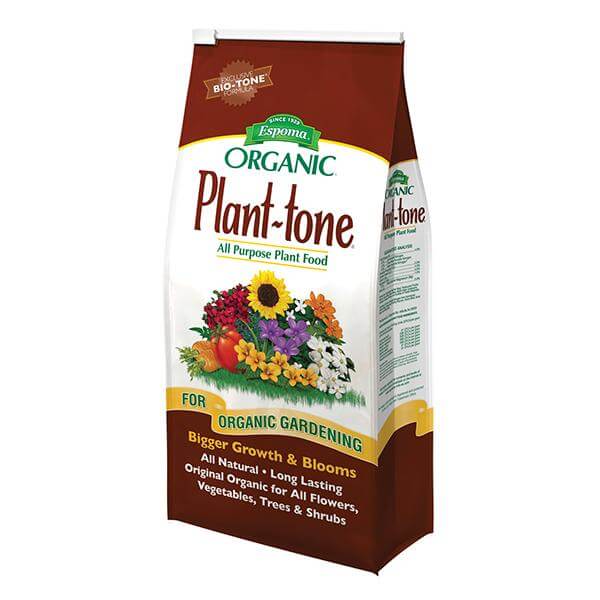
For trees and shrubs: A low-nitrogen, slow-release fertilizer. We recommend Espoma Holly Tone for acid-loving plants like evergreens, azaleas, and rhododendrons, and Plant Tone for other trees and shrubs.
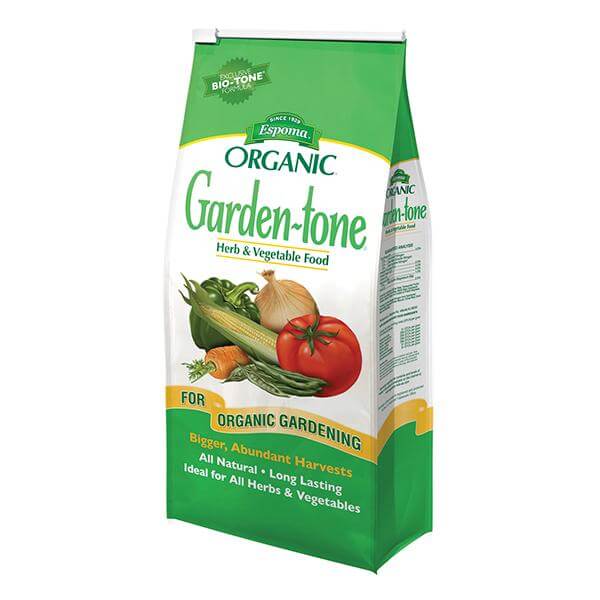
For veggies: A high-phosphate, 5-10-5 fertilizer. We use Espoma Garden Tone.
Sweeter Harvest
Certain fall crops—like kale, carrots, parsnips, and Brussels sprouts—taste sweeter if they are hit with a frost before you harvest them. When it gets cold, these veggies convert starches into sugars to protect themselves against the oncoming winter. High sugar levels slow freezing, which protects the plant cells from ice and cold.
This makes autumn the perfect time to plant because it leads to a sweeter result!
Better Spring Growth
Want to ensure a bright and blooming spring garden? Plant in the fall! This usually makes flowering plants produce more foliage in the springtime because they have time to establish their roots before going dormant. This allows them to come back bigger and stronger next year.
Greenhouse Discounts
The last fall planting benefit is that many greenhouses—including Stauffers of Kissel Hill—offer discounted plants when the spring and summer growing season ends. This means you can get great deals for your garden.
Shop all your fall planting needs at Stauffers of Kissel Hill, and see what’s on sale!
The Best Pennsylvania Fall Planting Tips
Follow Our Central PA Fall Planting Schedule
Wondering when to start your fall garden? It depends on what you’re growing! Some things should be planted in July or early August for fall growth, while others have quick growth times and even do better after a light frost.
Here’s an easy fall planting schedule for your central PA garden:
Spring Flowering Bulbs: Mid–Late Fall
- If you plant these while the soil is still warm, your bulbs might sprout early, so wait until the temperatures are consistently cool and the soil is around 50°F.
- We aim to plant ours around the first frost of the season (usually October 17).
- Many gardeners find that anytime in October or early November works well.
- Watch this video for more information about how to plant your bulbs!
Spring Perennials: 6 Weeks Before the First Frost
- In central PA, you should plant mature spring perennials by September 5.
- Anytime late August or early September typically works.
- Your flowers might look sparse, but they will come back stronger in the spring.
Trees and Shrubs: 6–8 Weeks Before the Ground Freezes Over
- Our team aims for early fall, typically September through October.
- Make sure you do this well before the ground freezes over so the roots have time to establish.
Vegetables and Herbs: Timing Varies
- Check out this interactive chart from The Old Farmer’s Almanac for the best time to plant your crops in Lancaster, PA (or whatever town you live in).
Pick Your Plants Carefully
This is a crucial step in fall planting for beginners. Some plants are more frost-tolerant than others, so you need to be careful when picking your fall plants. Remember, spring flowering bulbs should be planted in the fall. Summer flowering bulbs should be planted in the spring after the last frost of the season.
Spring Bulbs to Plant in the Fall:
- Daffodils
- Tulips
- Crocuses
- Alliums
- Hyacinths
Trees and Shrubs to Plant in the Fall:
- Burning Bush
- Holly
- Crape Myrtles
- Butterfly Bush
- Witch Alder
Perennials to Plant in the Fall:
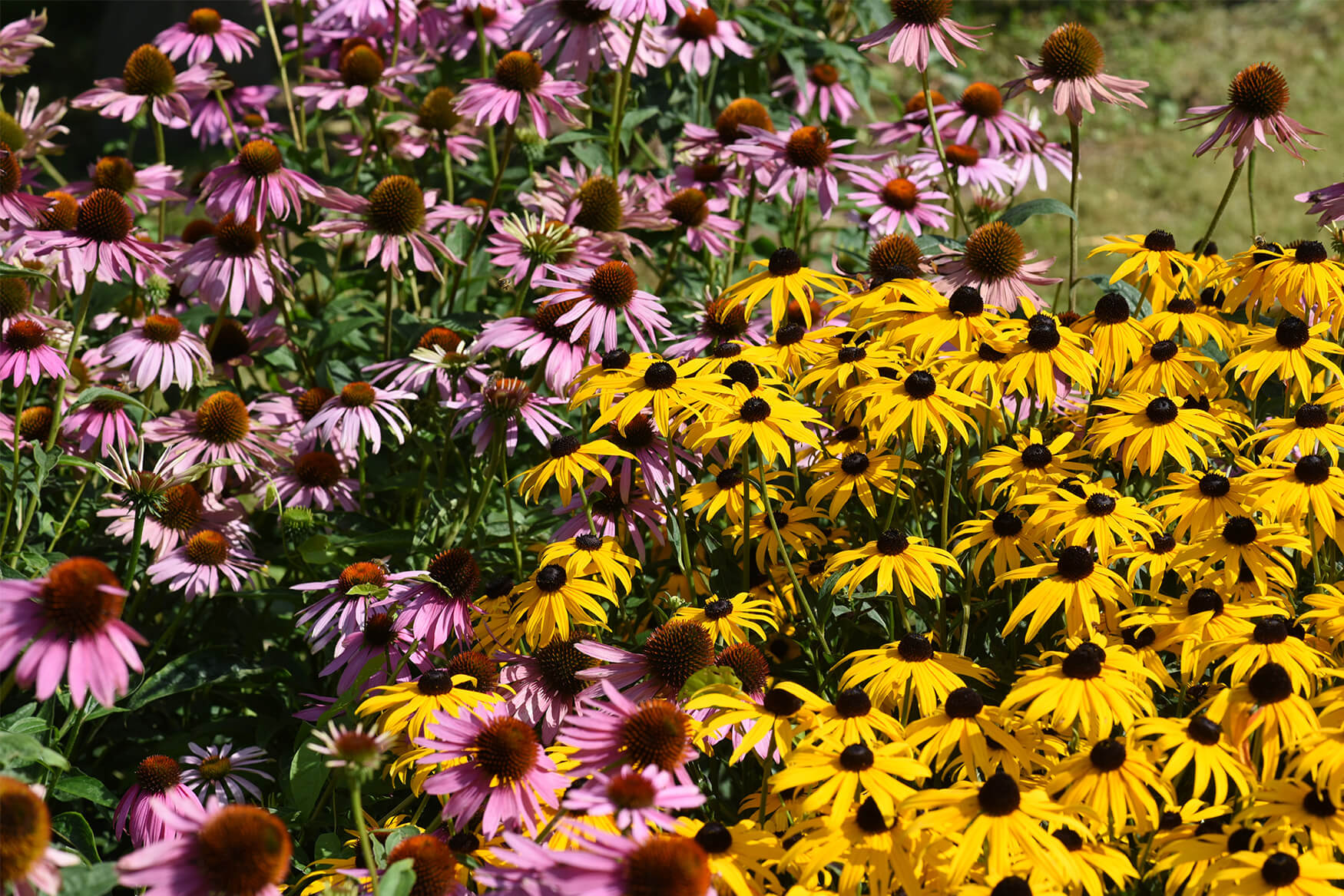
- Coneflowers
- Black-Eyed Susans
- Asters
- Goldenrod
- Sedums
Veggies and Herbs to Plant in the Fall:
- Broccoli
- Onions
- Carrots
- Rosemary
- Chives
Check out what’s available at our greenhouses!
Water Mindfully
Most homeowners turn off their sprinklers once summer ends. And that’s fine! In autumn, you can usually rely on natural precipitation, but it’s still good practice to check on your plants once a week. If there’s been a dry spell, manually water anything you recently planted.
Don’t Forget to Mulch
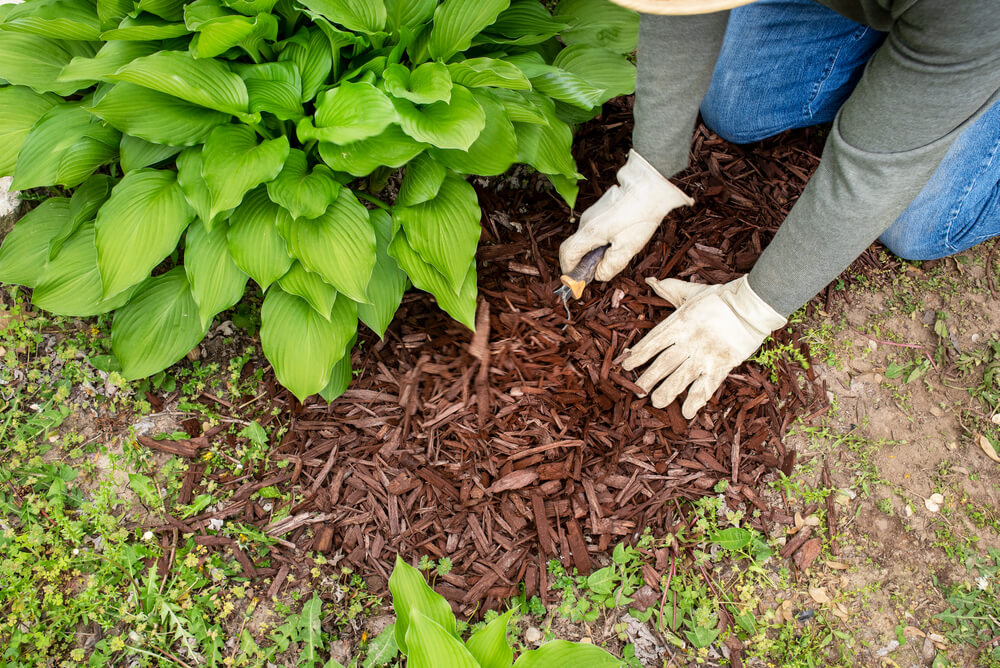
Our list of Pennsylvania fall planting tips wouldn’t be complete without mentioning mulch. Mulching your fresh transplants keeps the soil warmer and protects the roots ahead of the upcoming frost. This will make your plants stronger and better prepared for winter.
Do Some Fall Cleanup
Fall is a great time to tidy up your garden! Some plants need their foliage trimmed to avoid mildew, but for others, that can hurt their chances of surviving winter. You also want to be mindful of birds and other pollinators. It’s important to keep some plants around to provide them food and shelter when it gets cold.
Do Not Cut Back:
- Evergreen perennials like geraniums
- Hardy perennials like garden mums
- Ornamental grasses and ferns
- Pollinator-friendly plants like coneflowers and black-eyed susans
- Oakleaf hydrangeas
- Sunflowers
Do Cut Back:
- Diseased or damaged leaves
- Bee balm
- Irises
- Phlox
- Hostas
- Peonies
For the rest of your garden, feel free to trim what you want to clean up the look of your space. But remember—the more flower seedheads you leave, the more visual interest it adds to your yard. And as the plants decompose, it acts as built-in fertilizer, fueling your blooms for next year.
Download This Fall Planting Checklist
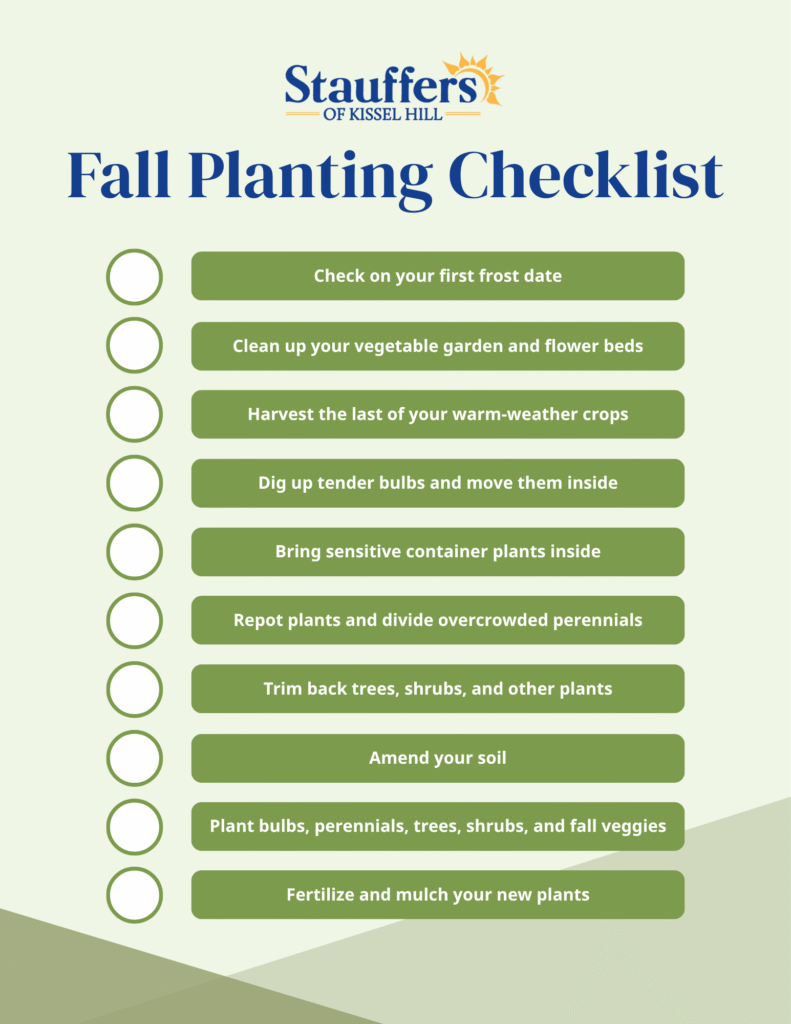
Don’t get overwhelmed! Discover everything you need to do for a successful fall garden in this handy fall planting checklist.
Pennsylvania Fall Planting FAQs
What are the best plants for fall color?
Fall planting for beginners often starts with fall color—which is why we’ve written several blogs all about it! We recommend:
- Sugar maple
- Oakleaf hydrangea
- Fire power nandina
- Pyracantha
- Fothergilla
- Beauty berry
- Asters
- Sedums
- Goldenrods
Read the full list of our favorite trees and shrubs for a colorful season, and our favorite flowering perennials for a vibrant fall.
Where can I buy fall plants in central PA?
You can buy fall plants at your nearest greenhouse! Stauffers of Kissel Hill has locations in Lancaster, Lititz, York, Dover, Mechanicsburg, Lingelstown, and Hummelstown.
When is the latest I can plant in the fall in central PA?
It depends on the plant! For fast-growing vegetables, the end of August is the latest you can do. For trees and shrubs, October is your last chance, and for others, late November is prime time. Overall, you want to get your plants in the ground before the soil freezes completely.
The timing of this depends on your location and that year’s climate. In central PA, we usually see a total freeze around mid- to late December. Our garden team recommends finishing all your fall planting by Thanksgiving at the latest.
Is it better to plant in the spring or in the fall?
Every plant has different needs, so it depends on what’s on your list to grow. However, there are so many fall planting benefits. It’s a great way to extend your growing season, and autumn brings significantly less stress for your plants. In our opinion, fall is even better than spring!
Start Your Fall Garden Today
There are so many fall planting benefits in Lancaster, PA and beyond! Stock up now on the supplies you need for your autumn garden.