
7 Best Perennials For Fall Color in Central Pennsylvania
August 14, 2026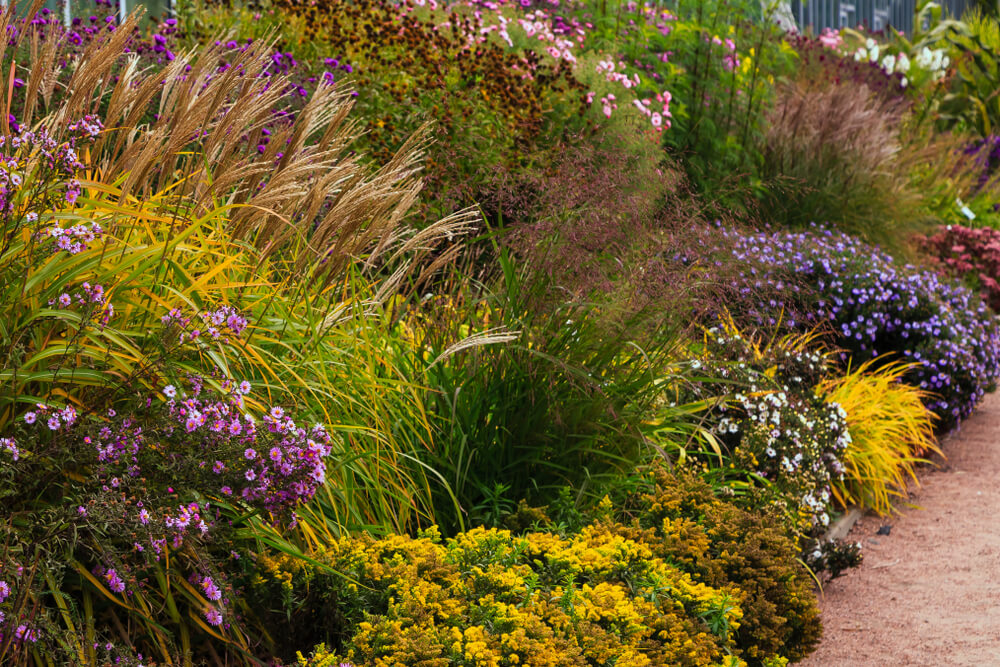
Who says your garden has to call it quits when summer does? Fall is your garden’s chance to put on one last colorful show. And with the right plants, it can be just as vibrant as spring. Discover the seven best perennials for fall color that will keep your central PA garden looking lively long after summer flowers have faded.
A Pennsylvania Planting Guide: Fall-Blooming Perennials
Whether you want to plant in the fall or you have summer perennials that you want to last until it gets cold, here’s what you need to know.
Fall is the perfect time for planting! The cooler weather means less stress on your plants, and it encourages bigger blooms in the spring. There are fewer pests to worry about and more consistent rainfall to help your garden thrive without as much work from you.
The prime time to plant in the fall depends on what you’re planting. Some crops are hardy and can handle a bit of frost, while others need to be in the ground a good 6–8 weeks before the first frost date. In central PA, this usually happens on October 17. Some plants can even last into the winter and totally transform your garden!
Take it from the experts—it’s not too late to start a garden. In fact, the fall planting window is longer than you might think!
Find the best perennials for fall color at your local Stauffers of Kissel Hill Home & Garden Center. We stock only the best, and our garden team is here to answer any questions you have about autumn planting.
7 Fall-Blooming Perennials For A Colorful Garden
For a colorful autumn garden, you want a mix of plants: perennials, grasses, shrubs, and maybe even some trees. You also want a variety of colors. Yellows and reds are a classic addition to a fall display, but don’t forget about purples and pinks to draw your eye. Here are our top seven Pennsylvania plant recommendations for a gorgeous garden.
Asters
(Symphyotrichum spp.)
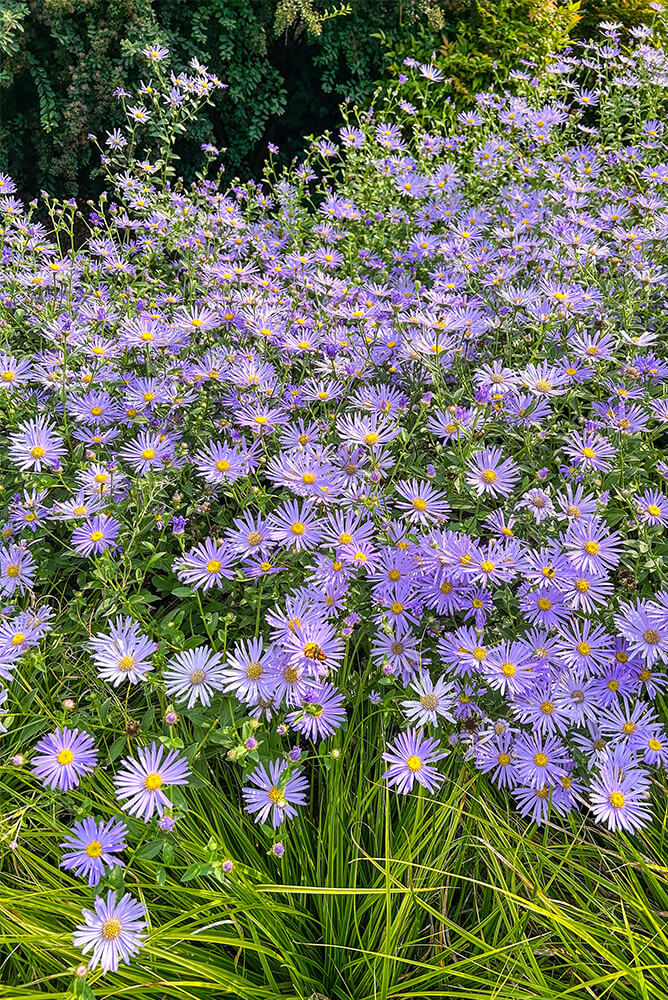
This native PA perennial typically blooms in August through October, or until the first hard frost. We recommend planting young asters in the spring, or you can buy mature asters from your nearest Stauffers and plant in early fall. Asters feature star-shaped flowers in purple, blue, or white. They love cold nights and always get some good pollinator action. Some varieties can grow up to six feet tall and might need to be staked so they don’t fall over.
Fun fact! Mature asters may reseed themselves, but you may get different colored blooms the next year.
- Stauffers pro tip: Asters are sensitive to over- and underwatering, so watch for signs of distress
- Sun: 6 hours of direct sunlight daily
- Water: Water during dry periods
- Maintenance: Early in the summer, cut back your asters by one third
Black-eyed Susans
(Rudbeckia hirta)
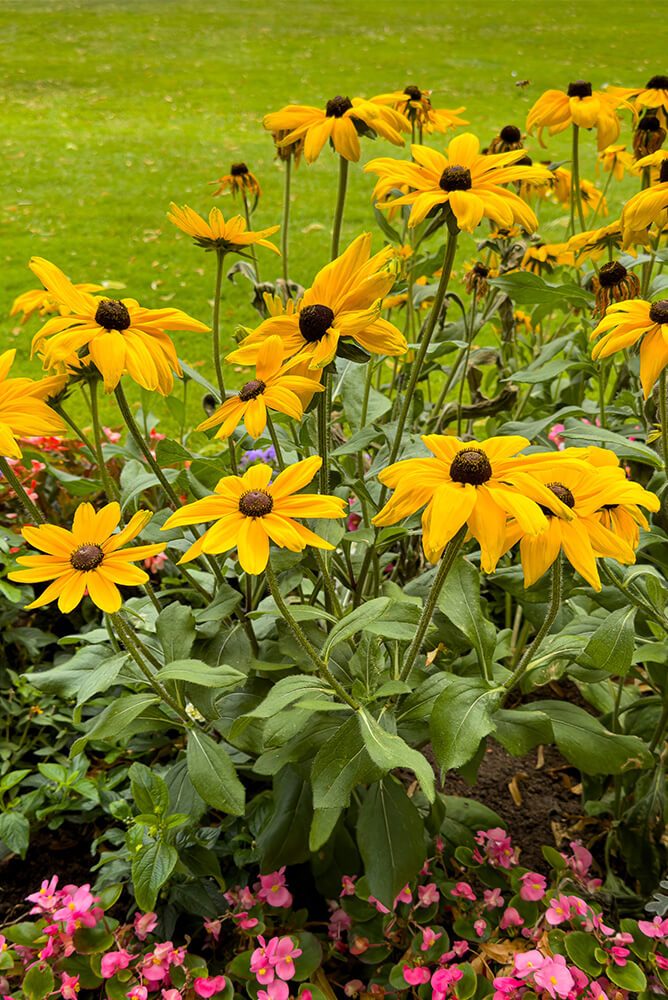
This hardy and vibrant perennial is native to Pennsylvania. It will light up your garden with yellow petals from June to September and beyond, often until the first hard frost of the season. We notice peak blooms in July and August. Black-eyed Susans are also a pollinator favorite, so they are both beautiful and functional for wildlife. You can plant these in the spring or fall!
- Sun: 6 hours of direct sunlight daily
- Water: Drought tolerant once established
- Maintenance: Deadhead as needed, but don’t cut back until the spring so you can provide wildlife food and protection over winter
- Stauffers pro tip: These perennials self seed easily, so make sure you plant them in a spot you like
‘Autumn Joy’ Sedums
(Hylotelephium ‘Autumn Joy’)
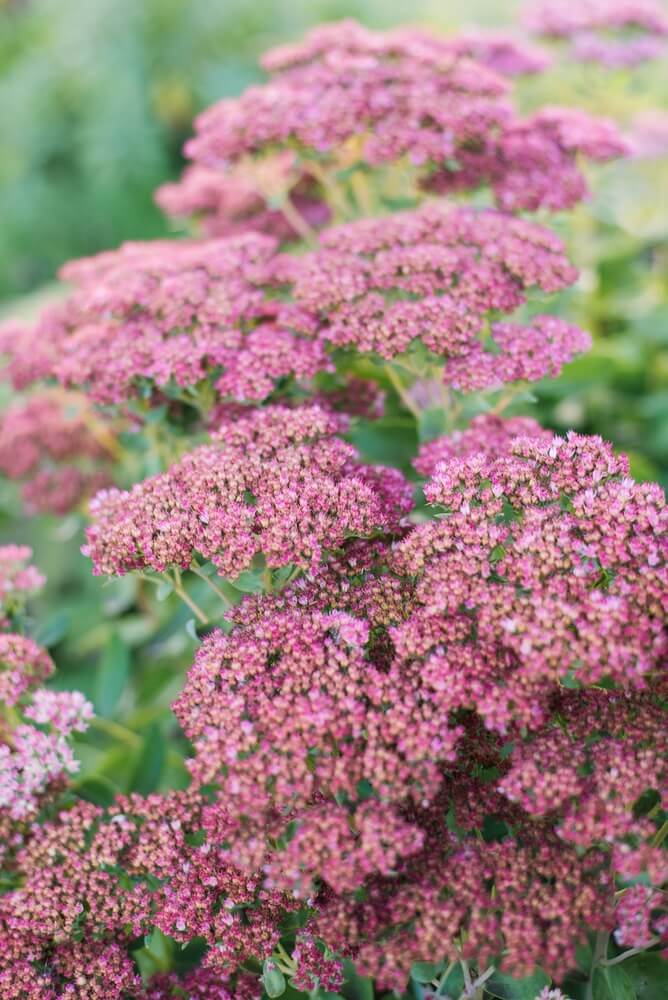
As its name suggests, Autumn Joy is one of the best perennials for fall color, bringing bursts of pink to your yard! This hardy perennial blooms from August to October, growing about two feet tall. The plant starts looking a bit like broccoli with green buds in the summer that open to pink blooms that turn red and bronze in the fall. You can plant these in the spring or early fall.
- Sun: 6 hours of direct sunlight daily
- Water: Water during dry spells
- Maintenance: Cut back in the spring
- Stauffers pro tip: Keep the dried blooms around through the winter to add visual interest to your garden
Heuchera (Coral Bells)
(Heuchera spp.)
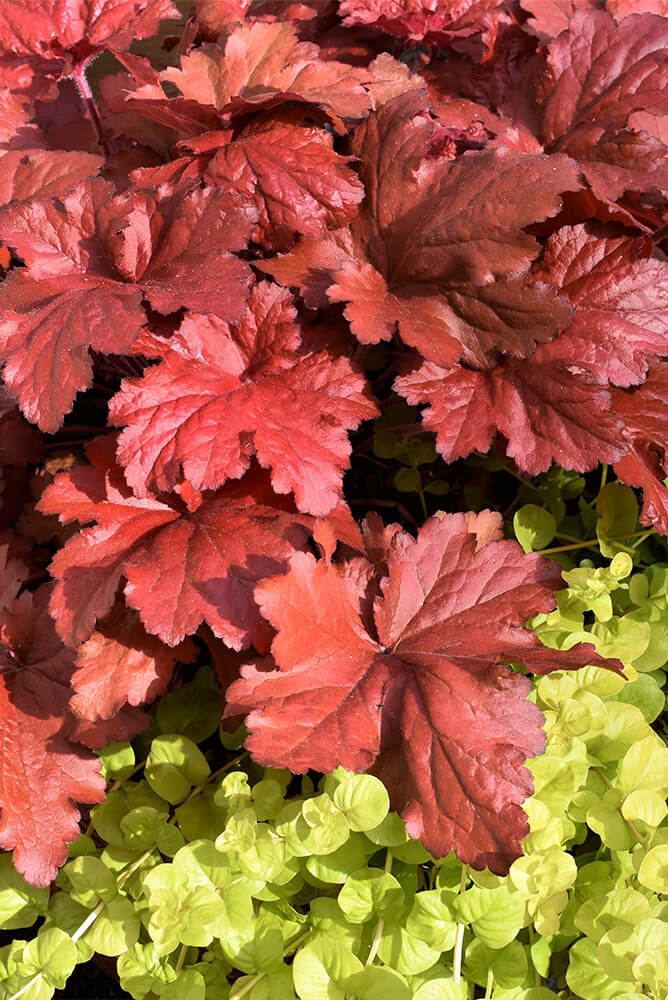
This low-maintenance perennial has foliage that comes in a variety of colors, from orange to red to dark purple. So don’t be afraid to buy a variety to showcase a whole rainbow! You can plant coral bells in the spring or fall and it will grow 10–14 inches tall. The lighter varieties don’t like direct sunlight, but darker foliage can handle it, so be mindful when choosing your planting spot.
- Sun: Full sun or partial shade, but avoid direct light
- Water: Provide even moisture, about 1 inch per week
- Maintenance: Prune in early spring to remove damaged leaves
- Stauffers pro tip: Mulch your plants to protect them against the winter frost
Salvia (Meadow Sage)
(Salvia pratensis)
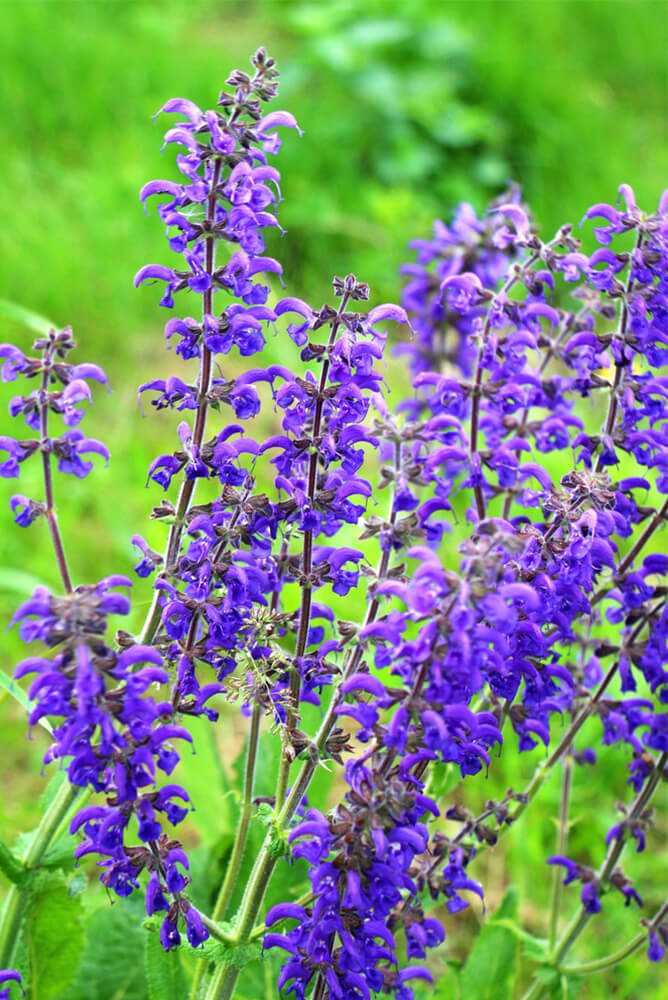
Salvia is a colorful fall perennial that shows off its first blooms at the beginning of June. But don’t fret! If you cut them back, they will bloom again in the fall so you can enjoy these beauties for many months. These plants are cold-hardy and go dormant in the winter. They are also drought-tolerant, deer-resistant, and a pollinator favorite! They really do have it all.
- Sun: 6 hours of direct sunlight daily
- Water: Water when the top inch of soil is dry
- Maintenance: Cut back spent blooms after the spring peak for a second round of flowers
- Stauffers pro tip: You can plant salvias in the spring or early fall, but remember to spread them two feet apart
Goldenrods
(Solidago spp.)
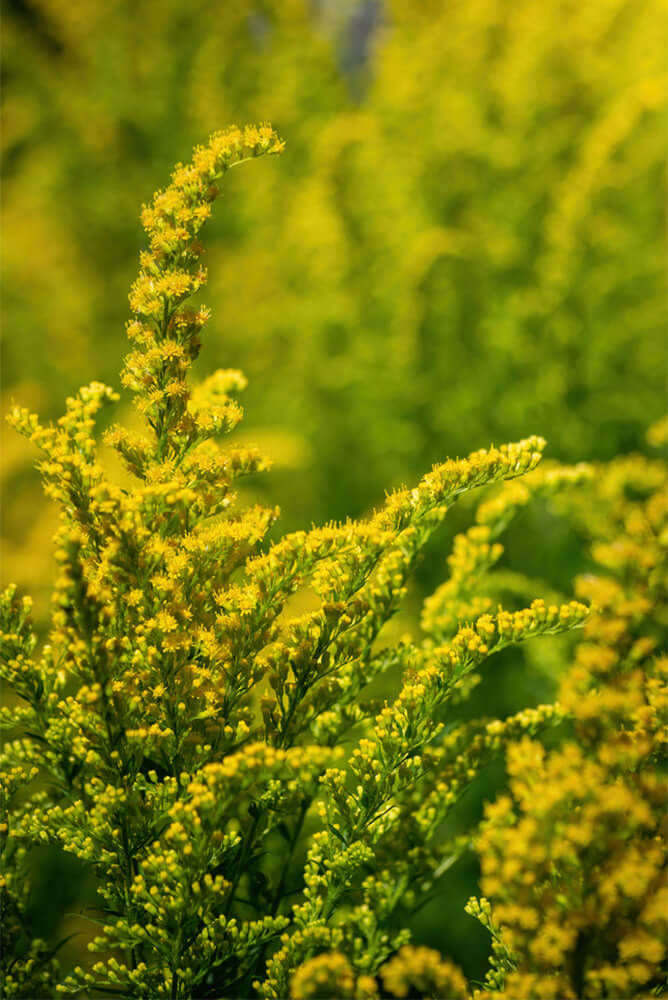
Every Pennsylvania garden needs a few goldenrods for a dash of yellow fun. These native perennials are extremely hardy and can easily survive the cold. They bloom August through October, or until the first frost of the season. Goldenrods provide essential nectar for pollinators as they head into winter. You can plant them in the fall or spring.
- Sun: 6 hours of direct sunlight daily
- Water: Water regularly for a few weeks; established plants are drought tolerant
- Maintenance: Cut back your goldenrods early in the summer
- Stauffers pro tip: Do not fertilize your goldenrod as it can limit your fall color
Little Bluestem
(Schizachyrium scoparium)
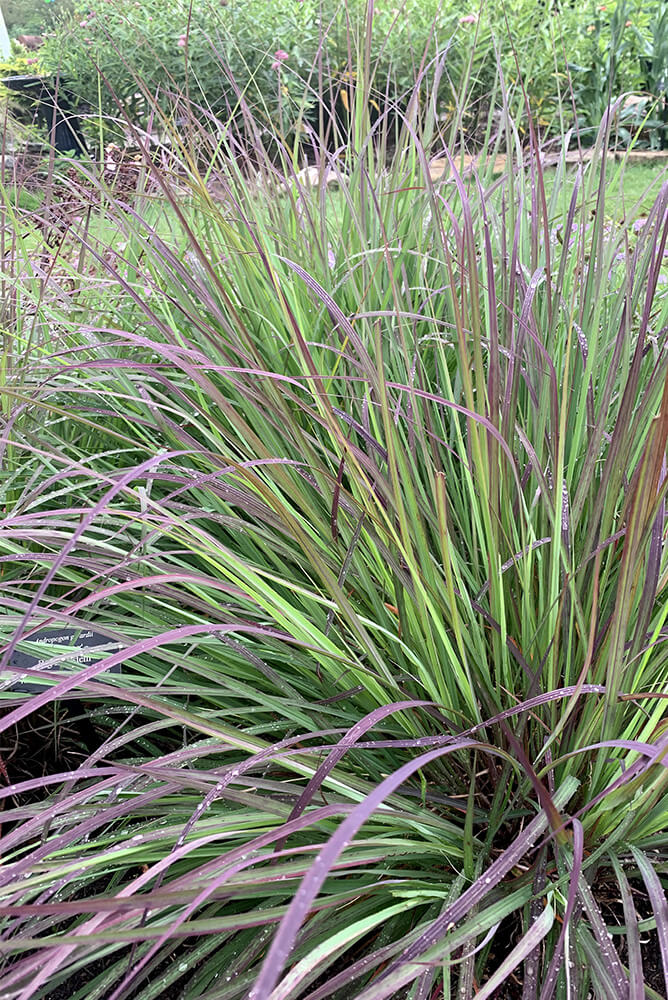
This ornamental grass loves the sun, is native to PA, and is extremely adaptable to different conditions. It features purplish flowers from August to September that grow into fluffy white seed heads later in the fall. This is one of the best perennials for fall color. Not only does it add pops of different colors throughout the seasons, but it also adds an interesting texture.
- Sun: 6 hours of direct sunlight daily
- Water: Water weekly, but drought tolerant once established
- Maintenance: Leave it throughout the winter, but cut back in early spring
- Stauffers pro tip: Don’t fertilize this perennial because it can weaken the stems
What to Pair With Colorful Fall Perennials
As you’re planning your fall garden, don’t stop at perennials! We have so many other Pennsylvania plant recommendations and decor additions to create seasonal interest in your yard.
- Add a few trees and shrubs for even more fall color.
- Plant cool season vegetables like ornamental kale that can transform in the winter.
- Don’t have a lot of time? Select a few pre-made fall planters for instant porch appeal.
- Pair your perennials with other fall decor like pumpkins, hay bales, and DIY container gardens.
Related Questions About the Best Perennials For Fall Color
What are the best trees and shrubs for fall color?
The best trees and shrubs for a colorful fall include:
- Fire Power Nandina
- Oakleaf Hydrangea
- Crape Myrtle
- Pyracantha
- Katsura
- Fothergilla
Read our blog all about it for the full list!
How do you get spring perennials to bloom in the fall?
Cut back your spring perennials by at least one third immediately after their spring bloom ends. Continue to water regularly and, for those that like it, fertilize. This will encourage a secondary bloom when the weather starts to cool.
What perennials should you not cut back in the fall?
Avoid cutting evergreen perennials like coral bells or phlox. Also keep around plants that feed pollinators and other wildlife like black-eyed susans, sedums, and coneflowers.
Save On Your Fall Garden
Save money on these southcentral PA perennials! Download our app for $5 off your first purchase of $25 or more using promo code: WELCOME.