
Guide To Azaleas: From Planting To Pruning
April 01, 2026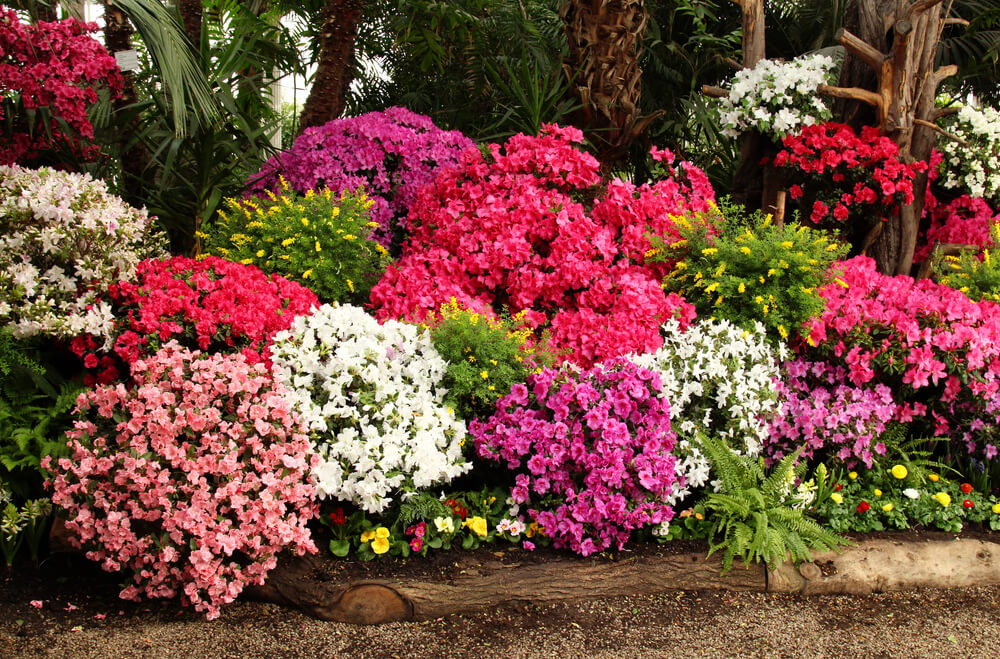
Take a walk around your neighborhood this spring and you will find blooming azaleas in several of your neighbors’ gardens. These irresistible, gorgeous shrubs come in many color varieties that suit all different types of landscapes. Their vibrant colors add character to any garden, providing breathtaking blooms for you to enjoy. While azaleas have the reputation for being persnickety, with the right tips you can care for them with ease!
Planting Azaleas FAQs
Where Should I Plant Azaleas?
Azaleas require fairly specific care, beginning with how you plant them. Start a wonderful relationship with your azaleas by selecting the proper location for them to grow.
Find an area around your house that receives fairly decent exposure to sunlight, but that also provides a thin layer of shade. Azaleas thrive when they grow under partial cover, such as under a tall tree. Our garden experts recommend the east side of your house, where they can get morning sun and afternoon shade.
If you do not have that type of light in your yard, check out our guide on the best flowering shrubs and bushes for your yard’s specific lighting.
What Temperature is Best for Azaleas?
Most Azalea varieties are suited to warmer weather locations where temperatures do not dip below 0° Fahrenheit, so before you race to plant them, be realistic if your location is a good fit.
What Soil is Best for Azaleas?
Ensure that they take root in an enriched, well-drained soil that is acidic in nature. Avoid soggy or clay-heavy areas, as they can lead to poor root growth or even root rot.
When Should I Plant Azaleas?
Next, decide when you want to plant your shrub. The best time to plant azaleas is in the late spring or early fall. They will provide you with gorgeous blooms the very next spring, so long as you take proper measures to get them off to a good start.
How Far Apart Should I Plant Azaleas?
If you wish to plant multiple azaleas, map out your space for planting each one two to six feet apart, allowing them room to spread their metaphorical wings. When you bring home your potted plant, dig a hole twice as wide and the same depth as the root ball of the plant. Carefully loosen up the root ball and place it directly into the soil. Cover it halfway with soil mix and water deeply, followed by adding the latter half of soil mix.
We recommend incorporating our Stauffers of Kissel Hill Professional Planting Mix and Espoma Organic Bio-tone as the best starter, which promotes larger blooms and establishes your plant faster.

Caring for Azaleas FAQs
Now, your Azaleas are planted and on their way to giving you show-stopping blooms! But first, you need to know how to care for them.
Do I Need to Mulch Azaleas?
After planting, take steps to ensure the successful growth of your azalea plants. Because they have shallow roots, they tend to dry out without mulch present to retain the moisture and acidity.
Mulch roughly one inch deep around your azalea’s base, increasing to two or three inches if additional azaleas are nearby. Use a Pine Bark Mulch for better results. Avoid mulching in the fall, as it can cause the plant to retain more heat and prolong dormancy, resulting in an increased risk of winter damage!
Don’t want to mulch yourself? Let our expert landscaping team handle the dirty work!
What Diseases and Pests Should I Watch Out For?
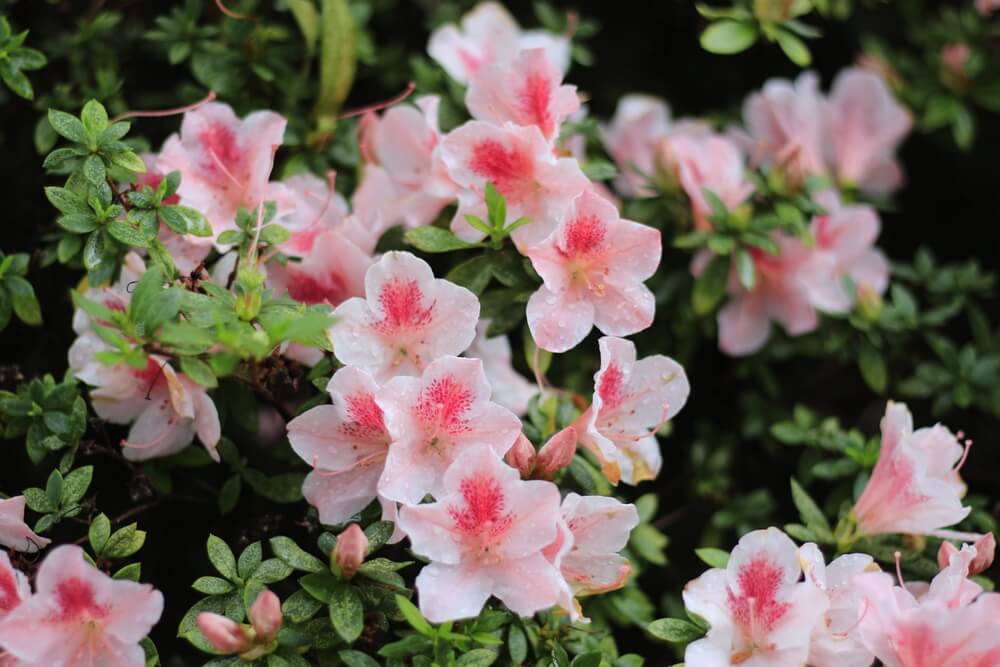
Thankfully, few insects plague azaleas, so preventative measures against bugs rank low on your list of necessary actions. Typically only azaleas that reside in full sun may see Lace Bugs doing some damage—but rarely. As long as proper watering, trimming, and fertilizing occur, root rot and other diseases should be thwarted.
How Often Should I Water My Azaleas?
Evenly water your azaleas so that the soil never dries out, nor becomes too soggy. Naturally, areas that receive full sun will require more thorough and frequent waterings, as they dry out quicker. Water each of your plants thoroughly, ensuring that they receive roughly one inch of rain water weekly, well into the hotter months.
Let the roots soak up the moisture, but not too much that it rots them. Early morning watering is key so that the sun has time to dry up the leaves throughout the day. Leaves left wet overnight increases the probability that mold or fungal diseases will grow. Drip irrigation and sprinklers are also very effective ways to manage consistent watering.
Talk to one of our in-store experts for tips on choosing the best system!
Do I Need to Fertilize Azaleas?
Luckily, Azaleas require little care when it comes to fertilizing. We recommend using Espoma Organic Holly-tone to encourage blooms with more vibrant color and to promote larger growth. Its long-lasting, slow-release feeding comes from their exclusive Bio-tone Microbes. Feed once in the spring and the second time in the late fall, using only half the dose of the spring feeding.
In the spring time, feed your azaleas at the first instance of beautiful bloom color for the best results. Always remember to never apply fertilizer to frozen soils!
For your shrub, use one cup per foot of branch spread (from one end of the plant to the other). Double this quantity if the branch spread reaches or exceeds three feet! Sprinkle this amount around the drip line and water your azalea thoroughly after application. If your area has a layer of mulch, we recommend that you pull the mulch back from under the plant, fertilize, then replace the mulch back to its original spot. Always follow label instructions, as shallow-rooted plants are sensitive to over-fertilization!
Should I Prune My Azaleas?
For the most part, Azaleas require little to no pruning. However, there are times when it can be beneficial. Timing is key, and only prune if necessary. We recommend pruning in the spring immediately following the end of your azalea’s blooming period. Doing so any later than early summer will leave you without blooms the next season, so take note of when you choose to prune!
You can always prune dead or damaged portions of the plant at any time. Trim back overgrown branches to maintain a more compact appearance and encourage healthier blooms.
Azalea Varieties
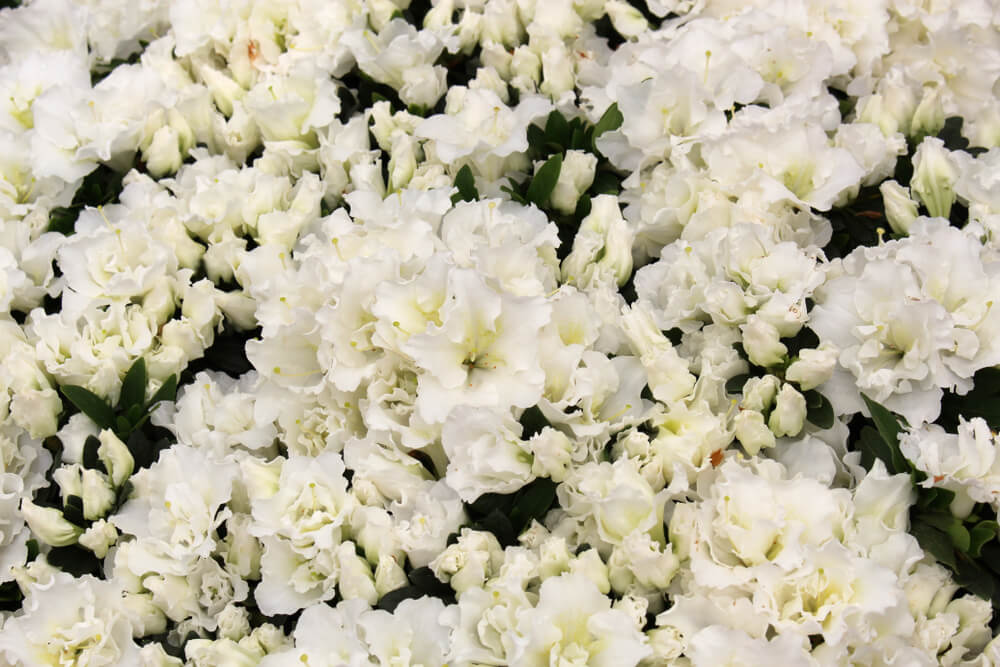
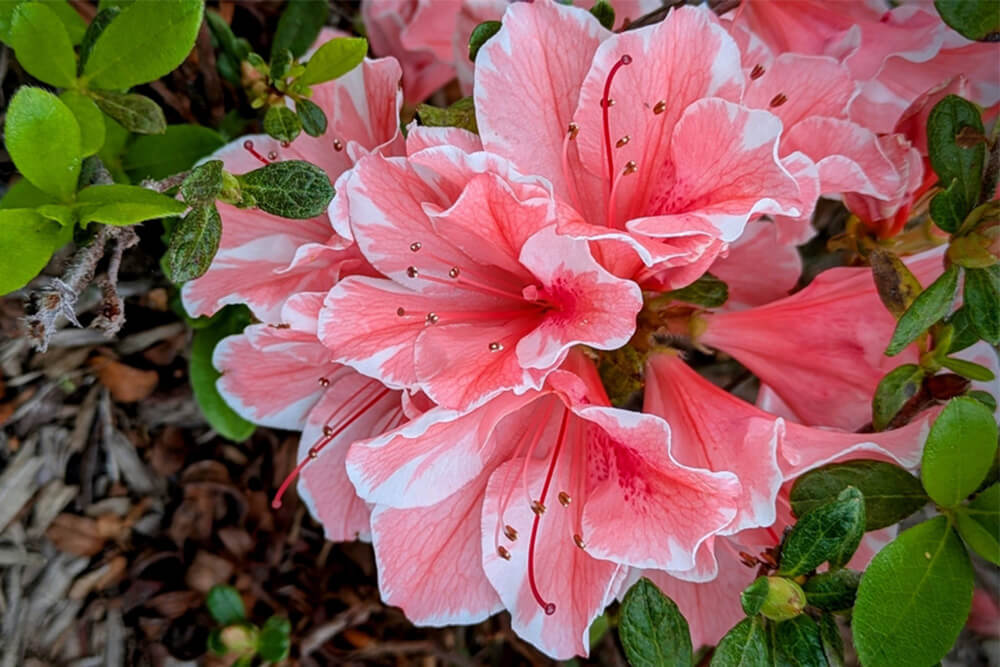
As research continues to develop on azaleas, new varieties pop up all the time! From sun-loving varieties like “Encore” and “Reblooming,” to shade-residing “Bloom-A-Thon” species, there are a number of kinds that actually bloom several times a year and greatly benefit from extra winter protection. There are giant azaleas and dwarf-sized, and a vast array of colors to choose between. Pick whichever you feel best suits your landscape, and we’re sure it will dazzle your neighbors!