
Attracting Birds to Your Backyard in 7 Easy Steps
June 12, 2026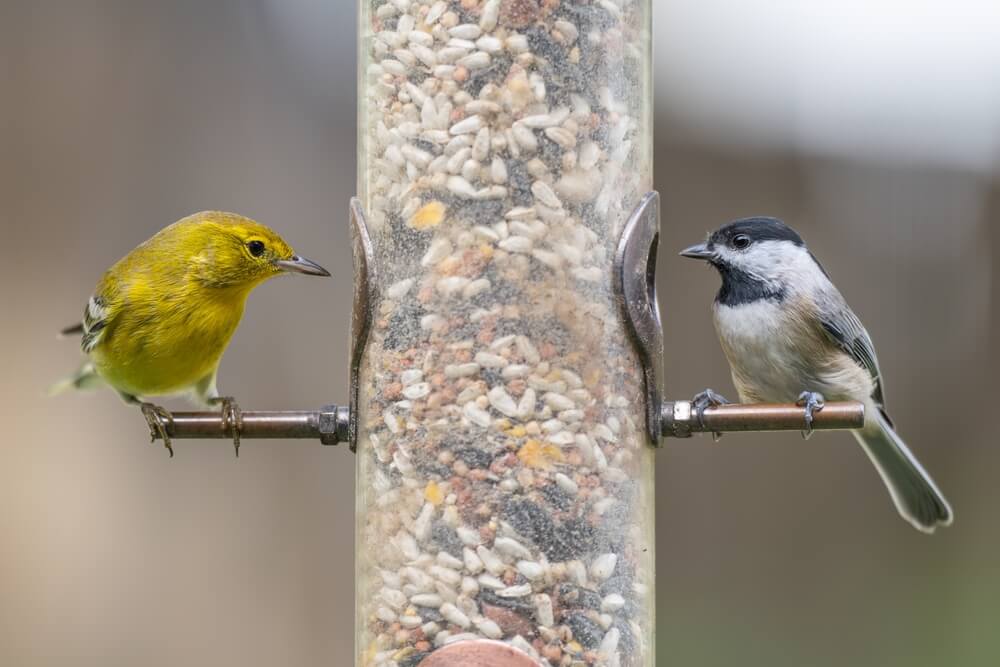
Curious how to start attracting birds to your backyard? The good news is—you don’t have to wing it (pun intended). With the right tools, you can easily fill your Central PA yard with birdsong and natural insect control. Plus, you get a fun opportunity to track just how many different bird species you welcome, including favorites like the Tufted Titmouse and the Northern Cardinal.
Building a backyard birding paradise in Lancaster County and beyond starts with the right tools:
- Bird food
- Bird feeders
- Bird baths
- Bird houses
Shop Birding Basics
Stock up on all the supplies you need to start attracting birds to your backyard at Stauffers of Kissel Hill. We have Home & Garden centers in Lancaster, Lititz, York, Dover, Mechanicsburg, Linglestown, and Hummelstown.
How Do I Attract Birds to My Backyard in Pennsylvania?
To attract Central PA birds, provide a variety of food and feeders at different heights and locations. Start with favorites like black oil sunflower seeds and suet. Make sure you have a source of water that’s heated in the winter so it doesn’t freeze over. Lastly, fill your yard with native plants to provide natural cover and nesting options.
Of course, the exact specifics depend on the type of bird you’re trying to attract! Hummingbirds need a completely different strategy than woodpeckers, which need something completely different than sparrows. But no matter what species you’re looking for, here are the basic steps to follow.
1. Choose a bird-friendly corner.
The first step for attracting backyard birds is to pick a corner of your yard to focus your efforts. Make sure there is sufficient greenery and cover nearby so that birds feel safe enough to explore. Birds can also be territorial, so remember to space out food and shelter options (but keep them within viewing distance of your house so you can enjoy the show).
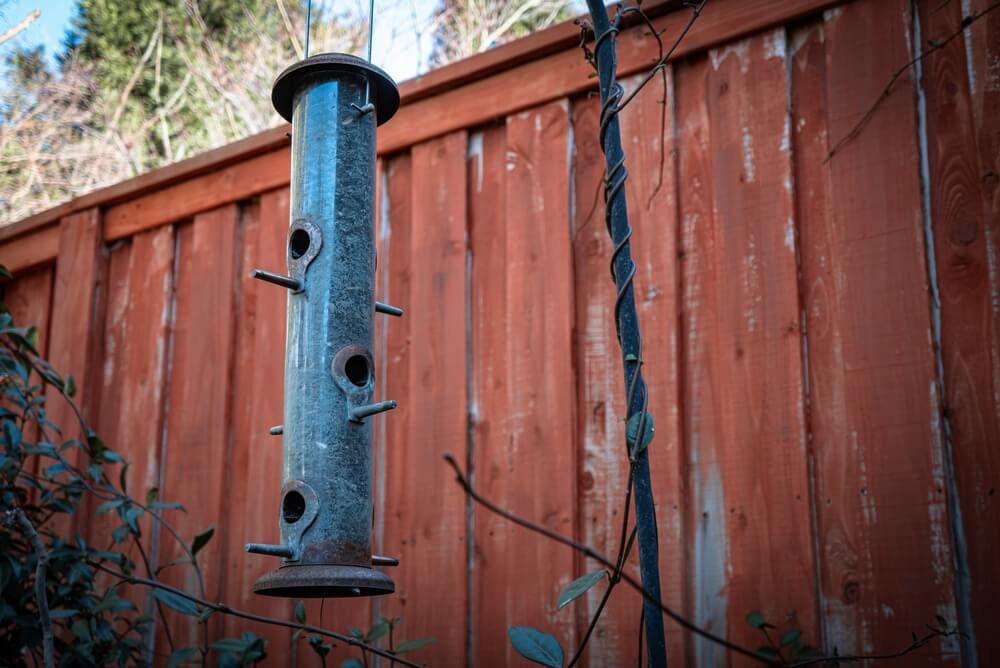
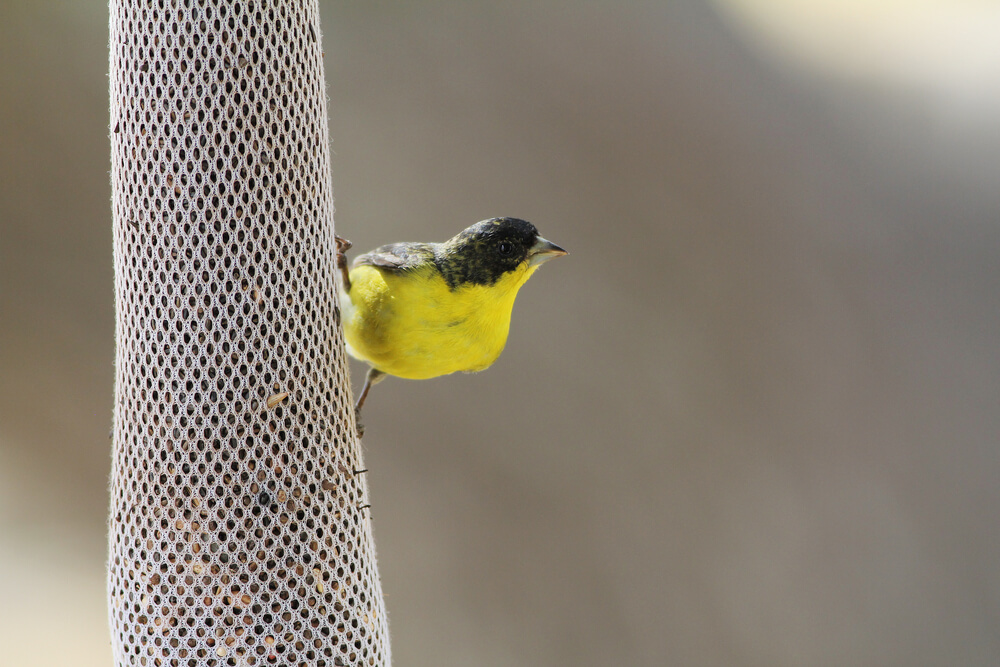
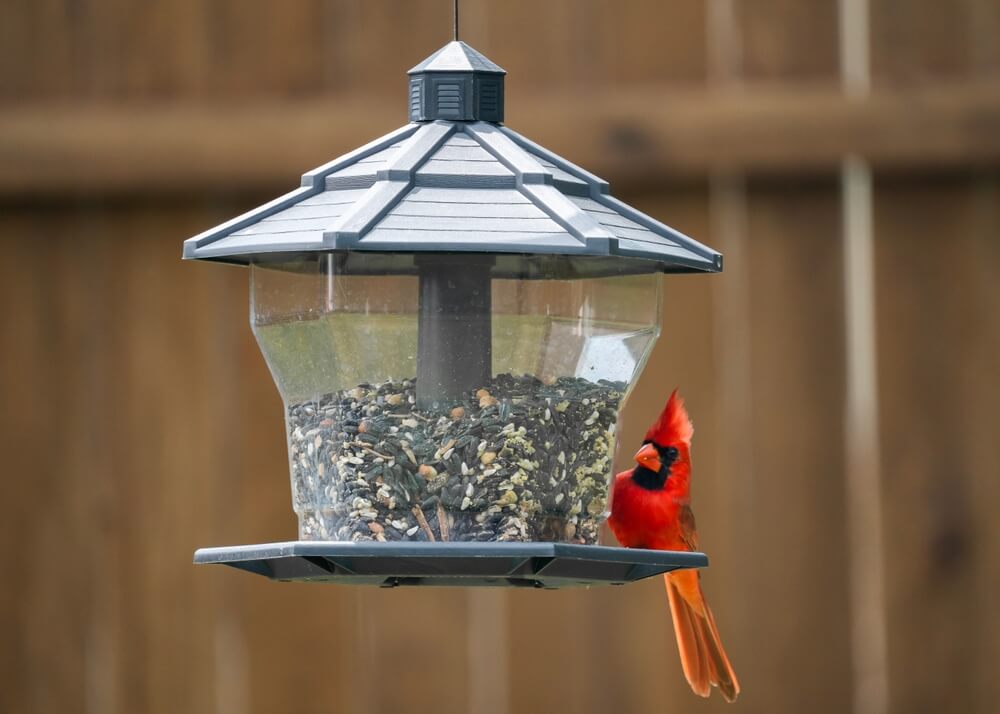
2. Hang a variety of feeders.
Just like people have their preferred mug for their morning coffee, birds can also be particular about the type of feeder they use. The best bird feeder to attract birds depends on the species you’re targeting:
- Tube feeders: Clear cylinders with various perches and feeding ports. Best for finches, sparrows, and chickadees.
- Mesh feeders: Tube feeders with mesh made specifically for Nyjer seeds. Draws in goldfinches and siskins.
- Hopper feeders: Shaped like a small house and dispenses seeds onto a tray. Enjoyed by finches, jays, sparrows, and cardinals.
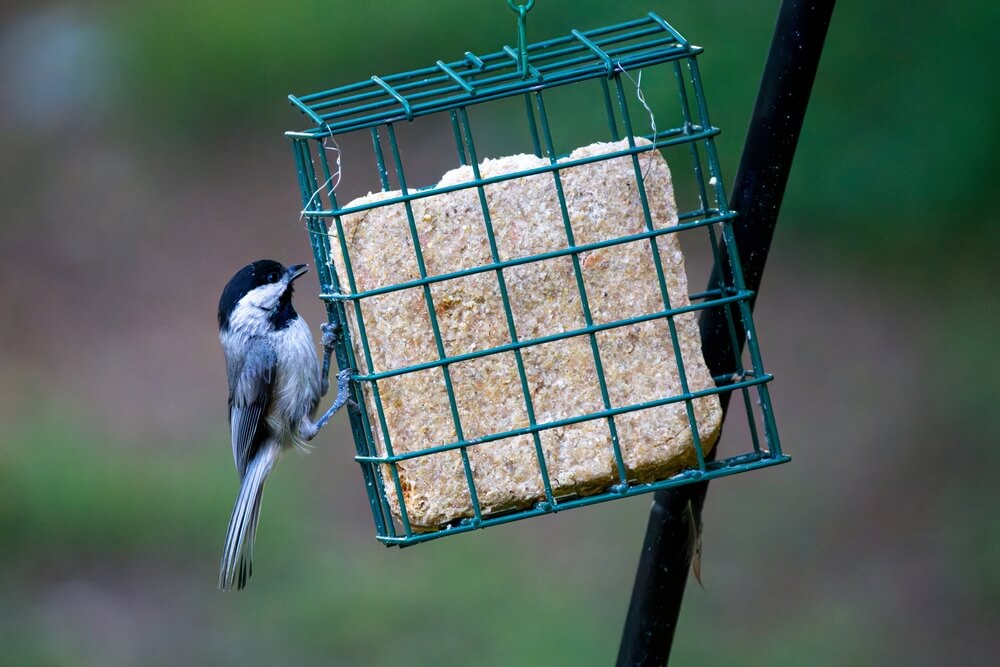
- Suet feeders: Wire cages to hold suet cakes. Attracts woodpeckers, nuthatches, wrens, and starlings.
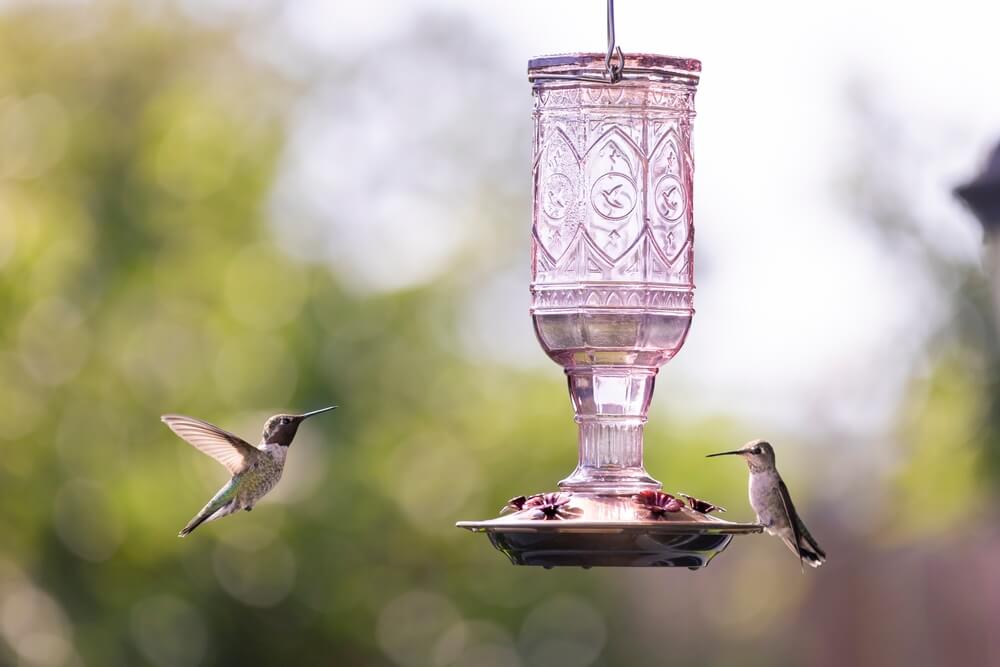
- Nectar feeders: Designed to hold sugar water with built-in ant moats and colorful feeding ports. A necessity for hummingbirds and orioles.
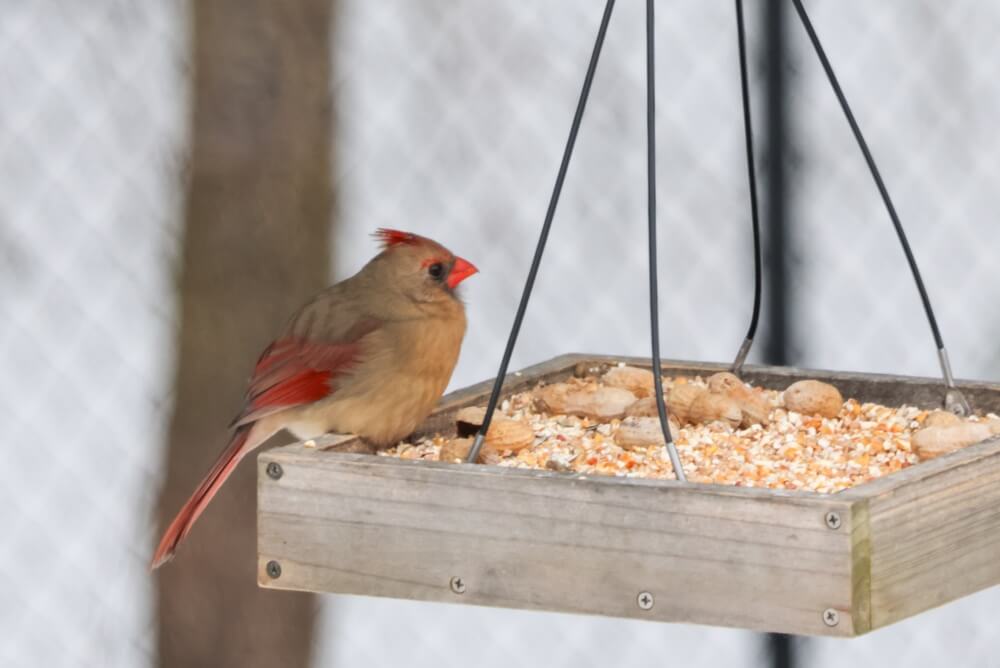
- Tray or platform feeders: Flat, open-air trays for larger birds like doves and blackbirds.
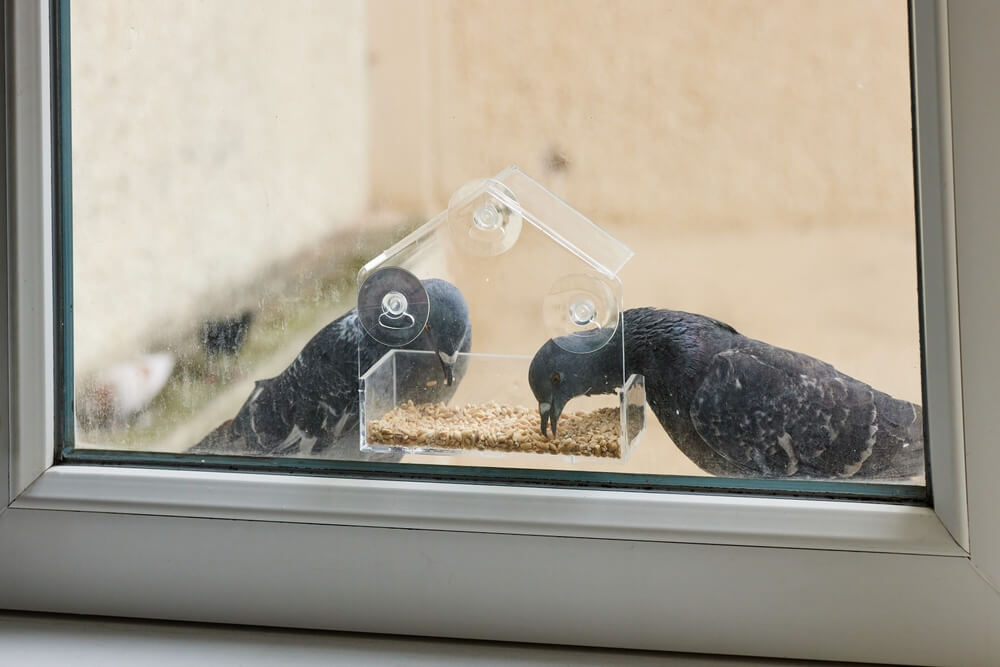
- Window feeders: Similar to a tray feeder but is attached to your window. Good for larger birds but also encourages squirrels.
Different species also prefer different feeding heights, so experiment with hanging your feeders higher or lower. While lower feeders may attract your arch nemesis—the Eastern Gray Squirrel—there are plenty of squirrel-proof feeders available to keep these critters away.
The most successful bird feeding stations are also the cleanest! Remember to clean your feeders every two weeks and keep them full for the most bird action.
3. Buy the right bird food.
The quickest way to a bird’s heart? Their stomach. Supplying the right type of bird food is key to attracting the species you want. Some seeds are loved by all, but you’ll find that each species has food preferences as well. You might prefer sweet foods over salty, and birds are the same way! They seek out certain foods to fulfill their unique nutritional needs.
There are five main types of bird feed:
- Seeds: Sunflower, safflower, Nyjer, white proso millet, milo, peanuts, and more.
- Suet: Animal fat mixed with other goodies to provide a high-energy food source for birds.
- Mealworms: Live or dried insect larvae that offer good protein.
- Fruit: Chopped berries, oranges, and apples.
- Nectar: A mix of sugar and water that mimics natural flower nectar.
Woodpeckers, blue jays, chickadees, wrens, and starlings especially love suet. It can come in either a cake or nuggets, and you can buy different blends: fruits, nuts, seeds, and even hot pepper. Birds can’t taste the spice, but it repels raccoons and squirrels.
For a birding beginner, our experts recommend black oil sunflower seeds and suet. They are both great basics that will attract a wide variety of birds. Beyond that, do your research to find mixes that attract specific species.
If you’re not sure what food to buy for your particular bird feeding station, someone at your local home and garden center should be able to help.
Chart: Best Bird Feed to Attract Birds
| Bird Feed Type | Target Bird Species | Recommended Feeder |
| Black Oil Sunflower Seeds | Cardinals, Finches, Chickadees, Nuthatches, Grosbeaks, Blue Jays, Woodpeckers, and More. | Tube, Hopper, or Tray Feeders |
| Suet Cakes/Nuggets | Woodpeckers, Nuthatches, Wrens, Chickadees, Titmice, and Jays. | Suet Baskets/Cages |
| Nyjer (Thistle) Seeds | American Goldfinches, House Finches, Purple Finches, and Siskins. Disliked by Squirrels. | Mesh (Sock) Feeders |
| Safflower | Cardinals, Chickadees, Doves, and Titmice. Disliked by Squirrels, Starlings, and Other Animals. | Hopper or Tray Feeders |
| Unsalted Peanuts (In or Out of Shell) | Blue Jays, Cardinals, Woodpeckers, Nuthatches, Chickadees, and Titmice. | Tray Feeders (In the Shell) or Tube Feeders (Out of the Shell) |
| Dried Mealworms | Bluebirds, Robins, Wrens, Chickadees, Towhees, Woodpeckers, Thrashers, and More. | Tray Feeders |
| Nectar (Sugar Water) | Hummingbirds and Orioles | Nectar Feeders |
4. Add a water source.
Attracting backyard birds means getting your hands wet. When water is available, many bird species will bathe every day to keep their feathers clean and healthy. Offering shallow bird baths (one to three inches deep) or even building a small pond in your yard will help birds stay clean and hydrated.
Birds listen for moving water, so the best bird baths to attract birds have a pump or mister that creates fresh, bubbling water. We all know Pennsylvania winters can be extreme, so you may also want to invest in a heater to keep the water from freezing. Birds bathe year-round but often struggle to find water sources in the winter, so having fresh water will make your yard a desirable destination for feathered friends.
5. Plant a bird-friendly garden.
A little landscaping can go a long way to attracting birds to your backyard. Bird-friendly plants like native flowers, shrubs, and trees are a great choice because they naturally attract wildlife in your area and strengthen your local ecosystem.
Birds are also drawn to bright colors, especially the color of their own species. Native plants are known for their colorful flowers and berries, so they can do double duty to attract birds. Most species also like dense shrubs and trees at different heights. Be sure to plant not only eye-level shrubs, but also low ground cover, small trees (under 15 feet), and taller trees (over 15 feet).
Our favorite natives to add to your yard:
- Serviceberry
- Black-Eyed Susan
- White Oak
- Eastern Red Cedar
Use this resource to find more bird-friendly plants in your area—and see what species they draw in!
6. Provide shelter and nesting options.
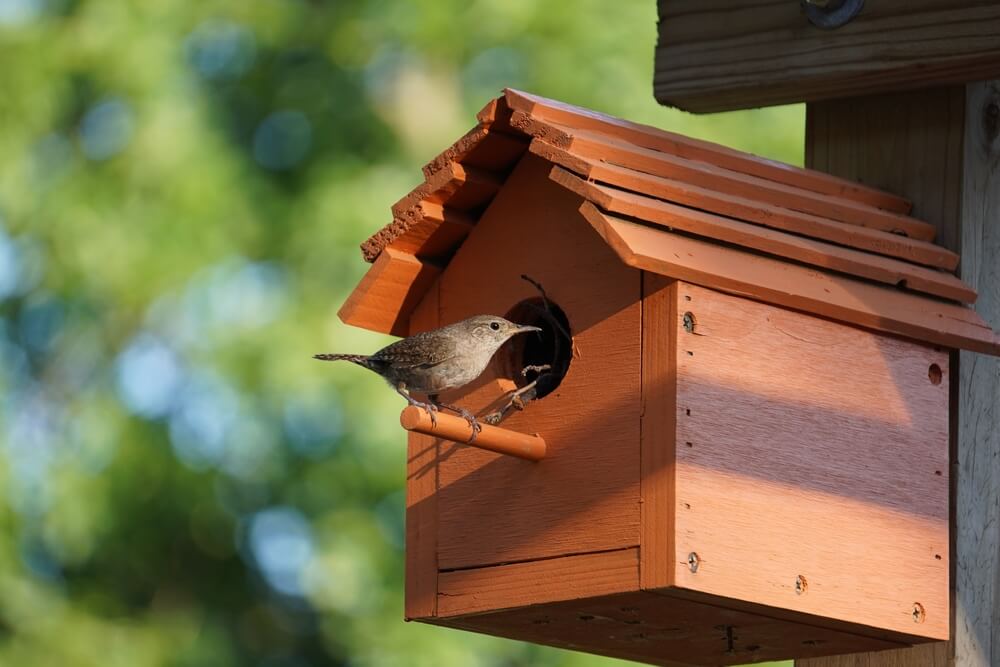
Sometimes greenery doesn’t cut it. Bluebirds, sparrows, and chickadees all like the warmth and safety of a bird house. Install it on a tree trunk or post to keep it away from ground predators. The best bird houses have an entrance hole that is only as large as the intended species. This prevents larger birds—like hawks—from getting inside.
Next up is nesting. This is how you actually get birds to stay once they arrive in your yard. Encourage birds to build nests by providing them with nesting materials. Simply fill an empty suet cage or old feeder with small pieces of organic material and hang it for birds to find. These items will naturally decompose, so they won’t litter your property.
Great nesting options include:
- Grass clippings
- Dried weeds and leaves
- Pet hair
7. Learn from your birds.
The real experts on attracting birds to your backyard are… you guessed it… the birds themselves! Every species and environment is different, so keep an eye on your yard’s birds. Notice when they visit, where they spend their time, and which foods they like best. Then you can adjust your setup over time to maximize your home’s birding potential.
Stauffers Pro Tip
Once your yard is teeming with birds, consider certifying your space as a Backyard Wildlife Habitat with the National Wildlife Federation. To make it official, you’ll need to follow the Certified Wildlife Habitat requirements:
- Three different food sources (from feeders or plants)
- One clean water source
- Two different shelter sources
- Two different nesting places
- Three sustainable practices
For the full requirements and to get your garden certified, visit the National Wildlife Federation’s website.
National Bird Feeding Month
There’s no better time to get involved in birding than National Bird Feeding Month every February! This is a difficult month for humans and birds alike. Providing food, water, and shelter during this tough time of year can make a big difference for everyone involved: the birds stay healthy, and you get to enjoy bird watching right from your kitchen.
Attracting Birds to Your Backyard: FAQs
What are the best native plants to attract birds in Central PA?
The best native plants to attract birds include a variety of flowers, shrubs, and trees to provide access to insects, fruit, and cover. Our team loves:
- Coral Honeysuckle
- Serviceberry
- Black-Eyed Susan
- White Oak
- Eastern Red Cedar
- Purple Coneflower
- Northern Spicebush
How do I keep squirrels out of my bird feeders in Pennsylvania?
To keep squirrels out of your bird feeders, start by swapping out the contents with food they don’t like. Squirrels typically avoid Nyjer or safflower seeds. You can also try capsaicin-coated bird feed—it won’t affect your birds, but the taste will deter squirrels from snacking.
If that doesn’t work, move your bird food to a squirrel-proofed feeder pole away from trees. You’d be surprised how far a squirrel can jump to reach food! Lastly, you can invest in a new, squirrel-proof feeder that you can place anywhere.
What birds can I see in my backyard during a Central PA winter?
With the right bird food out, you can see Northern Cardinals, Blue Jays, Tufted Titmice, American Goldfinches, Dark-eyed Juncos, Downy Woodpeckers, and more all throughout the winter.
Build a Backyard Birding Haven
Get all the supplies you need for attracting birds to your backyard from your local Stauffers of Kissel Hill. From birdseed to native plants to free advice from our experts, we have it all!